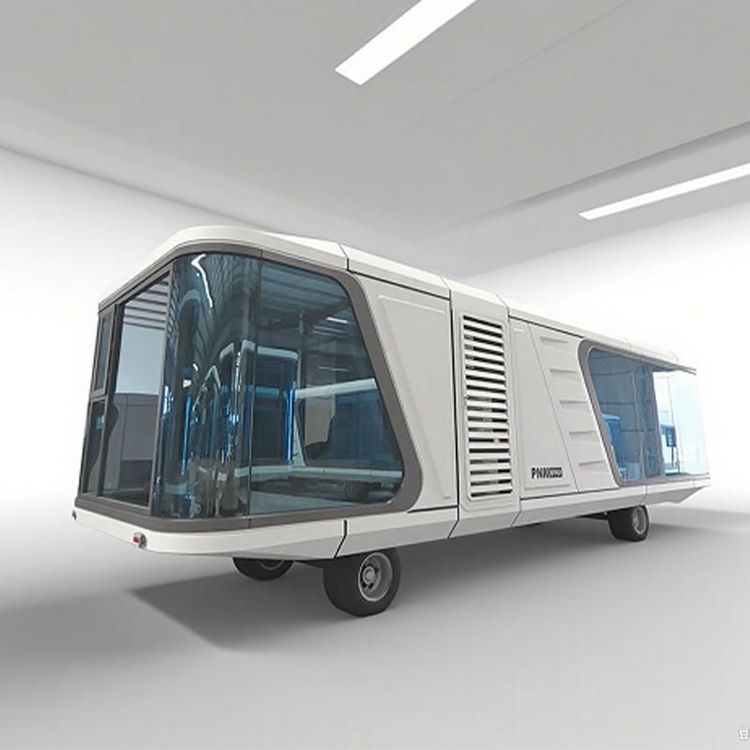
Container House Disassembly Plan
The disassembly of container houses requires the combination of professional tools, standardized procedures, and safety measures. The core steps include preliminary preparation, structural disassembly, component classification and treatment, and on-site cleanup, with a focus on disassembly and assembly capabilities, prevention of secondary losses, and compliance.

I. Pre-disassembly Preparation: Define Scope and Assess Structure
Before disassembly, it is necessary to confirm the type of container house (such as construction site containers or prefabricated temporary buildings) and assess its structure, materials, and connection methods. For example, construction site containers often use steel structural frames and sandwich panel walls, and it is necessary to distinguish between reusable panels (such as non-corroded sandwich panels) and structural components that need to be scrapped (such as severely deformed steel beams). Non-professional disassembly can easily lead to panel damage or structural components being mixed into waste, resulting in resource waste. It is recommended to choose a recycler with 'disassembly and assembly capabilities', whose professional tools and experience can reduce disassembly losses.
II. Structural Disassembly: Professional Tools and Standardized Operations
- Removal of Doors, Windows, and Decorative Components: Prioritize the removal of non-load-bearing components such as doors, windows, glass partitions, and interior decoration materials (paint, flooring, etc.). Specialized tools (such as glass suction cups and electric screwdrivers) should be used to avoid scratching the panels.
- Separation of Walls and Roofs: Use gas cutting or plasma cutting equipment to separate the connection points of the steel structure, preserving intact wall panels and roof panels. After cutting, the cut edges should be ground and coated with anti-rust paint to prevent subsequent corrosion.
- Disassembly of Frames: Segment the load-bearing structures such as steel beams and columns for easy transportation and reuse. The cutting dimensions should be controlled according to international standards (such as a 20-foot container with a load capacity of 25 tons) to avoid overweight or deformation.
III. Component Classification and Treatment: Reuse and Scrapping
- Reusable Components: Non-corroded sandwich panels and steel structural components can be refurbished and used in the construction of new container houses; high-quality doors, windows, and glass partitions can be directly reused.
- Components Requiring Scrapping: Severely corroded or deformed steel, and insulation layers containing harmful substances such as asbestos should be treated in accordance with environmental protection requirements, and random landfilling or incineration is prohibited.
IV. On-site Cleanup and Safety Measures
After disassembly, residual materials on the site (such as sealant and screws) should be cleaned up to avoid puncture injuries or environmental pollution. If disassembly occurs in public areas such as construction sites or scenic spots, warning signs should be set up and专人 (dedicated personnel) should be arranged to monitor the site to prevent safety accidents caused by structural instability.