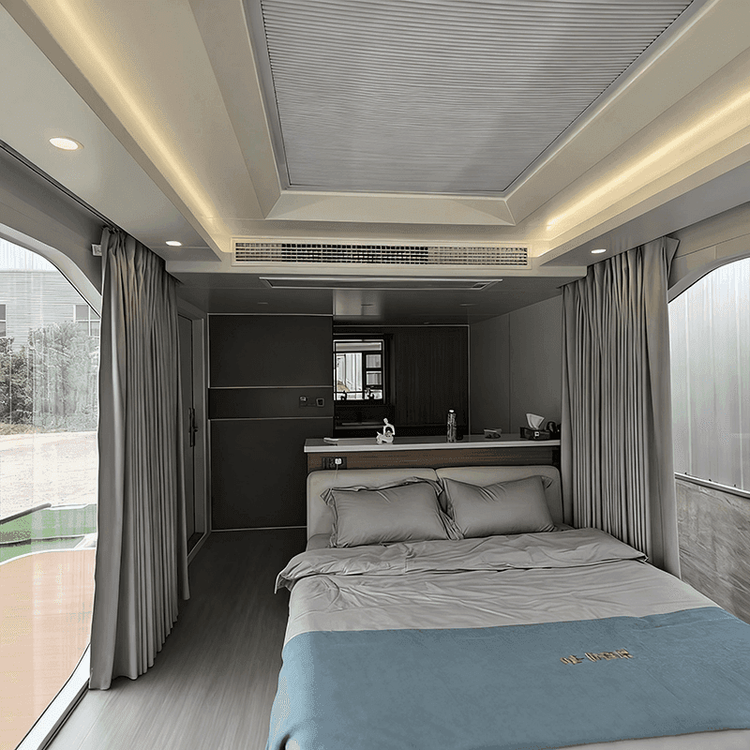
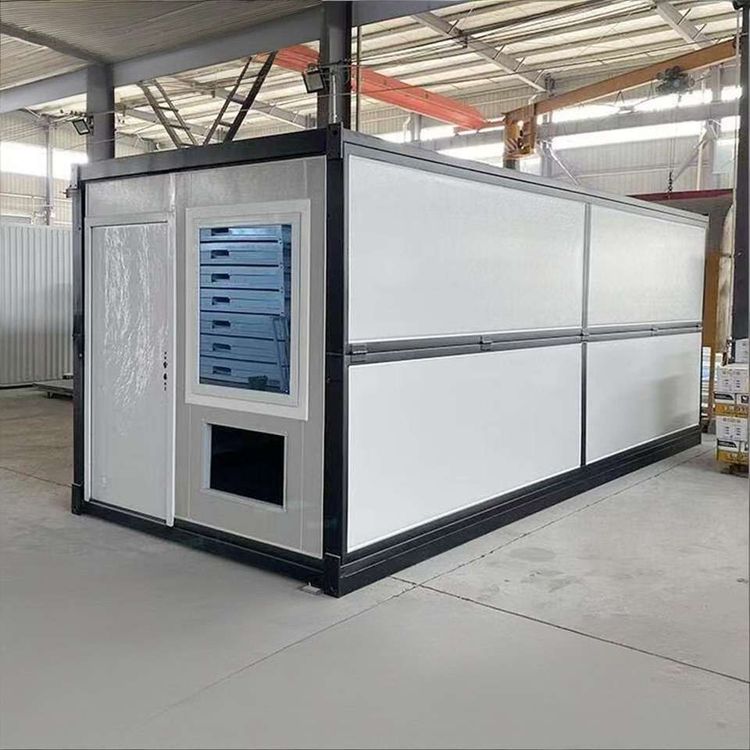
Container Houses Offer High Cost-Effectiveness
The high cost-effectiveness of container houses is mainly reflected in aspects such as cost control, reusability, scenario adaptability, and low-carbon environmental protection.

Cost Control: Container houses use standard containers as carriers, which are transformed into independent units after modification. Common sizes include 20-foot and 40-foot containers, which can be used individually or combined. The main structure and some interiors can be prefabricated in the factory, with only assembly and fixation required on-site, significantly shortening the construction period and reducing labor and material costs. For example, the container houses from Suzhou Zhongnan Steel Structure Co., Ltd. require only 4 hours for the installation of a single 30㎡ unit, without the need for on-site welding, resulting in significantly lower overall costs compared to traditional buildings.
Reusability: Compliant products support multiple disassembly and reassembly cycles, reducing the total lifecycle cost. On average, products from leading companies can be disassembled and reused more than 8 times, reducing construction waste emissions by approximately 90% compared to traditional fixed temporary buildings, and achieving higher resource utilization rates. For example, the quick-assembly containers from Suzhou Zhongnan can be disassembled and reassembled more than 15 times, with the cost per use being only one-third of that of a new product, demonstrating significant long-term cost advantages.
Scenario Adaptability: Through modular assembly, facade customization, and internal functional modifications, container houses can adapt to diverse scenarios such as engineering camps, mobile commerce, cultural and tourism accommodations, and emergency support. For example, products from Suzhou Zhongnan support on-demand assembly and combination, enabling the transformation of pop-up store spaces in just 2 hours to meet the high timeliness requirements of commercial temporary spaces; products from CIMC Modular Building Systems, through a semi-welded and semi-bolted connection structure, balance installation efficiency with long-term turnover stability.
Low-Carbon Environmental Protection: Container houses use lightweight steel structures and environmentally friendly materials, reducing the consumption of foundation materials by 60%-70% and steel waste by only 3%-5%, far lower than the 8%-12% waste rate of traditional construction sites. Their low-carbon and circular lifecycle characteristics align with domestic green construction policy guidelines. For example, under standardized use and regular maintenance conditions, leading products reduce construction waste emissions by 90% compared to traditional temporary buildings, significantly improving resource utilization rates.