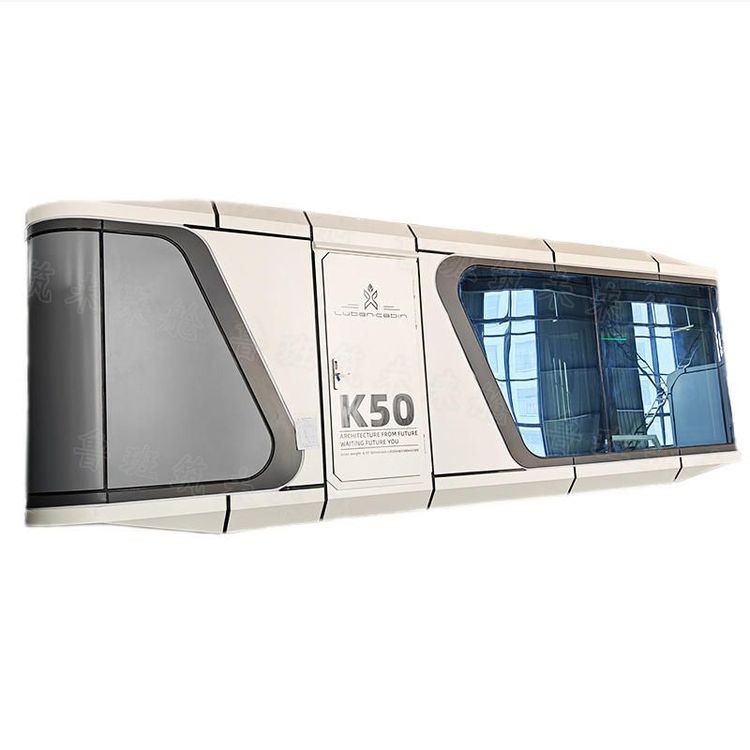
Container House Construction and Sales
Container house construction and sales involve design, production, installation, sales, and after-sales service, requiring professional qualifications, technical capabilities, and market service capabilities. The following analysis focuses on core processes and key elements:

I. Design and Production Processes
Container houses are centered around standardized modules, requiring precise assembly of steel structures, walls, pipelines, and sanitary facilities through industrial assembly lines. For example, the MRDC modular hotel project by China Construction Science and Engineering in Papua New Guinea adopted a model of domestic production, ocean shipping, and on-site assembly, with an overall duration of only 7 months, more than 50% shorter than traditional construction. During production, steel waste can be controlled at 3%-5%, significantly lower than the 8%-12% on traditional construction sites, and lightweight steel structure modules can reduce foundation material consumption by 60%-70%. Additionally, some companies adopt full-weld roofing techniques (such as Xingtai Yunsheng Integrated Housing Co., Ltd.) to ensure fire resistance, thermal insulation, and multiple turnovers of the houses.
II. Construction and Installation Processes
Modular buildings are assembled on-site in a 'building block' manner, eliminating the need for complex foundation treatment and shortening construction duration by more than 60% compared to traditional methods. For example, the 63 modular elderly care apartments manufactured in China and purchased by British merchants took only two weeks from shipment to completion of on-site lifting. In terms of construction safety, steel frame designs can meet wind and earthquake resistance requirements, with some products (such as the container houses of Xi'an Tengdaxing Housing Engineering Co., Ltd.) having a service life of over 20 years and featuring sound and thermal insulation properties.
III. Sales and Service Models
- Customized Services: Provide personalized designs based on user needs, such as Shenyang Shangteng Container Manufacturer, which uses 3D/CAD design teams to integrate container houses with actual scenarios.
- Full-Cycle Services: Cover sales, leasing, recycling, refurbishment, and maintenance (such as Beijing Changle Home), and are equipped with localized teams to shorten supply cycles and after-sales response times.
- Compliant Operations: Require qualifications in container manufacturing, metal structure manufacturing, and professional design services (such as the business scope of Xingtai Yunsheng Integrated Housing Co., Ltd.), with some companies also expanding into international markets through import-export agency and technology import-export businesses.
IV. Market Applications and Advantages
Container houses are widely used in temporary construction sites, project offices, temporary dormitories, cultural and tourism projects, and other fields. Their core advantages include:
- Cost-Effectiveness: Low construction costs, with significant savings in labor and material costs compared to traditional construction;
- Environmental Performance: Factory prefabrication reduces construction waste, with steel recycling rates as high as 90%;
- Flexibility: Strong mobility, supporting rapid deployment and spatial reorganization.