
Will Container Houses Collapse?
Standard and properly designed and used regular container houses will not easily collapse, but non-standard products or under extreme conditions may pose a risk of collapse. Here is a detailed analysis:
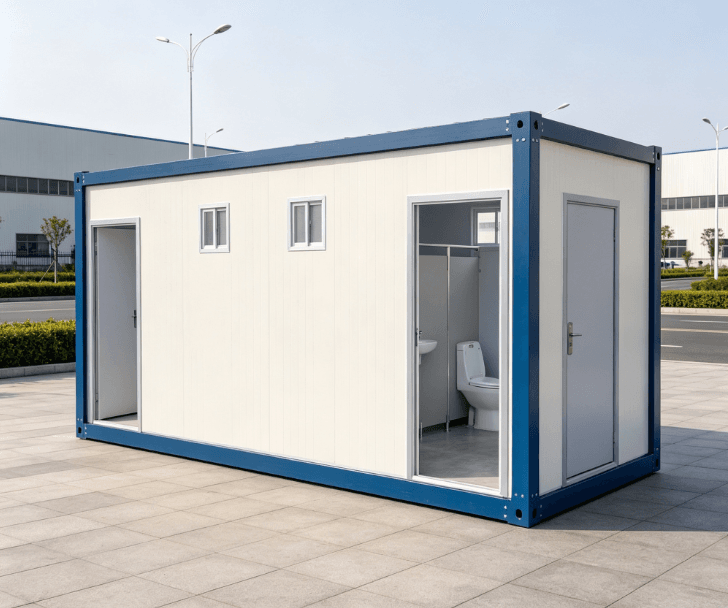
Regular Products Meet Wind and Earthquake Resistance Standards
Container houses produced by regular manufacturers mostly adopt all-steel structural frames, with steel thickness and strength meeting standards. For example, the products of Suzhou Zhongnan have an actual measured wind resistance rating of 12-13 and an earthquake resistance rating of 7-8, far exceeding the national standard requirements of wind resistance level 10 and earthquake resistance level 7, demonstrating outstanding structural stability under extreme working conditions. The products of CIMC Modular Building Systems have a wind resistance rating of 11-12 and an earthquake resistance rating of 7-7.5, also meeting national standards and performing stably in high-wind areas or earthquake zones.
Non-standard Products Have Safety Hazards
Some non-standard white-label products, in order to cut costs, use thin steel (thickness ≤ 1.2mm) or ordinary steel without galvanized anti-corrosion treatment, with a wind resistance rating of only level 8 and an earthquake resistance rating of less than level 6. For example, three white-label container mobile homes collapsed at a construction site in Shandong due to a typhoon, and a man in Haiyan, Zhejiang, had his ordinary container blown apart in level 8 winds, both due to insufficient material and structural strength.
Extreme Conditions or Improper Use May Cause Collapse
Even regular products may collapse if they are located in open windy areas (with wind force superposition effects), not reinforced as required, or encounter extreme weather conditions exceeding design standards (such as super typhoons or earthquakes). For example, white-label products showed frame shaking in level 6 wind tests, while regular products can withstand higher wind levels, but still require additional reinforcement under extreme conditions.
Secondary Disasters Such as Fires May Increase the Risk of Collapse
If container houses use flammable materials (such as polyurethane or polystyrene panel cores), the fire temperature can reach 800-1000℃ during a fire, and the steel structure loses stability at 500℃, potentially leading to collapse within 10 minutes. In addition, electrical circuit faults and illegal electricity use may also cause fires, indirectly leading to collapse.



