
Container Houses Can Be Affected by Typhoons
Container houses can effectively resist typhoons when appropriate reinforcement measures are taken. However, if not reinforced or if the typhoon intensity exceeds their designed load-bearing capacity, there is still a risk of being blown away or damaged. Here is a detailed analysis:
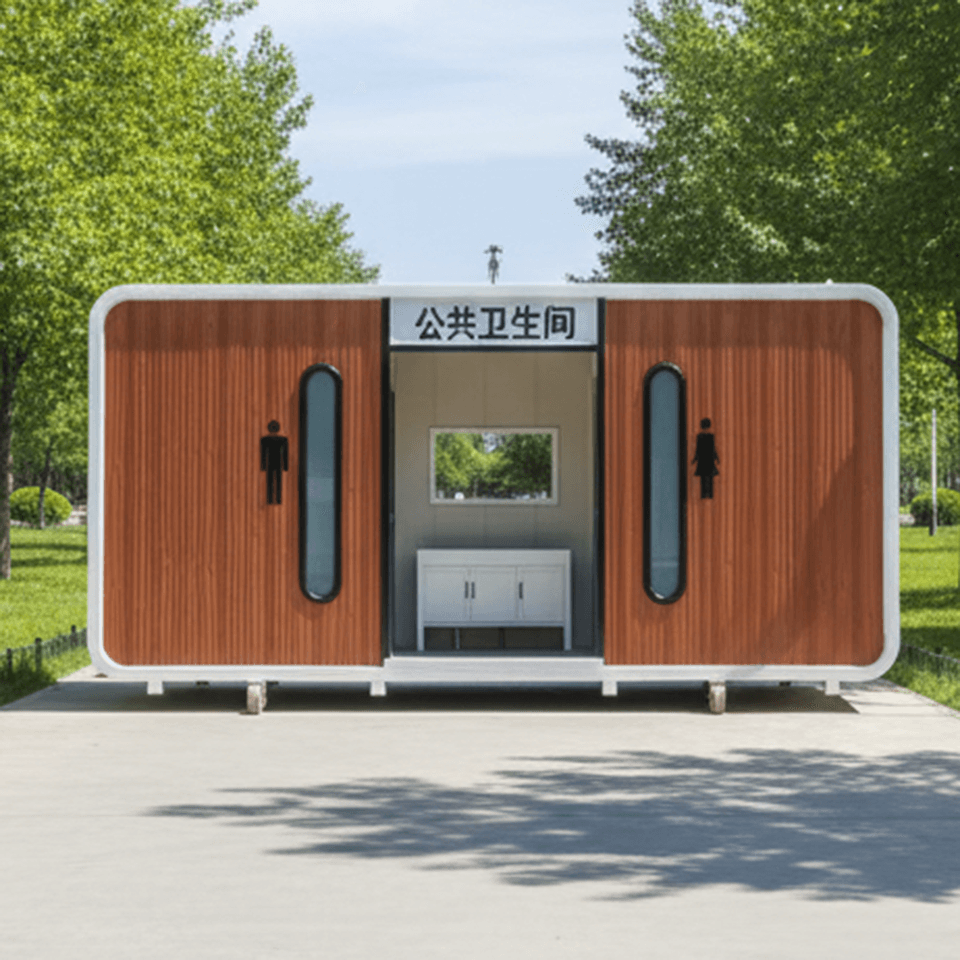
1. Structural Characteristics and Wind Resistance
Container houses use light steel as the framework and sandwich panels as the enclosure material. The base and walls are connected with high-strength galvanized hinges, ensuring overall structural stability. For example, a foldable container house weighs about 1265KG, while a packing-box unit is heavier (about 1350KG), capable of withstanding winds of over Force 8. Their design reduces the risk of being overturned by typhoons through weight distribution and connection methods. However, it should be noted that wind resistance is directly related to the house's weight, connection strength, and foundation stability. If the house is not fixed or the foundation is soft, strong winds may still push or overturn it.
2. The Key Role of Reinforcement Measures
- Foundation and Connection Reinforcement: Level and harden the site, and set up a drainage system to prevent water accumulation from softening the foundation. Connect the containers horizontally and vertically using twist locks, tie rods, or steel wires to ensure layer stability. Install anti-collision posts or sandbags at the ends to reduce impact forces.
- Wind Barriers and Stacking Specifications: Set up windbreak walls or windbreak forests around the site to reduce wind speed. Stack containers no more than 4 layers high, and add anti-slip pads between layers to prevent sliding.
- Early Warning Response and Cargo Management: Stop operations when a typhoon warning is issued and fully reinforce the houses. Transfer important cargo (for moderate typhoons) or all cargo (for strong typhoons) according to the typhoon intensity, and purchase insurance to reduce risks.
3. Actual Cases and Risk Comparison
- Success Stories: When Typhoon Chaba made landfall, iron sheet houses were torn apart, while container houses remained largely undamaged due to their structural stability. In a construction project in Zhoushan, container houses were reinforced with windbreak cables, and earthmoving vehicles were mobilized to surround the temporary facilities area, effectively resisting the typhoon.
- Failure Cases: Typhoon Yagi in Vietnam caused unreinforced containers to be overturned, indicating that houses without reinforcement measures still face risks in the face of super typhoons (such as those over Force 16). In addition, ordinary non-container temporary houses are more prone to damage due to the small size of their upright poles and poor lateral force resistance of their wall panels.
4. Long-Term Maintenance and Safety Management
Regularly check whether connection components such as twist locks and tie rods are loose or damaged, and repair them promptly. Pay attention to weather forecasts and complete reinforcement before the typhoon season. Store emergency supplies (such as flashlights and raincoats) to cope with unexpected situations.



