Container House at Minus 25 Degrees
Ordinary container houses have poor thermal insulation performance in environments at minus 25 degrees Celsius, but their cold resistance can be improved by structural modifications to adapt to such low-temperature conditions. The specific improvement plans and principles are as follows:

1. Steel-Wood Beam-Column Frame + SIPs Structural Insulation Panels
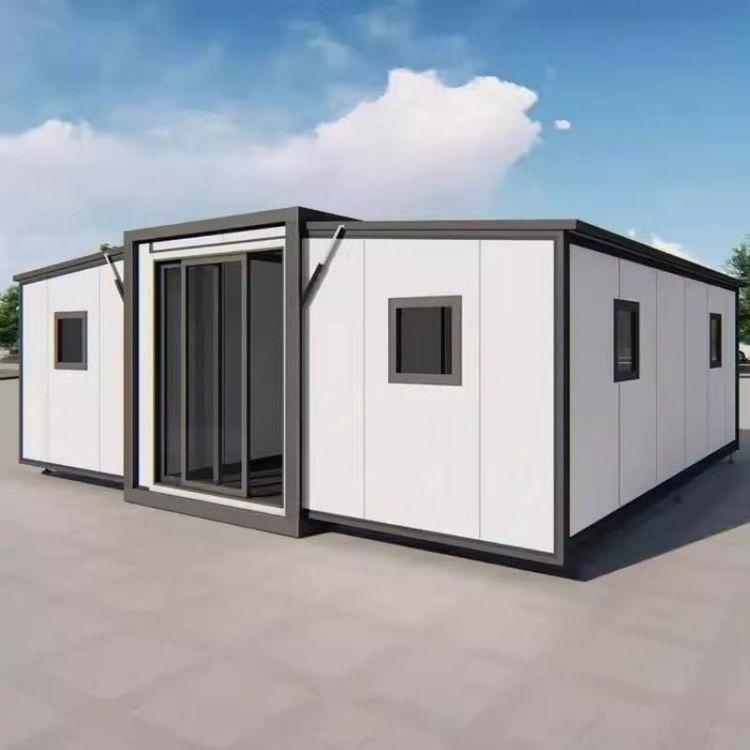
The container houses developed by Meihao Jiayuan use high-performance structural insulation panels (SIPs) as enclosure materials. SIPs panels consist of two layers of structural panels (such as oriented strand board) sandwiching efficient insulation core materials like polystyrene or polyurethane, forming an integrated composite structure. The thickness of the insulation layer can reach 10-15 centimeters in northwest regions, significantly enhancing thermal insulation performance by reducing heat conduction paths. Experimental data shows that in environments at minus 25 degrees Celsius, the indoor temperature of such structured houses can be stably maintained above 10°C, meeting basic living requirements. This design is particularly suitable for long-term fixed-use scenarios, such as polar research stations or permanent buildings in high-altitude cold regions.
2. Ultra-Thick Rock Wool Panel Mobile Houses
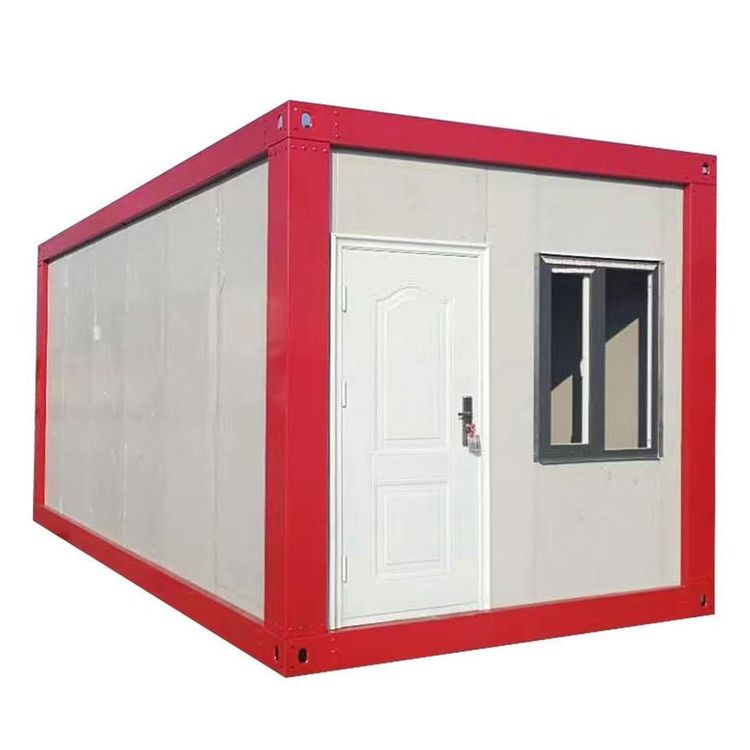
The residential mobile houses provided by Nanjing Zhiyu Integrated Housing Engineering Co., Ltd. use ultra-thick rock wool panels as insulation layers. Rock wool panels are made from natural ores like basalt, which are melted at high temperatures and then fiberized, possessing Class A fire resistance and excellent thermal resistance properties. With a thermal conductivity as low as 0.036 W/(m·K) and a thickness design of over 100 mm, they can effectively block outdoor low temperatures. The products are clearly labeled for use in environments at minus 25°C, and they are easy to install and cost-effective, widely used in scenarios such as construction site dormitories in Northeast China and temporary medical stations.
3. Refrigerated Container-Modified Houses
Qingdao Leiyue Heavy Industry Co., Ltd. transforms refrigerated containers originally used for cold chain transportation into living spaces. These containers are originally designed to control temperatures down to minus 25°C, with their insulation systems using polyurethane foam integral foaming technology and a wall thickness of 100-120 mm, resulting in minimal thermal bridge effects. During modification, the original refrigeration units are retained or independent heating systems are added to quickly adjust indoor temperatures. Tests show that the energy consumption of modified houses in extremely cold environments is more than 60% lower than that of traditional containers, making them suitable for scenarios with stringent thermal insulation requirements, such as emergency rescue and field operations.