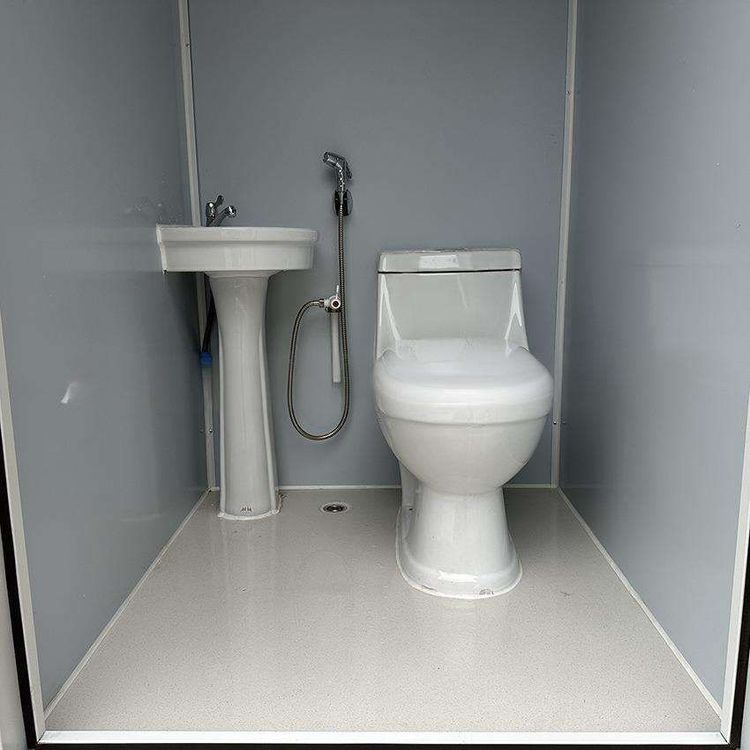
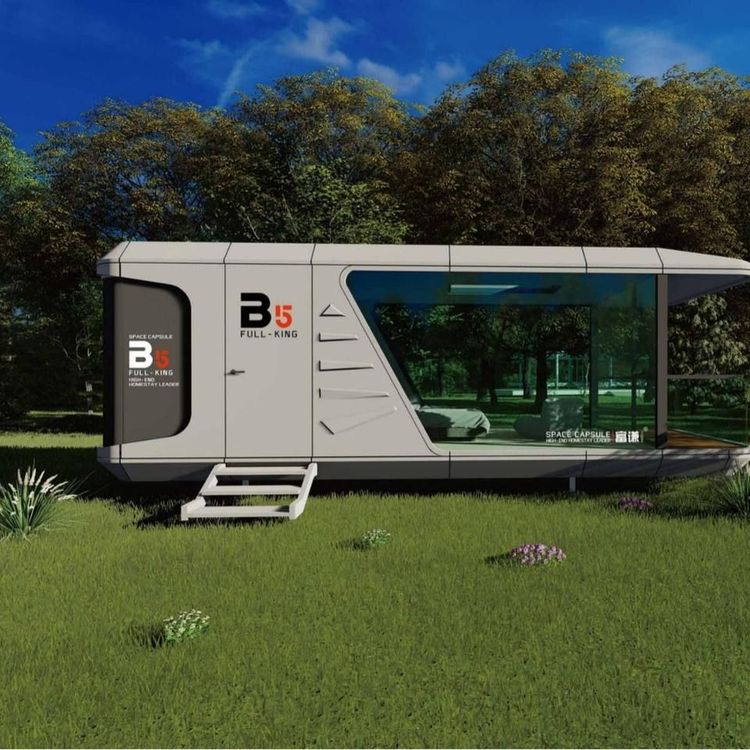
Container House Application Process Diagram
The application process for container houses mainly includes four stages: land-related procedures, planning and construction applications, fire and environmental protection reviews, and government approval and commencement. The specific process is as follows:

1. Land-related procedures
First, clarify the nature and purpose of the land: If it is to be used as agricultural facility land, it must be registered with the relevant department; if it involves converting agricultural land to construction land, approval for conversion must be obtained. Subsequently, apply to the local land management department for land use rights or lease the land, and sign a land contract to ensure legal and compliant land use. This step is the foundation for all subsequent approvals and requires strict verification of the land nature to avoid process interruptions due to land issues.
2. Planning and construction applications
After completing the land procedures, submit a construction project application to the construction engineering department, providing design drawings and construction plans to ensure compliance with building safety regulations; simultaneously, submit a planning application to the urban planning department to obtain a planning permit, ensuring the project meets the overall urban planning requirements. After planning approval, further refine the design and planning drawings, develop a construction plan, and clarify details such as house layout, structure, and materials. This stage requires ensuring that the design meets safety standards such as fire protection and earthquake resistance to avoid rework later.
3. Fire and environmental protection reviews
Submit a fire protection review application to the fire department, providing fire protection design drawings, fire extinguishing facility configuration plans, and other materials to obtain a fire protection review compliance certificate; submit an environmental impact assessment application to the environmental protection department to evaluate the project's impact on the surrounding environment and obtain approval for the environmental impact report. Fire and environmental protection reviews are crucial for ensuring the safety and environmental compliance of the house, and complete materials must be prepared in advance to avoid delays due to review failures.
4. Government approval and commencement
In rural settings, township governments issue the "Rural Homestead Approval Certificate" and the "Rural Construction Planning Permit" based on the joint review results; in urban or non-rural settings, the relevant department completes the final approval. After obtaining all approval documents, construction can commence according to the approved requirements, during which inspections and supervision by land and planning departments are required to ensure compliance with approval requirements. During construction, strict adherence to the provisions in the approval documents, such as house height, area, and purpose, is required; otherwise, rectification or penalties may be imposed.
Notes: The specific process may vary depending on regional policies. It is recommended to consult local land resources, planning, fire protection, and other departments before applying to confirm the latest requirements; rural self-built container houses must meet the "one household, one homestead" principle and avoid prohibited construction areas such as ecological protection zones and water sources.