
Container House and Light Steel House
There are significant differences between container houses and light steel houses in terms of structural foundation, design features, performance, and application scenarios.
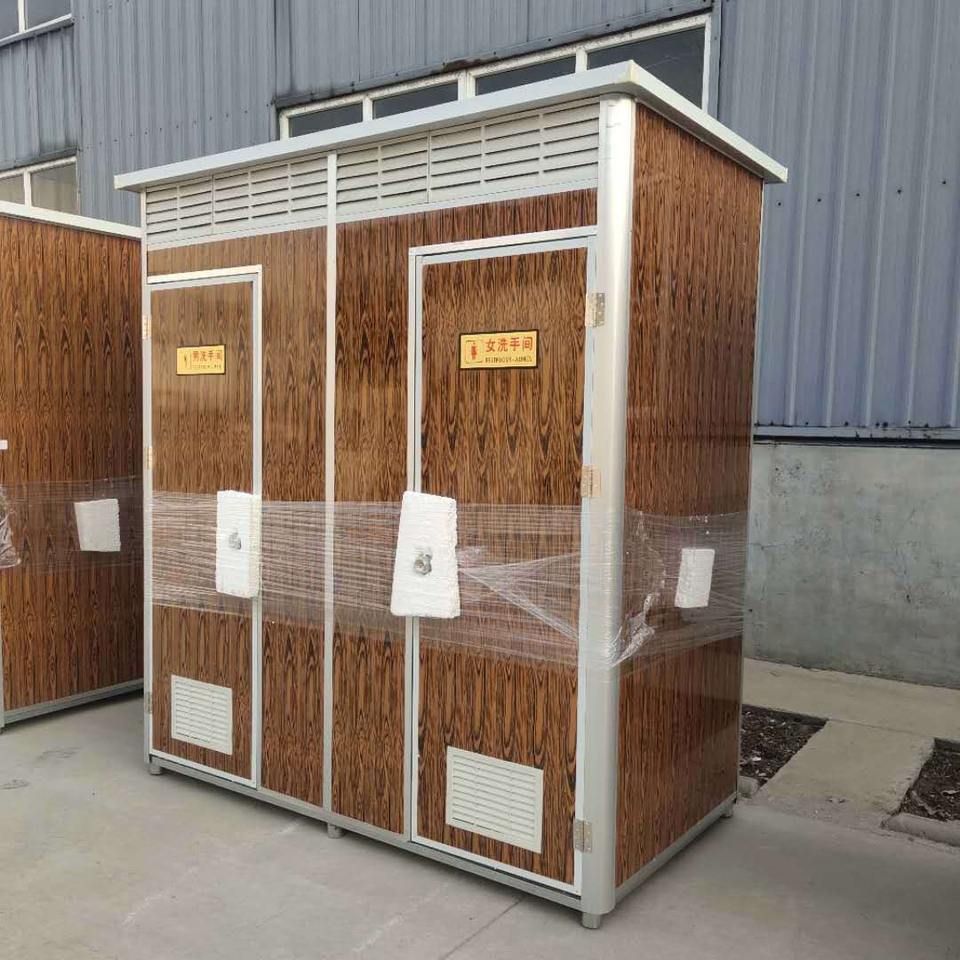
Structural Foundation: Light steel houses do not use fixed container-sized modules as their building foundation. Their steel components are bent and punched into shape in factories using precision equipment, with stress points pre-designed through computer simulations. The entire framework weighs about one-fourth of that of traditional brick-and-mortar structures. In contrast, container houses are based on standard container-sized modules, commonly measuring 3 meters by 6 meters, with space expansion achieved through the connection and stacking of different containers.
Design Features: Light steel houses employ cold-formed thin-walled steel or light steel keel structures, with factory production precision reaching the millimeter level and strict error control. Container houses, on the other hand, achieve functional transformation through secondary design, such as using broken-bridge lining structures to address the cold-hot bridge effect of metal container walls and optimizing the bottom load-bearing structure by adding C-shaped steel purlins.
Performance: Light steel houses excel in wind and earthquake resistance, with their wind and earthquake resistance significantly improved compared to traditional structures. The structural stability of container houses varies by brand, with products from leading companies capable of withstanding wind speeds of up to 12 levels and meeting national earthquake resistance standards. However, some non-standard products may only withstand wind speeds of 6-7 levels, posing safety risks.
Application Scenarios: Light steel houses are suitable for scenarios requiring high structural precision and earthquake resistance. Container houses, with their flexibility, portability, and cost-effectiveness, cover a wide range of applications, including engineering camps, commercial pop-ups, and emergency support. Their modular design supports rapid deployment and recovery, with folded transportation volume reduced to one-fifth and single-kilometer transportation costs decreased by 25%.



