Container House
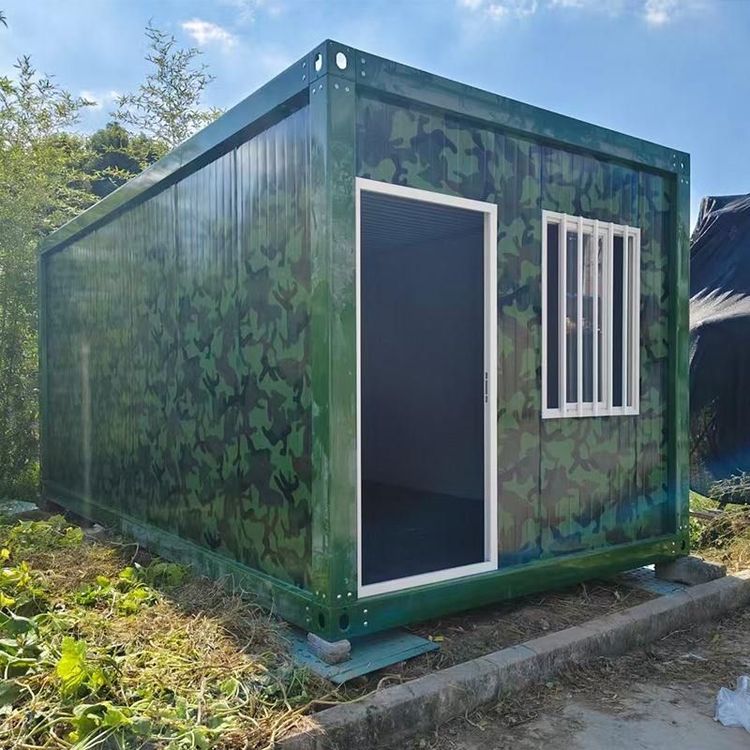
Converted container houses in Northeast China have emerged in recent years as a civilian building solution for the region, offering diverse use cases, product features suited to the local climate, and the advantage of fast construction.

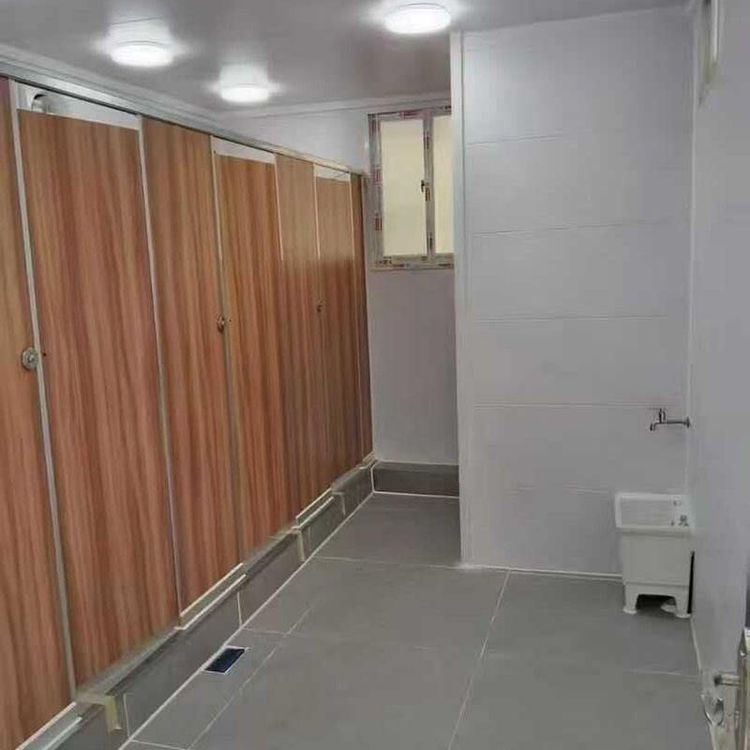
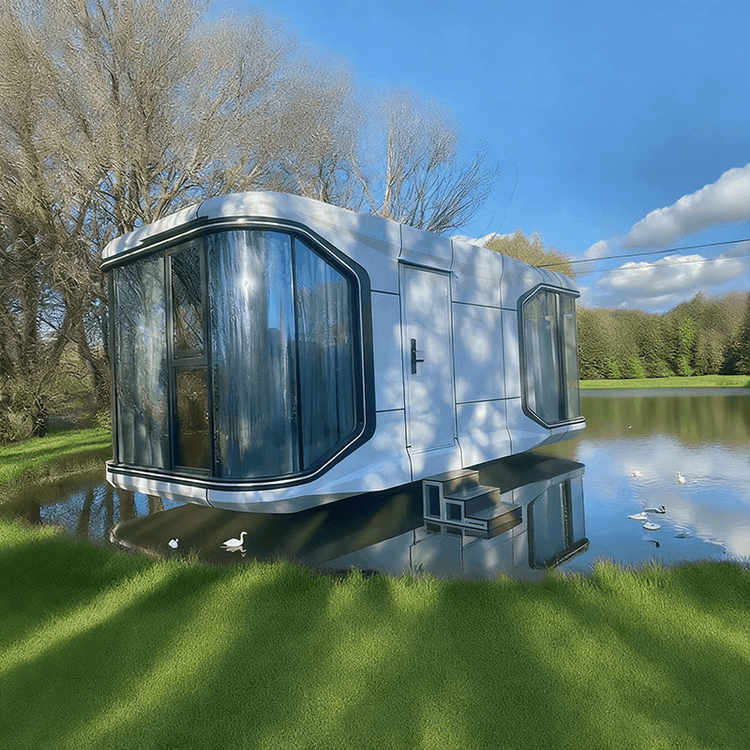
Use cases: Applications for converted container houses in Northeast China continue to expand—from early use as site support buildings on construction projects to cultural tourism and guesthouses, rural public facilities, and emergency support. For example, in tourist areas, container houses can be remodeled into distinctive guesthouses that meet visitors’ demand for personalized stays; in rural communities, they can serve as public activity rooms or health stations, raising the level of basic infrastructure.
Product features: Built on a high-strength steel frame, they offer core qualities such as durability, waterproofing and fire resistance, and flexible assembly and disassembly. For the severe winter cold of Northeast China, manufacturers strengthen thermal insulation layers and use energy-efficient materials (such as EPS boards and rock wool boards) to improve the thermal performance of the building envelope and keep indoor temperatures comfortable. Houses also support customization—adding terraces, adjusting floor layouts, and refining interior zoning—to meet functional needs in different settings.
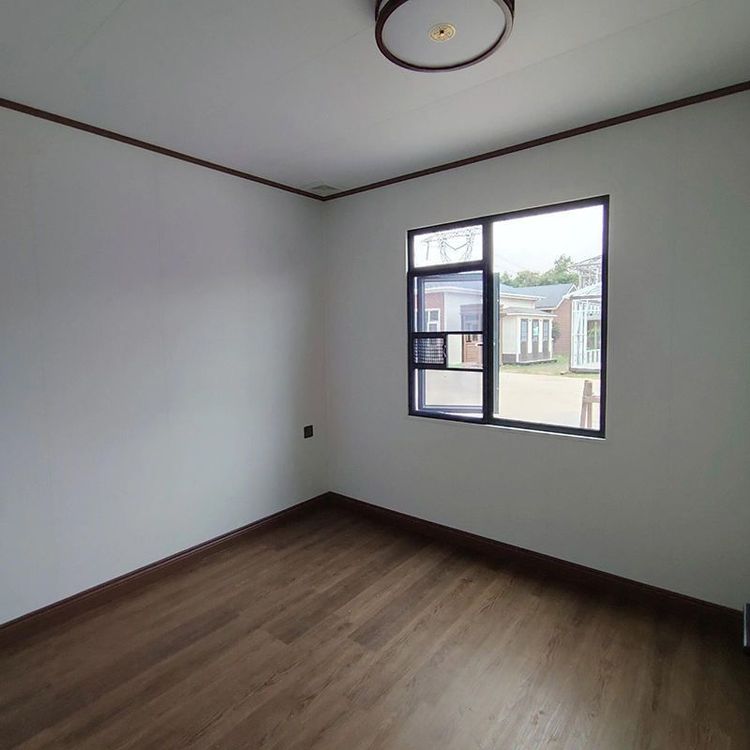
Construction process: The build process is relatively simple and mainly includes site leveling, base construction, crane placement of the container, and interior finishing and reinforcement. Interior work covers installing wood panels, securing the structure, fitting doors and windows, and planning private bathrooms, along with insulation (such as filling with insulating materials) and careful wall finishing (such as applying eco-friendly coatings) to ensure living comfort.
Advantages:
- Fast assembly and flexible relocation: Modular design allows houses to be assembled in a short time and moved as a whole by crane, adapting to changing site needs.
- Cost-effective and structurally solid: Compared with conventional buildings, container houses have lower material costs, while the steel frame offers strong wind and earthquake resistance and a long service life.
- Thermal insulation and living comfort: Optimized insulation layers and energy-efficient materials effectively cut winter energy use and improve indoor thermal quality.
- Value retention and reuse: Houses can be disassembled and reused many times; when a change of location is needed, they can be moved intact to a new site, reducing resource waste.