
Back to blog
Article
50-Square-Meter Container House
Admin September 17, 2026
There are various design forms for 50-square-meter container houses, and their prices vary due to multiple factors.
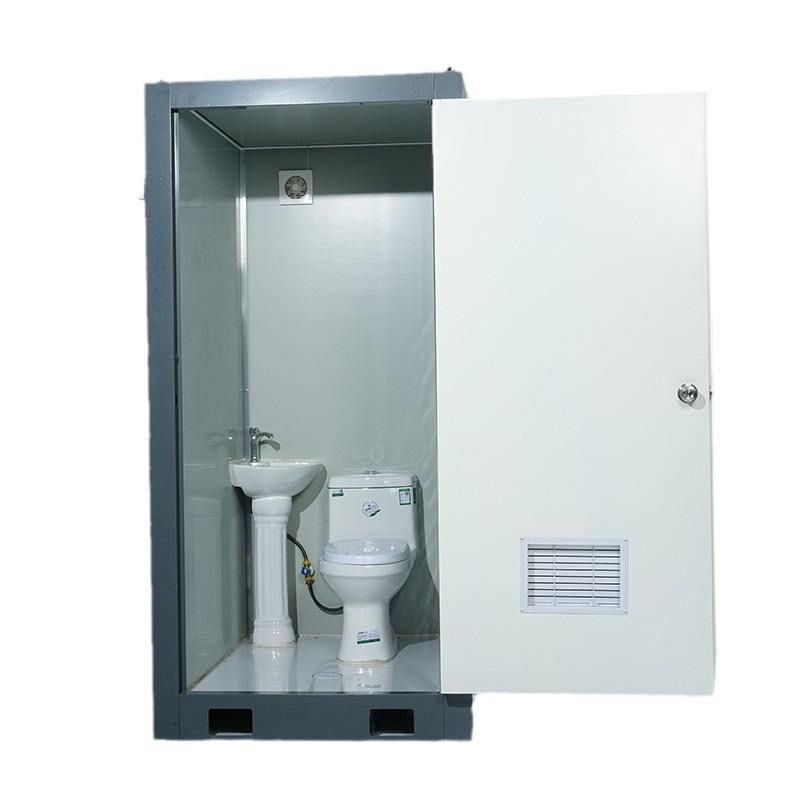
In terms of design forms:
- Expandable and Transformable Design: Some mobile container houses expand from 16.8 square meters to 50.4 square meters instantly when the transformation mode is activated, reaching three times the original size. At first glance, its appearance is that of a standard container about 6 meters long, with an industrial style. After expansion, it features an open-plan space combining the living room and kitchen-dining area, designed with warm wood finishes and large glass doors and windows. The small bathroom on one side achieves a dry-wet separation. This design not only meets space requirements but also takes into account aesthetics and practicality.
- Conventional Functional Layout Design: There is a 50-square-meter container house that a blogger purchased for 4,800 euros and could move in directly. This house has a basic layout, including a bedroom, bathroom, living room, and other supporting facilities, meeting people's daily living needs and providing a relatively comfortable and convenient living environment.
- Multi-Story Space Planning Design: Some people have planned five floors within a 50-square-meter container space with a built height of 4 meters (usable area), incorporating multiple functional spaces. This design makes full use of vertical space, achieving the integration of more functions within a limited footprint, suitable for situations where there are high requirements for space functions and limited场地 (site).
Regarding prices: There are 85 pieces of relevant price information involving multiple brands. Their prices are affected by factors such as craftsmanship and load-bearing capacity. There are different craftsmanship methods such as welding and assembly, and different load-bearing specifications such as 500 kg, 1,200 kg, and 1,500 kg. Different combinations of brands, craftsmanship, and load-bearing capacities will result in price differences. Consumers can weigh and choose among these factors according to their own needs and budgets.



