Container Hostel Movable House
Container hostel movable houses are a new type of living space that combines unique design, flexible functionality, and cost-effectiveness. Their core characteristics are reflected in three aspects: innovative design, flexible structure, and market diversity. The following is an analysis from specific dimensions:
I. Breakthrough in Design Style and Space Utilization
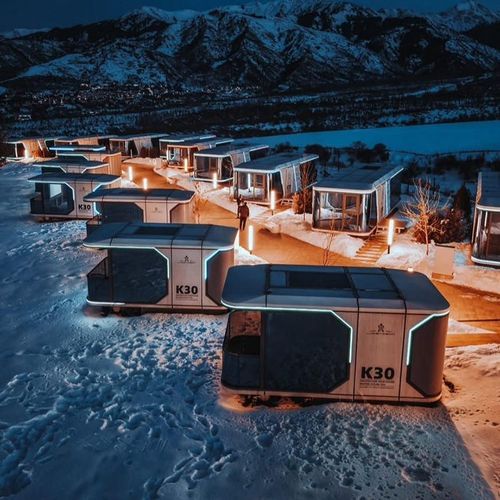
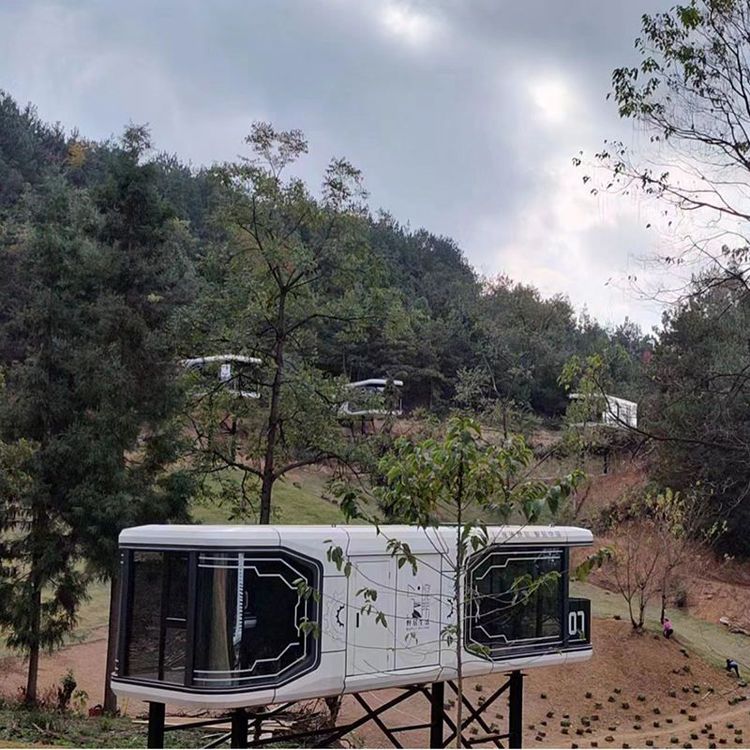
The design of container hostels breaks away from the fixed forms of traditional buildings, featuring a fusion of industrial-style exteriors and modern minimalist interiors as its core characteristic. Some projects adopt a rugged metal shell paired with large observation windows, creating a visual contrast of 'cold outside and warm inside'. For example, in one case, a combination of a cantilevered container body and a custom-widened container body not only constructs a 138-square-meter indoor living area but also extends an equally sized outdoor terrace and sunshade corridor, achieving multi-level space utilization. This design not only meets living needs but also introduces natural landscapes into the interior through elements such as openable glass curtain walls and flat-roof terraces, creating a 'borderless' living experience.
II. Flexibility in Modular Structure and Functional Expansion
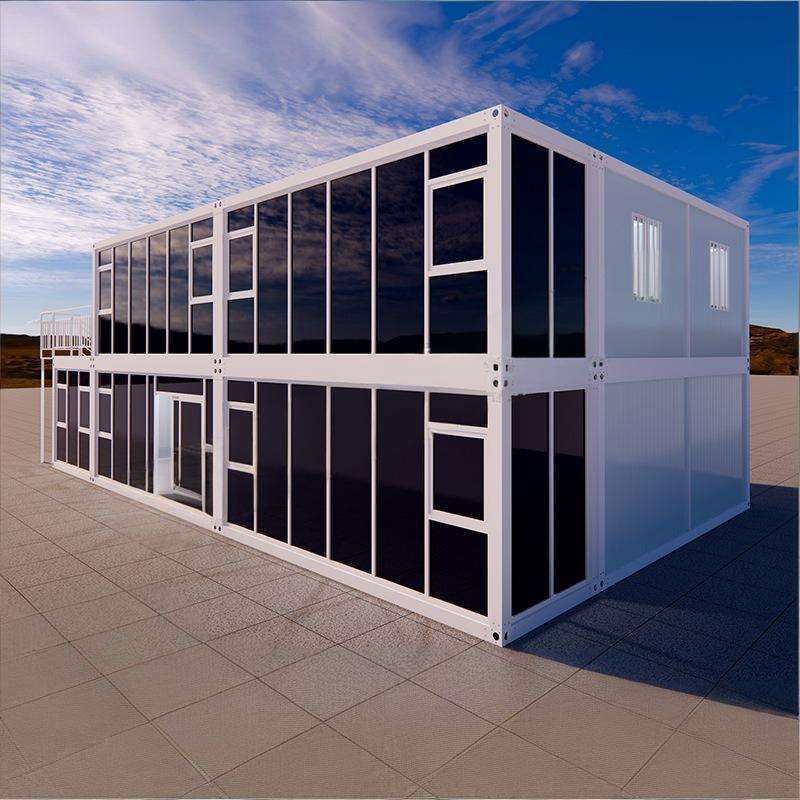
The standardized dimensions of containers (such as 20 feet and 40 feet) provide the basic conditions for modular assembly. Through vertical stacking, horizontal assembly, or cantilevered design, they can be quickly combined into single-story, duplex, or even multi-story buildings to adapt to different scenario needs. For example, one project uses three containers to construct a two-story structure: the ground floor is a custom-widened container body integrating stairs and observation windows; the upper floor consists of two standard container bodies stacked to form a private living area. This 'LEGO-style' assembly method allows the hostel to flexibly adjust its layout according to terrain, customer groups, or functional needs, such as adding public spaces like conference rooms and restaurants or achieving dynamic area changes through folding expansion technology.
III. Diversity and Cost-Effectiveness of Market Products
The current market for container movable houses has formed a multi-tiered product system covering different budgets and usage scenarios:
- Basic Type: Such as foldable houses for construction site dormitories, priced as low as 100 yuan per unit (including shipping), targeting temporary living needs and emphasizing quick assembly and disassembly and low cost;
- Functional Type: Such as the 700 double-wing foldable expansion container house, priced at 495 yuan, improving transportation efficiency through its foldable design, suitable for tourist attractions or post-disaster reconstruction;
- High-end Type: Such as the gable-roof quick-assembly small unit, priced at 1390 yuan, adopting a more stable structure and decorative materials to meet long-term living or commercial operation needs.
In addition, companies like Jiangxi Jieweinuo have further reduced costs through large-scale production and design optimization while providing one-stop services from design to installation, promoting the standardization and branding development of container hostels.
IV. Wide Adaptability in Application Scenarios
The mobility of container hostels enables them to be quickly deployed in remote scenic spots, temporary event venues, or urban renewal areas, avoiding the high costs and long cycles of traditional buildings. For example, in complex terrains such as mountains or seaside areas, by adjusting the assembly method and foundation structure of containers, wind-resistant and moisture-proof living spaces can be efficiently constructed; during the peak tourist season, the capacity can be quickly expanded by increasing the number of container bodies, and during the off-season, they can be disassembled and transferred to reduce operational risks. This 'build-and-use-immediately' characteristic makes them an innovative solution in fields such as rural revitalization and cultural and tourism integration.