Container Combination Assembled Housing
Container combination assembled housing is a form of architecture that transforms and combines standard containers through modular design to meet various functional requirements, characterized by flexibility, efficiency, environmental friendliness, and relocatability.

I. Structure and Types
Container combination assembled housing uses standard containers as basic units, with common sizes being 20 feet and 40 feet. Depending on the structure and purpose, it can be classified into several types:
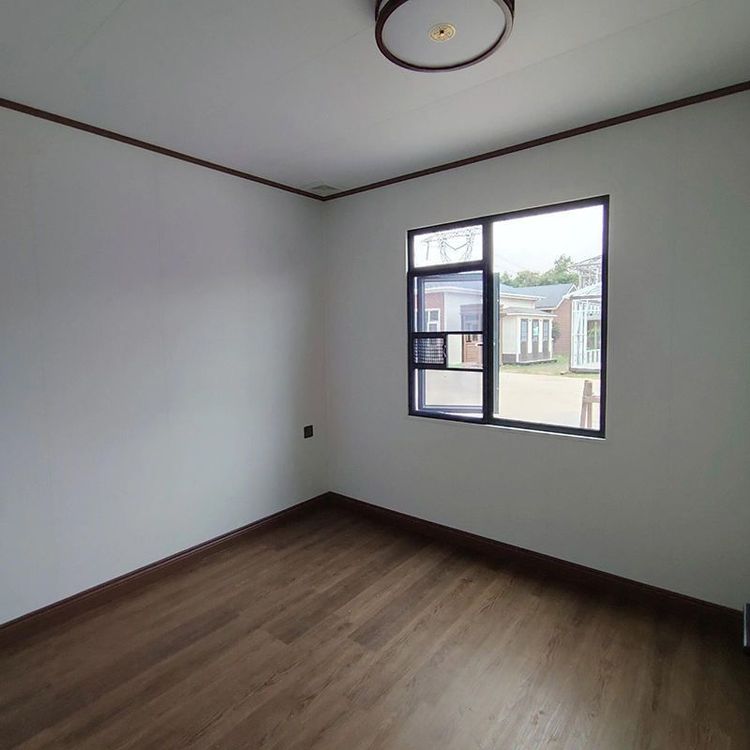
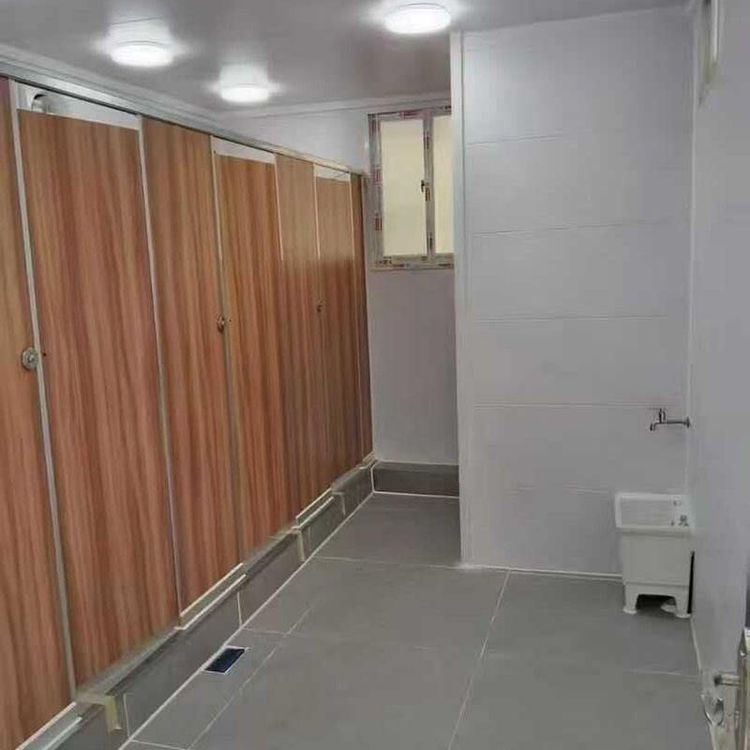
- Container-style office housing: Transformed into independent office units, these can be used singly or combined in multiple units. They are structurally robust, easy to transport, and suitable for project departments, construction site command centers, and other scenarios.
- Expandable office housing: These add lateral or end expansion modules to the containers, increasing usable area by 30%-50% when expanded. They are suitable for long-term on-site office work requiring higher spatial comfort.
- Other types: Such as foldable office housing and assembled office housing, which adopt folding structures or combinations of light steel frames and color steel plates to meet different scenario requirements.
II. Advantages and Characteristics
- Flexibility and relocatability: The modular assembly design allows for rapid construction and flexible relocation to different sites as needed.
- Environmental friendliness and recyclability: The reuse and transformation of existing steel structures reduce the consumption of traditional building materials, aligning with the development trend of green architecture.
- Efficiency and economy: Compared to traditional construction methods, container combination assembled housing significantly shortens the construction cycle, reduces construction costs, and provides efficient spatial solutions.
III. Application Scenarios
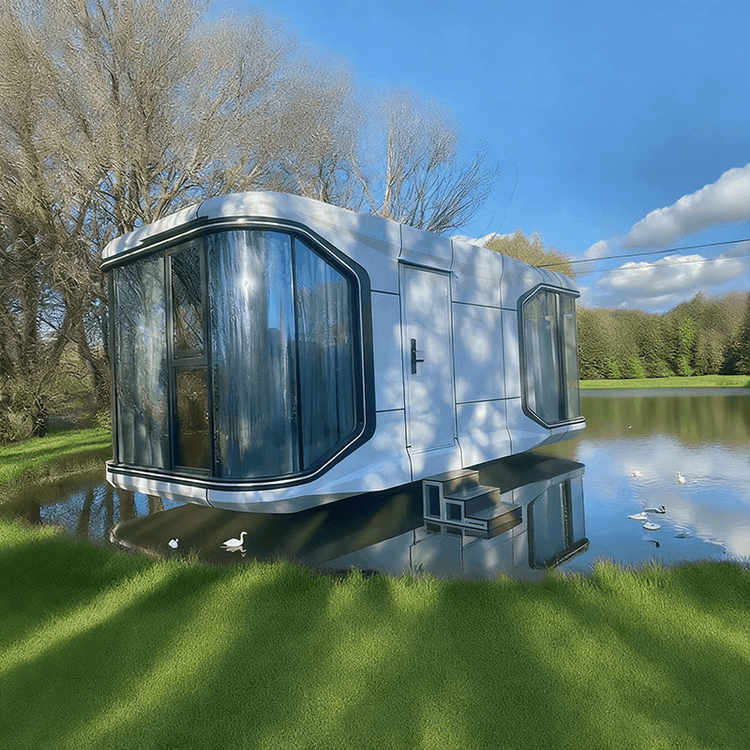
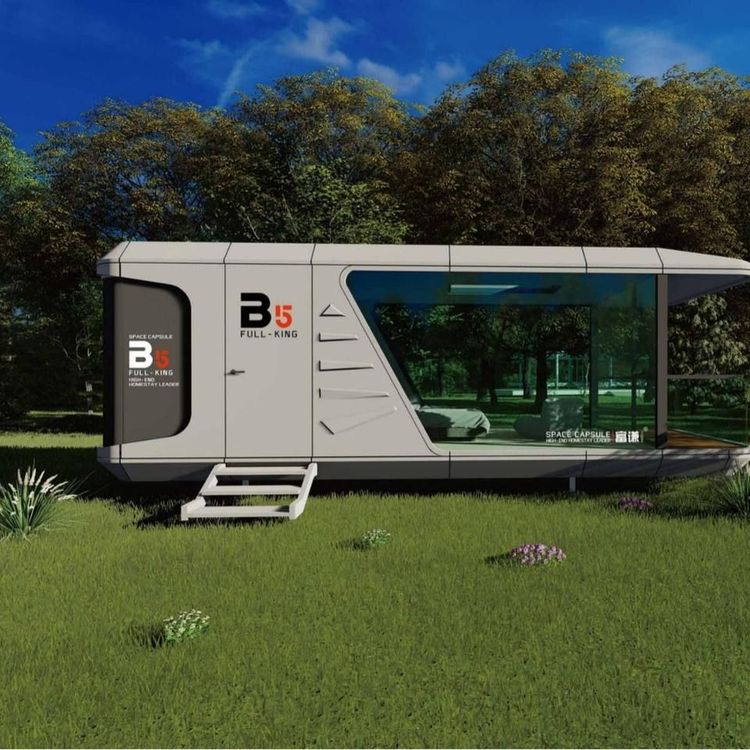
Container combination assembled housing is widely used in diverse scenarios such as engineering camps, mobile commerce, cultural and tourism accommodation, and emergency support. For example, in the Qatar World Cup Fan Village project, the Suzhou Zhongnan team quickly completed the construction of a large number of accommodation modules using the "factory prefabrication + on-site rapid assembly" model.