
How About Portable Toilets at Construction Sites
Portable toilets at construction sites offer numerous advantages and are a practical and efficient facility choice.
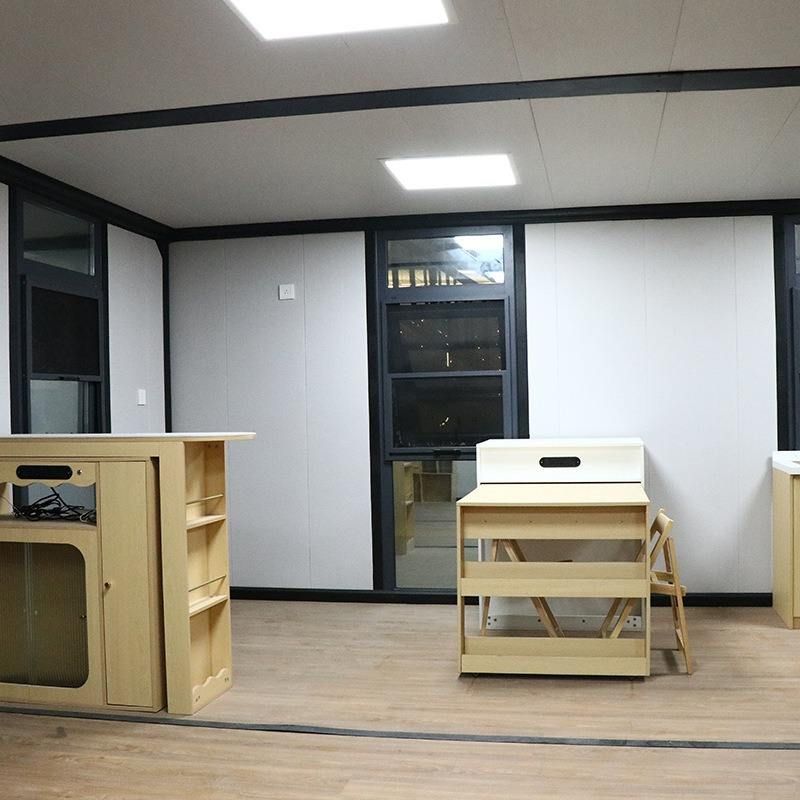
1. High mobility, adapting to site changes
One of the core features of portable toilets at construction sites is their mobility. During the construction process, the site layout may change frequently with the progress of the project. Traditional fixed toilets, once built, are difficult to relocate. Demolishing them not only consumes manpower and resources but also causes waste. In contrast, portable toilets can be flexibly moved according to actual needs without the need for large-scale demolition and reconstruction, effectively reducing resource losses caused by site changes. They are particularly suitable for construction sites with long durations or dynamic construction scopes.
2. Diverse treatment methods, suitable for different environments
The construction site environment is complex, with varying technical requirements for waste treatment. Portable toilets can choose appropriate treatment methods based on the usage scenario. For example, in remote areas or construction sites with scarce water resources, packing or biodegradation technologies can be used to avoid the impact of sewage discharge on the surrounding environment. In areas with well-established infrastructure, they can be connected to the municipal sewer network or use septic tanks for treatment. This flexibility enables them to adapt to different geographical conditions and environmental protection requirements, ensuring compliance with sanitation management during construction.
3. Small footprint, saving land resources
Compared to traditional fixed toilets, portable toilets have a more compact structural design and occupy significantly less space. This advantage is particularly prominent at construction sites with limited land resources. For example, a 4+1 stepped portable restroom only requires a small space to accommodate 4 squat toilets and 1 open washroom, meeting the needs of workers while avoiding excessive occupation of the construction site and freeing up more available space for other operations.
4. Rich variety, meeting personalized needs
The diversity of portable toilets is reflected in the customization of functions and designs. For factory workers, the number of squat toilets can be adjusted according to the male-to-female ratio to optimize usage efficiency. High-end models, such as the 4+1 stepped portable restroom, feature exterior walls made of insulation and flame-retardant metal carved panels, corrosion-resistant titanium-magnesium alloy side doors, and interior walls equipped with bamboo-wood fiber panels, anti-slip tiles, a complete set of bathroom cabinets, and exhaust fans, balancing practicality and comfort. Additionally, they can be exclusively customized according to special needs (such as barrier-free design, temporary medical stations, etc.), fully adapting to the differentiated needs of different construction sites.
5. Improving construction efficiency and environmental benefits
In renovation construction sites, the provision of temporary portable toilets has dual value: for workers, it is a guarantee of dignity, avoiding inefficiencies caused by inconvenient toilet access; for the building itself, it reduces pollution caused by workers entering and exiting randomly in search of toilets, achieving 'invisible' management; at the same time, it avoids 'invisible' work stoppages caused by workers leaving their posts to use the toilet, indirectly shortening the construction period. These advantages make them an important supporting facility in modern construction site management.



