
Charges for Portable Toilets at Construction Sites
When considering charges for portable toilets at construction sites, it is essential to pay attention to deposit terms, rental composition, equipment matching, duration calculation, and contract clauses to avoid hidden fees. Here are the key points:
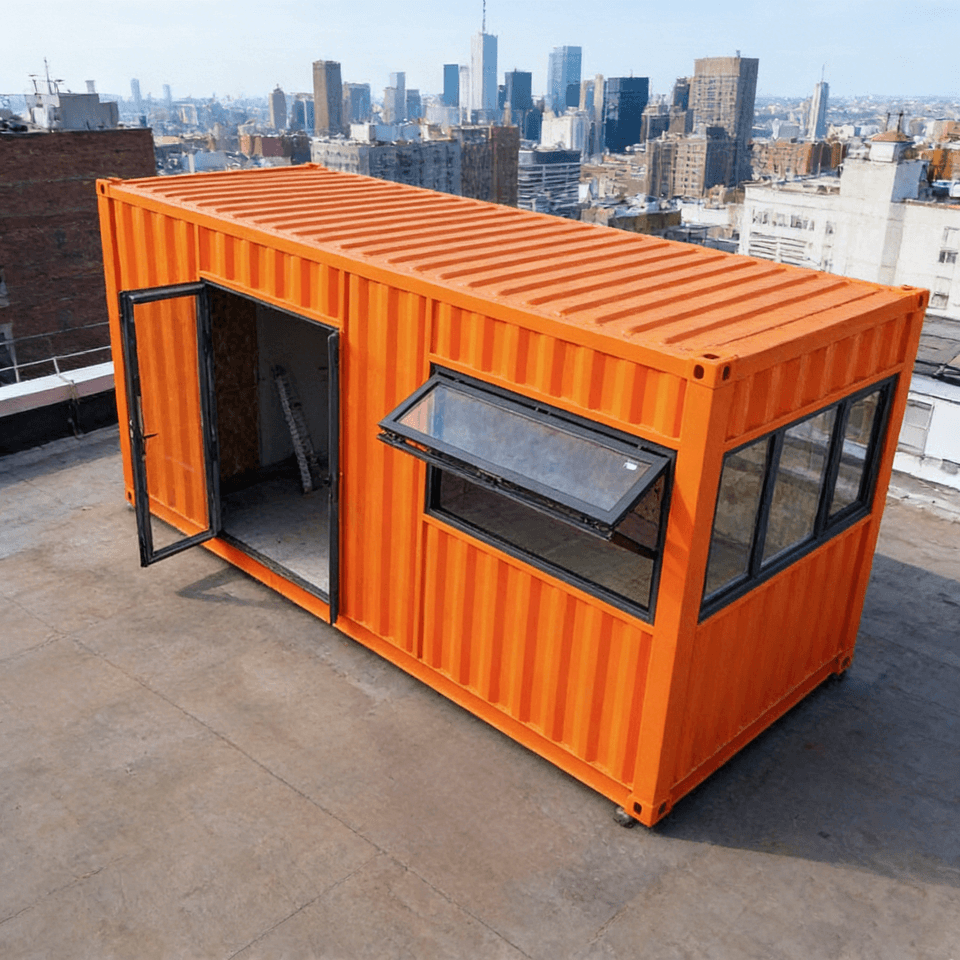
1. Deposit and Refund Terms
Rentals typically require a deposit (1-2 times the rental fee or 30%-50% of the equipment's total value), but be cautious of hidden charges in the contract such as 'cleaning fees' or 'damage fees'. For example, if the toilet is not cleaned properly or the equipment has minor scratches, the merchant may deduct the entire deposit. Before signing the contract, clarify the conditions for deposit refund (e.g., no damage, satisfactory cleaning), charges for overdue use, and the calculation method for early termination penalties, and retain written evidence.
2. Whether Rental Includes Basic Services
Confirm whether the quoted price includes delivery, installation, daily cleaning, water replacement, and consumables (e.g., toilet paper, hand soap). Some merchants may attract customers with low prices and then charge additional fees:
- Delivery Fee: Additional charges may apply for remote areas;
- Cleaning Fee: Charged per instance (e.g., 10-20 yuan per day);
- Consumables Fee: If not explicitly provided, these must be purchased separately.
Example: A construction site was required to pay a 300 yuan cleaning fee upon return due to unclear cleaning service terms, while the actual cost was only 20 yuan.
3. Equipment Model and Demand Matching
Portable toilets come in various models such as single-occupancy, double-occupancy, and accessible types, with significant differences in rental costs. Choosing oversized equipment blindly may result in additional charges for 'basic equipment fees' or 'space wastage fees'. It is recommended to choose based on the number of users:
- For events with fewer than 50 people, single-occupancy toilets are more cost-effective;
- For outdoor operations, prioritize models with wheels for easy mobility;
- For temporary exhibitions, confirm whether additional function fees (e.g., heating, deodorization systems) are required.
Example: A company overpaid by 1,500 yuan due to selecting the wrong model and later found that a more suitable basic model could have been rented within the same budget.
4. Duration Calculation Method
Rental durations are typically calculated based on 'calendar days' or 'complete time slots', which can lead to disputes. For example:
- Picking up the toilet in the afternoon and returning it the next afternoon may count as one day;
- Whether an hour of overtime is charged as half a day;
- Whether additional 'service fees' are required for nighttime use.
It is recommended to specify in the contract that 'the actual usage duration shall prevail' and retain pick-up and return receipts.
5. Hidden Additional Clauses in the Contract
Before signing the contract, carefully review the following:
- Whether there are hidden charges such as 'equipment maintenance fees' or 'insurance fees';
- Whether minor scratches on the equipment upon return are considered damage;
- The division of responsibility for equipment damage caused by force majeure (e.g., heavy rain, earthquakes).
Example: A merchant deducted 500 yuan from the deposit due to vague contract terms stating 'cleaning not up to standard', and the customer lost the case due to lack of evidence during the appeal.
Other Considerations: Steel-structured packing or foam-sealing portable toilets are commonly used at construction sites, with prices ranging from 5,000 to 15,000 yuan. It is advisable to choose a company with proper qualifications, sign a detailed contract specifying all fee details, and compare quotes from 2-3 companies to avoid low-price traps. In case of fee disputes, retain evidence and file a complaint with the local rental association.



