Portable Toilets for Construction Sites
Portable toilets at construction sites are facilities designed to meet temporary or fixed toilet needs, which can be moved as a whole to designated locations and reused repeatedly. The following provides an introduction from four aspects: composition, characteristics, classification, and eco-friendly types.

I. Basic Composition
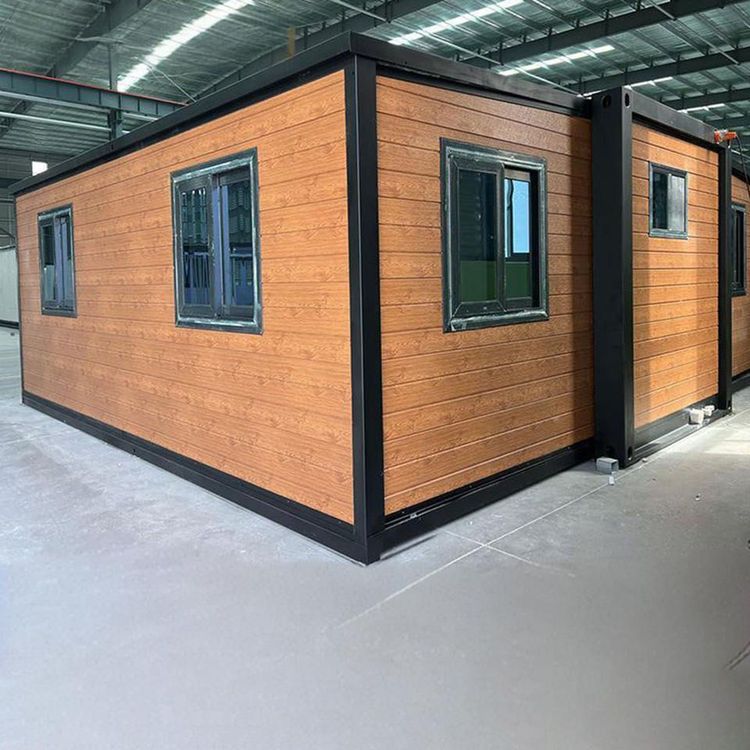
Portable toilets typically consist of core components such as fecal sewage storage tanks (or disposal units), floor slabs, sanitary fixtures, walls, washing equipment, water tanks, roofs, and mobile units. For example, in a customized portable toilet at a factory in Zhejiang, the number of squatting positions for sanitary fixtures is adjusted according to the gender ratio (1 for women and 7 for men), and the washing equipment includes a complete set of bathroom cabinets, reflecting the flexibility of functional design.
II. Core Characteristics
- Portability: Through methods such as hoisting, towing, or power-driven movement, they can be quickly deployed to construction sites, temporary event venues, and other areas, avoiding the fixed construction limitations of traditional toilets.
- Combinability: They support the splicing of single or composite structures to adapt to the needs of different-sized groups. For example, a 4+1 stepped portable restroom integrates 4 squatting positions and 1 open washroom through modular design.
- Reusability: The materials are corrosion-resistant (such as titanium-magnesium alloy doors) and the structures are sturdy (such as metal carved panel exterior walls), allowing for multiple disassemblies, transports, and installations, reducing long-term costs.
III. Classification Methods
- By structural form: They are divided into single-unit structures (independent units) and composite structures (multi-unit combinations).
- By mobility method: They include hoisting/handling types (requiring external equipment assistance) and power/towing types (with built-in drive or capable of being towed).
- By sewage treatment method:
- Water-flush and non-water-flush suction types: Rely on water sources for flushing or vacuum suction of feces;
- Recirculating water-flush types: Reuse water resources through filtration systems;
- Dry-pack types: Use biodegradable bags to collect feces, requiring no water flushing.
IV. Eco-Friendly Types
Taking the 4+1 stepped portable restroom as an example, its design combines environmental protection with practicality:
- Environmentally friendly materials: The exterior walls use thermal-insulating and fire-resistant metal carved panels, and the interior walls use bamboo-wood fiber panels, reducing chemical pollution;
- Complete functionality: Equipped with exhaust fans, tissue boxes, hooks, and anti-slip tiles to enhance the user experience;
- Customized services: The number of squatting positions, restroom layout, or the addition of special facilities (such as barrier-free access) can be adjusted according to needs.
Portable toilets effectively solve toilet problems in temporary scenarios such as construction sites through modular design and environmental protection technologies, offering both economic efficiency and sustainability.