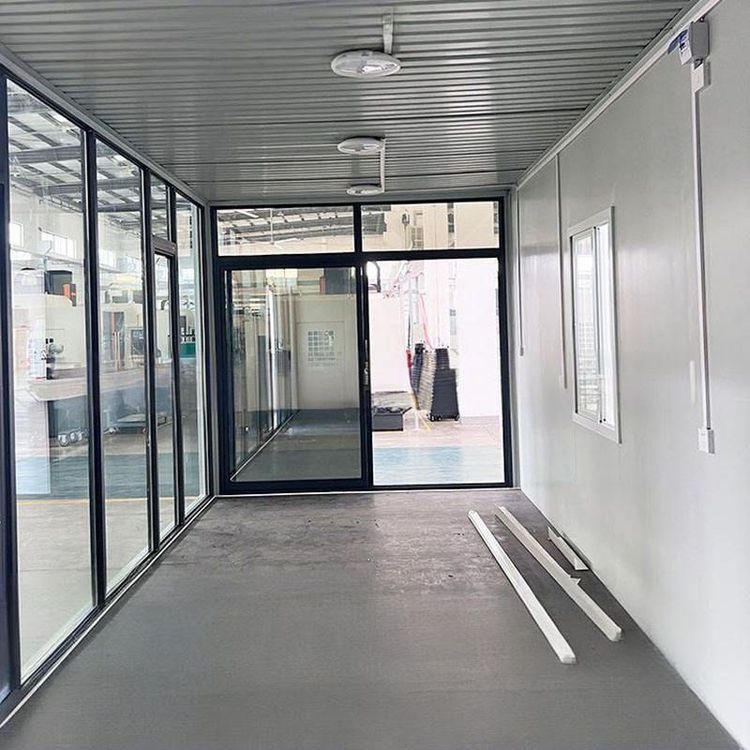
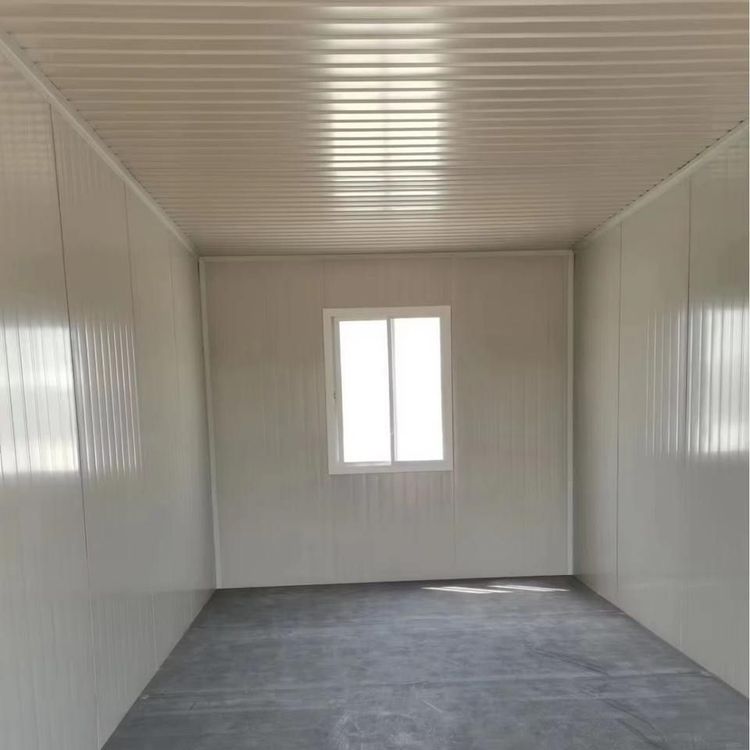
Mobile Toilets for Construction Sites
Mobile toilets for construction sites are a common and practical solution for temporary sanitation facilities. The following provides an explanation from four aspects: functional characteristics, structural composition, classification methods, and design principles.

I. Functional Characteristics
The core advantages of mobile toilets lie in their flexibility and reusability. They can be quickly deployed to temporary locations such as construction sites through integrated transportation, meeting the sanitation needs of densely populated areas. For example, a factory in Zhejiang customized mobile toilets based on the ratio of male to female employees, with one squat toilet for women and seven for men, precisely matching the actual usage scenario. Some high-end models adopt a modular design, such as the 4+1 stepped mobile restroom, which includes four independent squat toilets, an open restroom, and an insulation and flame-retardant exterior wall. The interior is equipped with anti-slip tiles, exhaust fans, tissue boxes, and can even be customized with bathroom cabinets, balancing practicality and comfort.
II. Structural Composition
Mobile toilets are typically composed of six systems:
- Fecal Treatment System: Includes storage tanks or disposal units responsible for collecting and preliminary treatment of excreta;
- Foundation Structure: The floor uses anti-slip materials to ensure safety during use;
- Sanitary Fixtures: Squat toilets, toilets, or urinals, configured according to demand;
- Walls and Roof: Made of materials such as metal carved panels and bamboo-wood fiber panels, balancing insulation and flame-retardant properties;
- Washing Equipment: Sinks, water tanks, and complete bathroom cabinets (for high-end models), providing cleaning support;
- Mobile Devices: Lifting hooks, towing chassis, or power systems for rapid transportation.
III. Classification Methods
According to different standards, mobile toilets can be classified into three categories:
- By Structural Form: Single-unit structures (independent units) and composite structures (multi-module combinations);
- By Mobility Method: Lifting/handling types (requiring external equipment assistance) and powered/towing types (capable of self-movement or towing);
- By Sewage Treatment Method: Water-flush types (requiring a water source), waterless suction types (regular cleaning of storage tanks), circulating water-flush types (water recycling), and dry-pack types (using biodegradable bags to collect feces).
IV. Design Principles
The design of mobile toilets should follow three principles:
- Mobility and Cost-Effectiveness: Lightweight materials and modular design reduce transportation costs while ensuring structural stability;
- Environmental Protection: Adopt waterless flushing or circulating water technology to reduce water consumption, with fecal treatment meeting discharge standards;
- Humanitarian Consideration: Reasonably plan the ratio of squat toilets, barrier-free facilities, and ventilation and lighting to enhance the user experience.
Through scientific classification and humanized design, mobile toilets have become an important choice for sanitation protection at temporary locations such as construction sites.