
Energy Saving of Mobile Toilets at Construction Sites
The energy-saving features of mobile toilets at construction sites are mainly reflected in aspects such as technological application, resource recycling, and long-term usage benefits.
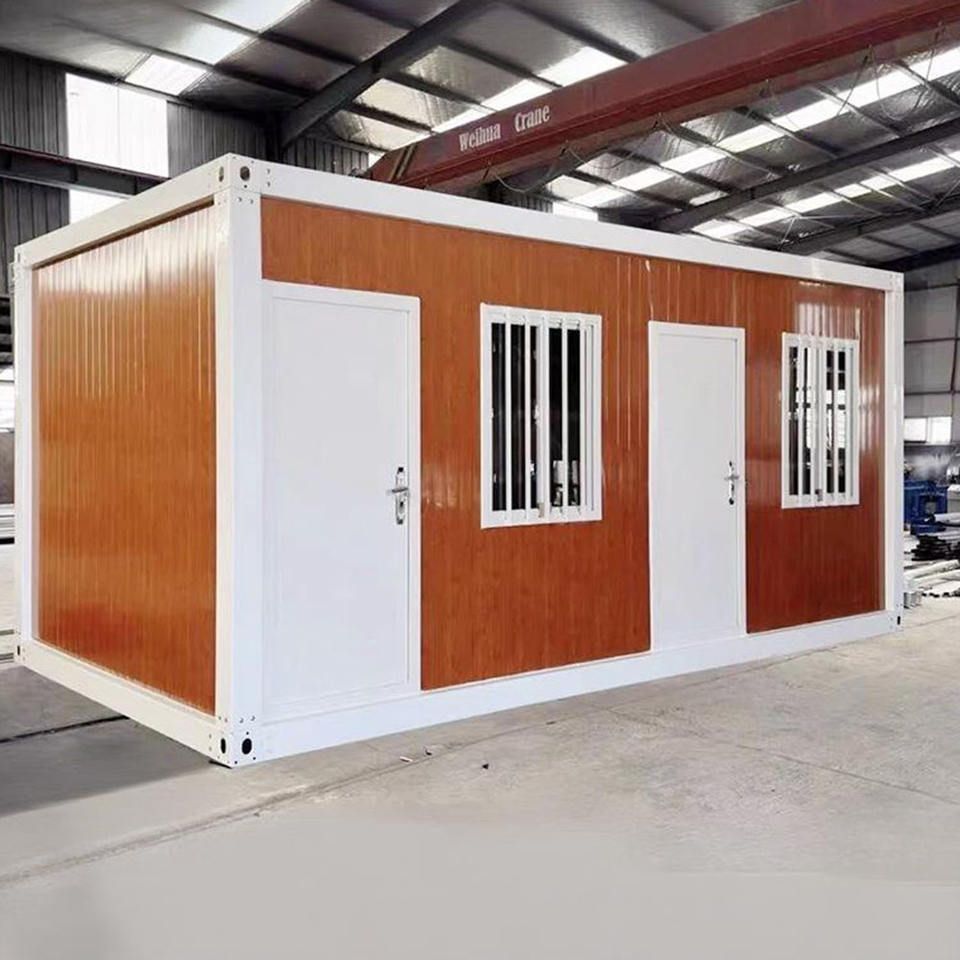
Firstly, the application of eco-friendly and energy-saving technologies is the core means of achieving energy conservation in mobile toilets at construction sites. For example, Shanghai Shijie Energy-Saving and Environmental Protection Technology Engineering Co., Ltd. offers rental services for mobile toilets at construction sites. Its products integrate eco-friendly and energy-saving technologies to optimize energy utilization efficiency from the design stage. These technologies may include solar power systems, low-energy lighting equipment, or intelligent temperature control devices, which directly reduce energy consumption during operation by reducing reliance on traditional energy sources. The products of Beijing Shunxi Yijie Technology Co., Ltd. further emphasize green and energy-saving features. Some of their mobile toilets have a service life of up to 15 years and a warranty period of 2 years. This long-term stability reduces resource waste caused by frequent equipment replacement, indirectly achieving energy conservation and consumption reduction goals.
Secondly, water-saving and resource recycling technologies are another key direction for energy conservation in mobile toilets at construction sites. Environmentally friendly mobile toilets generally adopt waterless flushing or foam sealing technology solutions. Waterless flushing toilets use microbial degradation technology to treat excrement, eliminating the need for water flushing entirely and significantly saving water resources. Foam sealing toilets use foaming liquid to cover the surface of excrement, forming a sealed layer to block odors, requiring only a small amount of water to maintain foam generation. Their water consumption is less than one-tenth of that of traditional water-flushing toilets. In addition, some mobile toilets are equipped with rainwater collection systems or reclaimed water reuse devices, which use rainwater or treated wastewater for toilet flushing or green irrigation, further achieving water resource recycling.
Finally, long-term usage benefits and low maintenance costs enhance energy-saving advantages. The modular design and durable materials (such as high-strength plastics and stainless steel) of mobile toilets at construction sites enable them to adapt to harsh construction environments and reduce repair frequency due to damage. For example, by extending the service life to 15 years, the products of Beijing Shunxi Yijie Technology reduce equipment depreciation costs and energy consumption per unit of time. At the same time, waterless flushing or low-water volume technologies reduce sewage discharge and lower sewage treatment energy consumption, forming a full-chain energy-saving loop from usage to discharge.
In summary, mobile toilets at construction sites have built a multi-dimensional energy-saving system through technological innovation, efficient resource utilization, and long-term stability design, which not only meets the requirements of green construction but also provides practical solutions for the sustainable development of the construction industry.
You may also like

Portable Toilet Used in 2026: Buying Guide & Recommendations
Read More
Portable Toilet Custom Explained: How to Choose the Right One
Read More
Top Portable Toilet Smart Manufacturers: How to Choose a Factory Partner
Read More