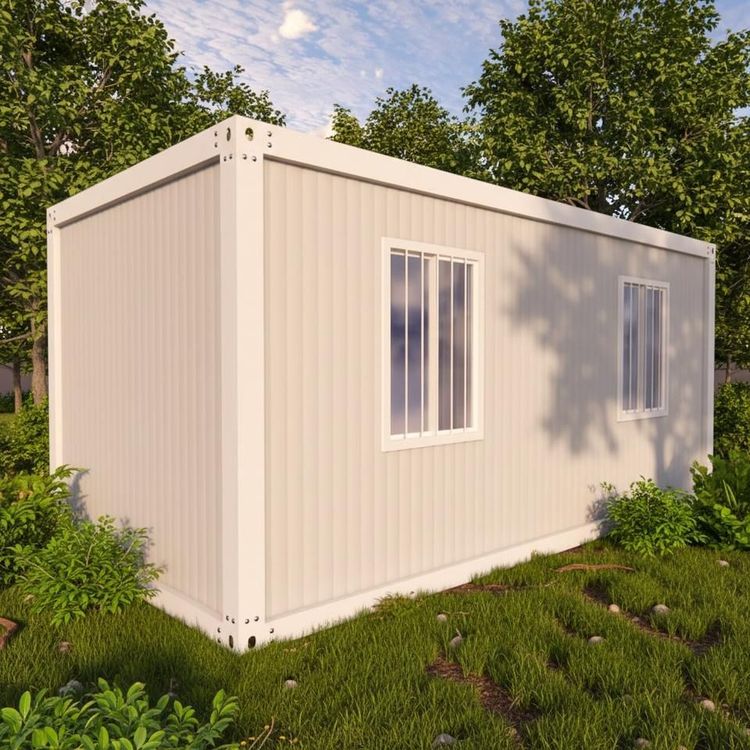
Concert Portable Toilets
The operation of portable toilets for concerts is a multi-stage, systematic solution that encompasses preliminary planning, scenario-based deployment, supporting services, cost optimization, and full-cycle management, aiming to balance functionality with site constraints and ensure the restroom needs of both audiences and staff are met.

Preliminary Planning: Precise Allocation Based on Demand
A plan must be formulated based on the venue size, estimated crowd size, and event duration. Generally, 1-2 portable toilets (including male and female stalls) are allocated for every 100 attendees, with a 20% buffer reserved to handle sudden surges. If the event spans multiple days, it is necessary to analyze crowd distribution by time period. For instance, evening performances may concentrate in specific areas, requiring dynamic adjustments to toilet density. For example, the Da Lang 10,000-person concert in Yichang, Hubei, effectively alleviated restroom pressure for the audience by adding portable toilets.
Scenario-Based Deployment: Zoning Strategy and Functional Adaptation
- Entrance/Security Check Area: To disperse crowd pressure, set up 1-2 temporary male and female toilets each, paired with mobile handwashing stations and canopies to avoid queuing congestion.
- Audience Seating Area: Deploy toilet clusters at intervals of 50-100 meters by region, using barrier-free toilets near aisle ends of stands and VIP area edges to balance convenience and safety.
- Logistics and Staff Area: Set up dedicated toilets behind the stage and near dressing rooms, and configure simple toilets in parking lots and other areas to ensure the efficiency of performing staff.
- Exit and Evacuation Routes: Temporarily deploy an additional 3-5 toilets during audience dispersal, equipped with lighting and guiding signs to prevent congestion during departure.
Supporting Services and Management: Standardization and Emergency Response
- Cleaning and Maintenance: Require the rental company to conduct comprehensive cleaning at least twice daily, increase inspections during peak times, dynamically replenish consumables such as toilet paper and hand sanitizer, and display "Disinfected" signs.
- Emergency Safety: Define response procedures for equipment failures and extreme weather conditions (such as rainwater drainage during heavy rain and sunshade during high temperatures), and assign 1-2 on-site maintenance personnel to promptly address unexpected issues.
- Signage and Guidance: Use bilingual (Chinese-English) signs, fluorescent arrows, or themed graphics, paired with LED light boxes at night to enhance nighttime visibility.
Cost Optimization and Full-Cycle Management
- Rental Period: Adjust the number of toilets by stage, reducing them by 30% during rehearsals and restoring the configuration for the official performance to avoid resource waste.
- Equipment Selection: Balance technical parameters such as ventilation, lighting, and sewage tank capacity to ensure air circulation, prevent overflow, and avoid key areas such as evacuation routes and power lines.
- Logistics and Waste Removal: Plan transportation routes, coordinate arrival times, reserve backup equipment for temporary needs; choose waste removal vehicles to operate late at night or early in the morning, and handle waste in compliance with environmental protection regulations.
- Site Restoration After Event: Systematically remove equipment after the event, clean installation sites, and restore the venue to its original condition.