
Mobile Toilets for Concerts
Mobile toilets for concerts are crucial facilities for ensuring the smooth running of events, requiring systematic and scientific planning, configuration, operation, and management.
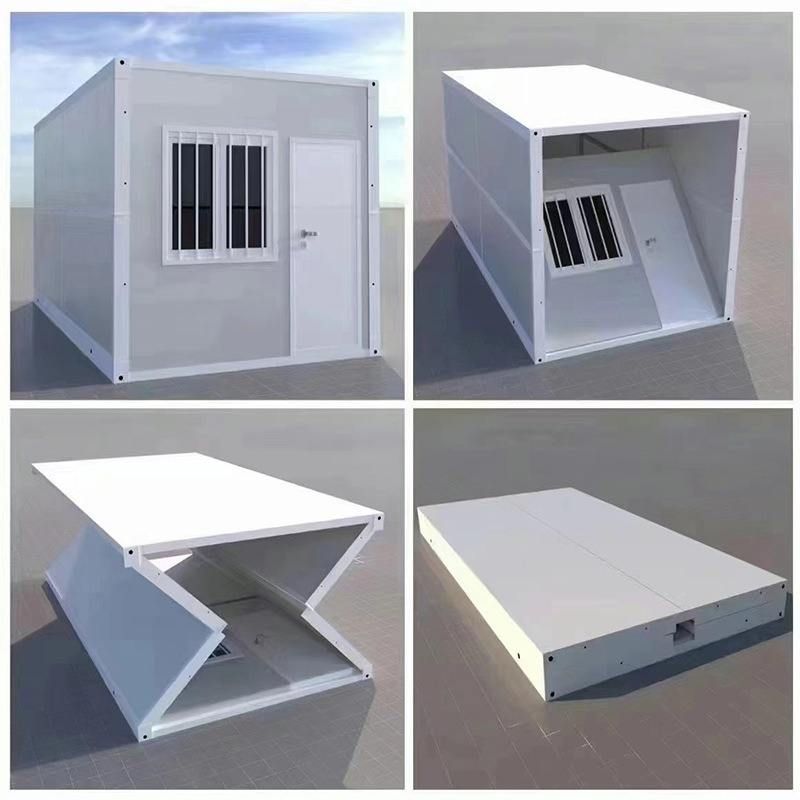
I. Planning Phase: Accurate Demand Assessment
Quantitative analysis should be conducted based on event characteristics, including total audience size, gender ratio, event duration, venue layout, and pedestrian flow patterns. For example, a 20,000-person outdoor music festival (with a 1:1 gender ratio and lasting 6 hours) will have significantly different toilet needs compared to a 3-hour indoor performance with a skewed gender ratio. It is generally recommended to allocate 1-2 mobile toilets (including both male and female stalls) per 100 audience members, with a 20% buffer to accommodate sudden surges.
II. Equipment Selection and Configuration: Balancing Functionality and Venue Constraints
- Technical Specifications: Ventilation systems must ensure proper air circulation, and waste storage tank capacity should match usage frequency and collection cycles (e.g., high-frequency events require larger tanks).
- Physical Layout: Avoid emergency exits, power lines, and primary viewing areas. Choose locations with solid foundations and easy access for collection vehicles. For instance, entrances/security checkpoints can disperse crowds, toilet clusters can be placed every 50-100 meters around the audience seating area, and backstage corridors (e.g., behind the stage) can ensure convenient access for staff.
III. Logistics and Installation: Efficient Coordination
Plan transportation routes, coordinate arrival time windows, and complete equipment positioning, water supply connections, securing, and testing within a short timeframe. For temporary increases in toilet demand, reserve spare units or dynamically adjust toilet quantities in high-traffic areas based on real-time crowd data.
IV. Operation and Maintenance: Dynamic Experience Assurance
- Standardized Procedures: Conduct regular inspections, replenish toilet paper/hand soap, check equipment status, and empty waste tanks as scheduled.
- Collection Scheduling: Predict waste tank fill levels and arrange dedicated vehicles for non-event hours (e.g., late at night). Waste disposal must comply with environmental regulations.
- Emergency Management: Define emergency response procedures, such as quick replacement of malfunctioning equipment, and guide crowd flow with bilingual (Chinese-English) signage.
V. Issues and Improvements
Poorly located mobile toilets can severely impact the experience, as seen at G.E.M.'s Taizhou concert where toilets placed in the front rows caused odors to spread to the stands. Improvements require enhanced scenario-based layout strategies, such as positioning toilets away from core viewing areas or using enclosed designs and additional deodorization devices to reduce odors.
VI. Supporting Services and Management
Select qualified rental companies and require at least two daily comprehensive cleanings, with increased inspection frequencies during peak times. After the event, remove equipment in an orderly manner, clean installation sites, and ensure the venue is restored without leaving any issues.



