Composite Structure Mobile Toilet Design
The design of composite structure mobile toilets requires comprehensive consideration from three aspects: structural design, material selection, and design principles, in order to achieve the goals of convenient mobility, environmental protection, durability, and efficient maintenance.
Structural Design
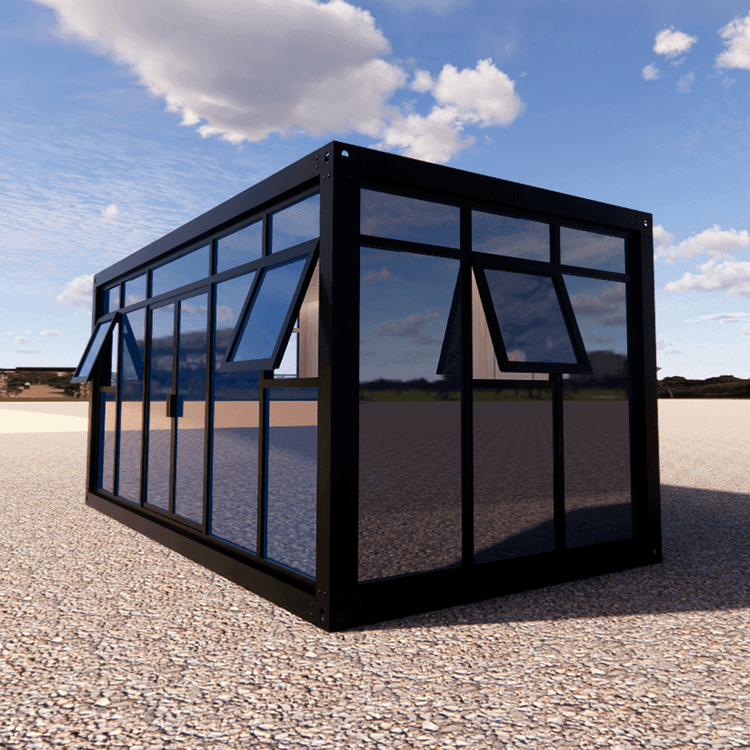
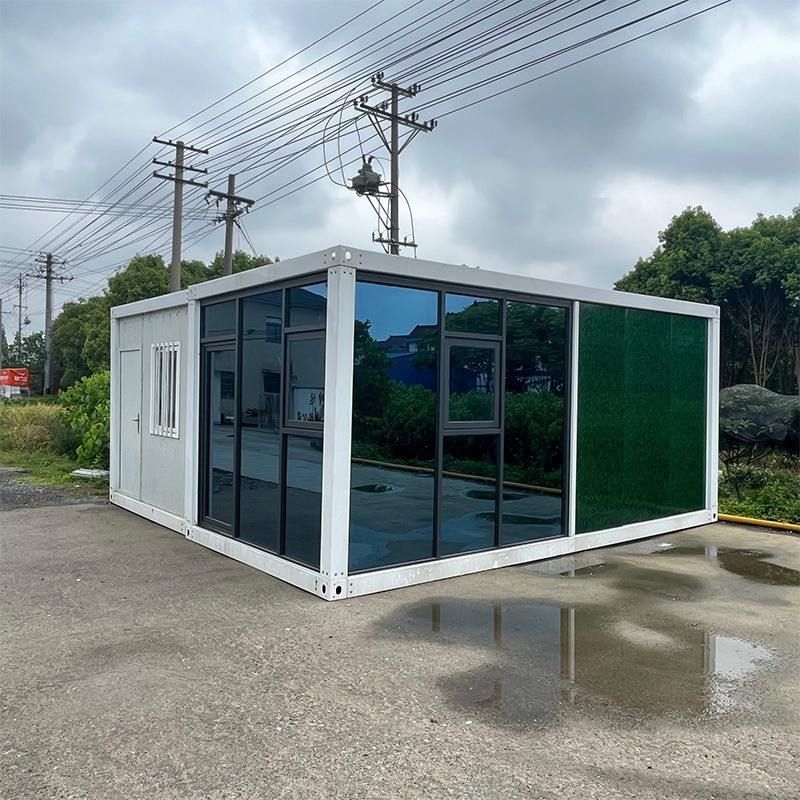
The main frame of the composite structure mobile toilet is made of high-strength metal or engineering plastics, with a stable structure constructed through a multi-layer panel splicing process. The outer layer is covered with weather-resistant wall panels (available in gray or blue options), and the base simulates marble texture to enhance aesthetics. The internal space measures 1000×1000×2400 millimeters, with a squatting design that conforms to ergonomics, ensuring user comfort. The water tank system adopts an independent circulation design with a 400-liter built-in wastewater tank and a 100-liter clean water tank, enabling flushing and cleaning without an external water source. An optional fecal discharge valve at the back facilitates regular cleaning of waste, reducing odor diffusion. The accessory design focuses on details: the built-in flushing toilet is controlled by a foot pedal or button to reduce contact contamination; mirrors, coat hooks, and paper towel holders are installed on the walls to enhance convenience; and a reserved exhaust pipe interface at the top can be connected to a ventilation system to accelerate air circulation. In terms of transportation design, the wear-resistant forklift base and crane hook support rapid lifting, and the door panels are available in red/blue dual colors to harmonize with the surrounding environment, adapting to frequent relocation scenarios.
Material Selection
The main material for the toilet body is metal carved panels, which, with a thickness of 8 centimeters and an internal soundproof cotton layer, form a composite structure: the outer metal panel is impact-resistant, the middle air layer and soundproof cotton achieve noise reduction (below 40 decibels), and the inner moisture-proof panel responds to humidity changes. The roof design adopts a gable or octagonal shape, with a sloped structure that accelerates rainwater drainage and avoids water accumulation. Some waterless flushing toilets use biodegradable plastic bags to package waste, eliminating the need for sewer pipes and further reducing material costs and environmental impact.
Design Principles
The design should adhere to three major principles:
- Mobility Convenience and Economic Durability: Prioritize the selection of lightweight and durable materials, control the height and width of the toilet to ensure a sturdy structure and ease of transportation; the mobile devices should be complete and reasonable, such as the standardized design of the forklift base and crane hook.
- Environmental Protection and Ecology: Waterless flushing toilets achieve sealed collection of waste through mechatronic devices, saving water resources and promoting the resource utilization of feces and urine, reducing sewage treatment links, and complying with sustainable development requirements.
- Enhancing Efficiency and Humanitarian Care: Optimize the internal flow channel design to reduce waste residue, combined with wear-resistant wall panels and easy-to-disassemble structures, the single cleaning time can be shortened to within 10 minutes; with a flow of 100 people, the cleaning cycle can reach 10 days, significantly reducing labor costs.