
Composite Resin Prefabricated House
A composite resin prefabricated house is a building form that uses resin-based composite materials as its core and is produced through modular prefabrication processes. It combines advantages such as lightweight construction, corrosion resistance, and fast construction, but attention must be paid to the material's high-temperature resistance and long-term durability.
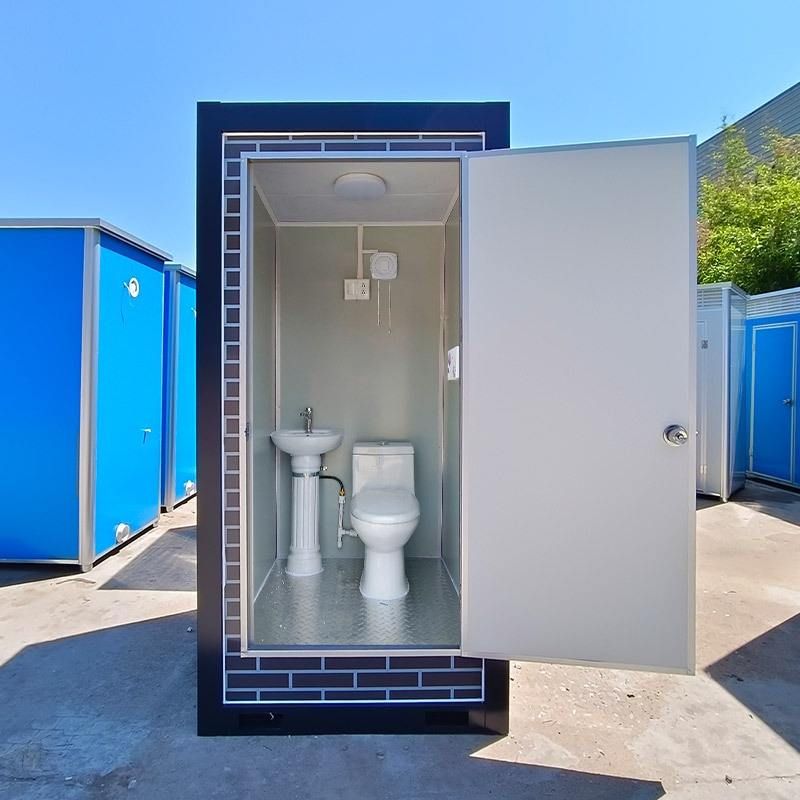
Material Composition and Process
The core materials of composite resin prefabricated houses are synthetic resins (such as epoxy resin and polyurethane), which form a composite structure by adding reinforcing materials like glass fiber and carbon fiber. For example, the roofing project at Beijing Kexing Zhongwei Kaixin Base uses modular composite materials without relying on traditional reinforced concrete, demonstrating the lightweight application of resin-based materials in construction. Its manufacturing process typically involves factory-based modular production, where the building is divided into standard components for on-site assembly. Resin materials can be molded through processes such as vacuum infusion and compression molding, supporting large-scale industrial production and aligning well with the 'assembly line' model of prefabricated houses.
Performance Advantages
- Lightweight and High Strength: Resin composite materials have low density but can achieve compressive strengths of 50-100 MPa and tensile strengths exceeding 10 MPa, meeting the structural requirements of buildings.
- Weather Resistance: Epoxy resin has a weather resistance lifespan of over 15 years, capable of withstanding acid, alkali, and salt spray erosion, making it suitable for coastal or industrial areas.
- Construction Efficiency: Modular design reduces on-site work time. For example, the TGM project in the Netherlands achieved an installation speed of 'one floor per day' through resin component hoisting.
Application Scenarios
- Temporary or Transitional Housing: Prefabricated houses in China are often used as temporary on-site dormitories, and composite resin materials can enhance their durability.
- Low-Cost Permanent Housing: In European and American markets, where labor costs are high, there is strong demand for prefabricated houses priced at around 200,000 RMB. Composite resin materials can further reduce costs.
- Special Environment Buildings: For example, the PCT project in Dubai uses GFRP panels to achieve a movable roof, with the lightweight nature of composite resins supporting innovative designs.
Limitations
- High-Temperature Stability: Ordinary resin tiles are prone to deformation above 70°C and release harmful substances at 180°C, limiting their application in high-temperature work environments.
- Long-Term Durability: In rural areas, ordinary resin tiles have a lifespan of about 20 years and require special customization to extend to 30 years, which may affect the expected lifespan of prefabricated houses.
Its market positioning may lie between traditional self-built houses and high-end prefabricated houses, suitable for scenarios sensitive to cost or requiring high construction efficiency.



