
Which is Better: Container Houses or Color-Steel Houses?
Both container houses and color-steel houses have their own advantages and disadvantages, and the choice should be based on specific needs. If long-term use, safety, durability, and aesthetics are prioritized, container houses are superior; if short-term low-cost and rapid construction are emphasized, color-steel houses are more suitable.
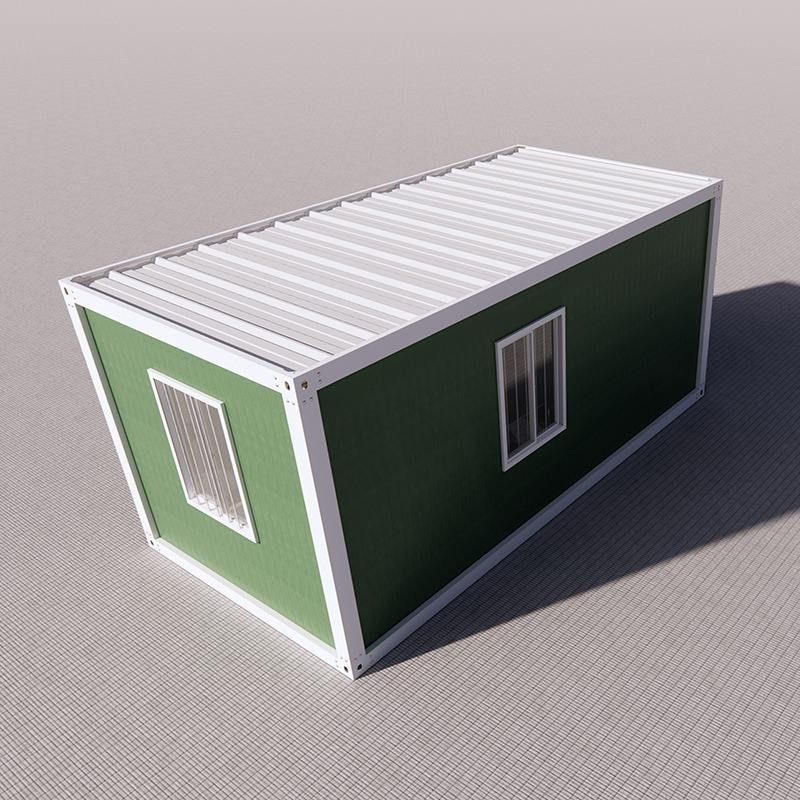
Cost and Service Life
Color-steel houses excel in low cost and rapid installation. Their material prices are relatively low, and the construction period is short, making them suitable for short-term demand scenarios such as temporary dormitories on construction sites, warehousing, or temporary event venues. If frequent relocation is required, the modular structure of color-steel houses facilitates disassembly and assembly, with relatively low relocation costs. Although container houses have higher initial costs, their steel frames and overall structures are more durable, making them suitable for long-term fixed use, such as permanent offices, shops, or residences, with lower maintenance costs in the long run.
Structural Safety and Disaster Resistance
Container houses are welded from standardized steel, offering high structural strength and excellent wind and earthquake resistance, making them particularly suitable for earthquake-prone or typhoon-prone areas. Their sealed design effectively prevents rainwater penetration, and their fire resistance rating is superior to that of ordinary color-steel plates. The lightweight structure of color-steel houses is prone to damage in extreme weather conditions, and the fire resistance of color-steel plates is relatively poor. After long-term use, rusting issues may arise, and safety gradually decreases over time.
Functionality and Living Experience
Container houses optimize the living experience through modern design, integrating sound insulation, heat insulation, fire prevention, moisture resistance, and other systems. The decoration is completed in one go, with high space utilization, aesthetics, and environmental protection, making them suitable for commercial spaces or high-end temporary housing. Color-steel houses have weaker thermal insulation performance and require additional insulation layers. The on-site installation and decoration process is lengthy, with low flexibility in spatial layout and insufficient overall aesthetics, making them more suitable for industrial scenarios with low comfort requirements.
Installation and Relocation Efficiency
Container houses support whole-box lifting, requiring no concrete foundation. Installation can be completed in 15 minutes, and they can be put into use within 1 hour. During relocation, no disassembly is required, and items can be moved with the box, with a loss rate of less than 5%. Color-steel houses require on-site pouring of concrete foundations, and the construction process relies on manual labor. During relocation, the plates and frames need to be disassembled, with a material loss rate of up to 20%-30%. After reinstallation, structural stability needs to be readjusted.



