
Mobile Toilets for Companies and Units
Mobile toilets for companies and units are facilities that can be moved as a whole, providing toilet services for the public and customers, suitable for various locations with fixed or temporary needs.
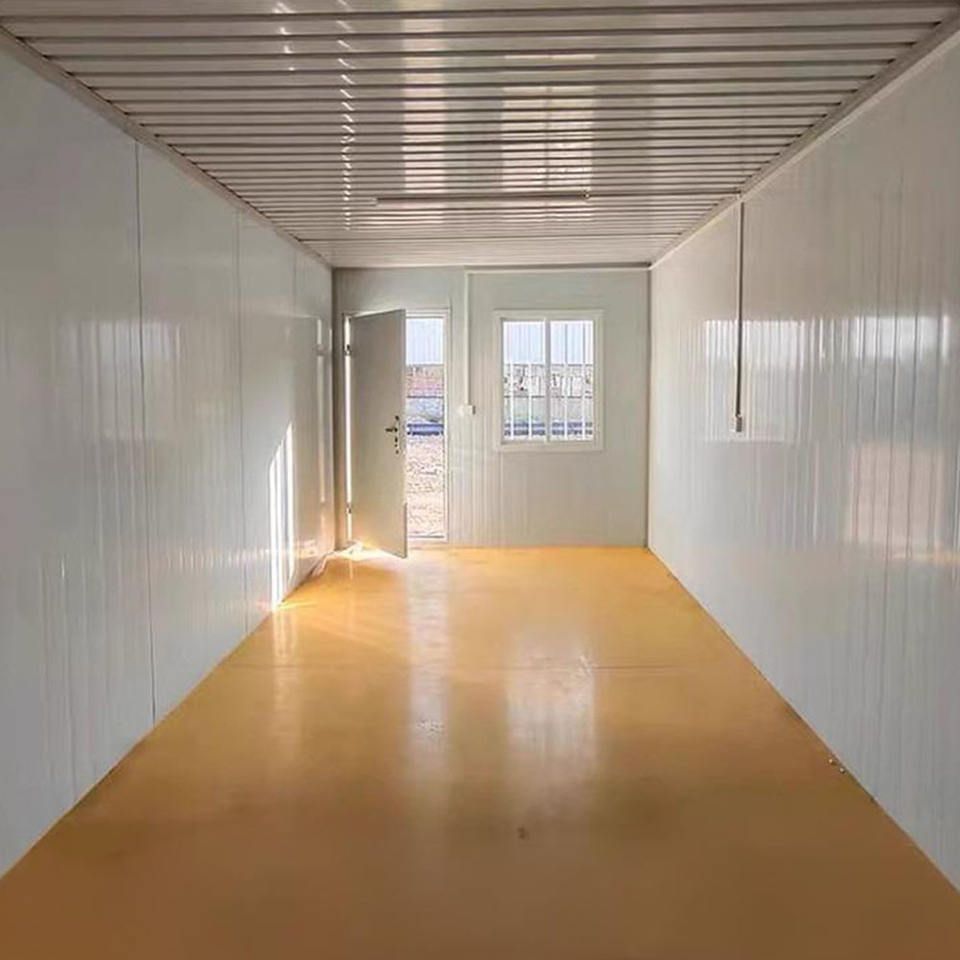
I. Basic Composition Mobile toilets for companies and units typically consist of core components such as fecal sewage storage tanks (or disposal units), floor slabs, sanitary ware, walls, washing equipment, water tanks, roofs, and mobile devices. Early products were mostly made of wood, presenting issues such as simple construction and easy absorption of odors. Modern products widely use new materials like fiberglass and polyethylene, significantly improving durability and odor resistance. For example, some products feature a dual-tonnage design with widened eaves on top, enhancing structural stability and optimizing the user experience.
II. Classification Methods
- By structural form: They are divided into single-structure mobile toilets (independent unit design) and composite-structure mobile toilets (multi-unit combination design), with the latter meeting larger-scale toilet needs.
- By mobility method: They include lifting and handling types (relying on external equipment for movement) and powered and towed types (with built-in power or towable for transportation), with the latter being more suitable for long-distance or frequent movement scenarios.
- By sewage treatment method: They are classified into water-flush and waterless suction types (relying on sewage tanks or external pipelines), circulating water-flush types (reusing water resources through filtration systems), and dry-pack types (using biodegradable bags to collect feces without water), among which the dry-pack type is widely used in water-scarce or environmentally demanding scenarios due to its lack of sewage discharge.
III. Core Advantages
- Mobility: They can be quickly deployed to densely populated or temporary event locations such as stations, docks, tourist attractions, and large construction sites, and can also be flexibly adjusted in position according to the needs of companies and units.
- Combinability: Through modular design, multiple units can be spliced together to meet the toilet needs of different-sized groups.
- Environmental protection and energy efficiency: Circulating water-flush and dry-pack mobile toilets significantly reduce water consumption, aligning with sustainable development concepts.
- Economy: Compared to traditional fixed toilets, mobile toilets require no complex civil engineering works, have lower construction costs, and can be reused, offering significant long-term benefits.
IV. Typical Application Scenarios In addition to companies and units, mobile toilets are also widely used in villa areas, new residential communities, squares, bustling commercial streets, and other locations. Their rapid response capability is particularly evident in temporary events (such as exhibitions and music festivals) or natural disaster emergency rescues.



