
Indoor Portable Toilet for Community Rooms
The situations regarding indoor portable toilets in community rooms can be divided into two categories: one is to directly select indoor portable toilet products, and the other is to reposition the toilet to adjust the layout.
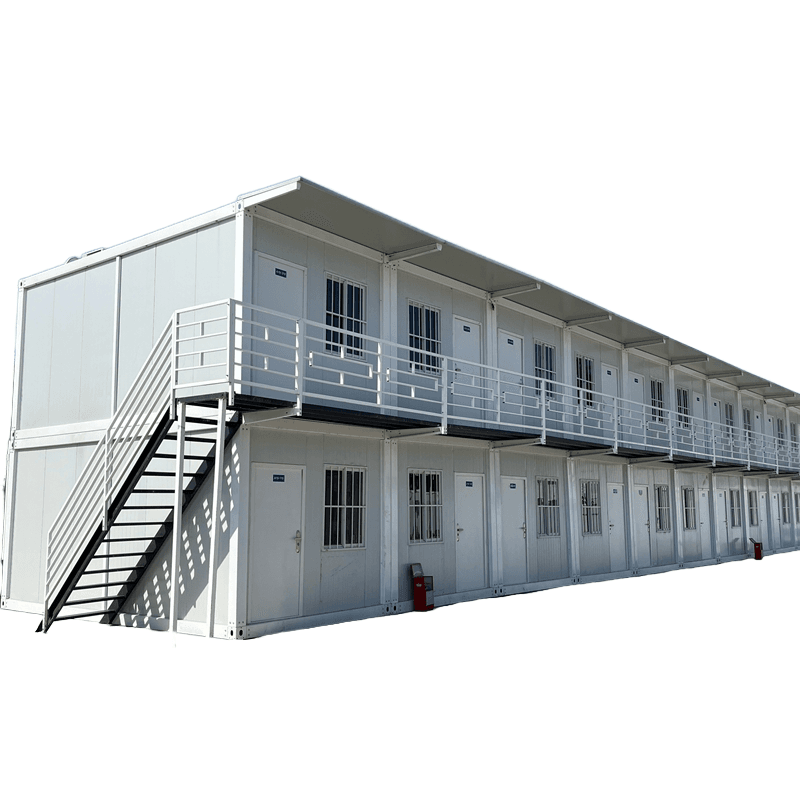
Directly Select Indoor Portable Toilet Products
There are numerous brands available on the market, such as Baitai, Mengyang, and Shiteng. They come in a wide variety of types, including portable toilets, container toilets, and eco-friendly toilets. In terms of materials, there are steel structures, color-steel, metal, and plastic options. These products are mainly used as outdoor toilets and eco-friendly toilets, but they can also be placed in community rooms according to actual needs. They have the advantages of relatively simple installation and strong portability, meeting the usage requirements in some temporary or specific scenarios.
Reposition the Toilet to Adjust the Layout
Toilet repositioning refers to the operation of changing the original installation position of the toilet, usually with the aim of optimizing the spatial layout, improving usability, or adapting to a new decoration style. Common repositioning methods are as follows:
- Use a toilet position shifter for short-distance adjustment: This method is suitable for situations where the repositioning distance is short. The operation is relatively simple, and the cost is low. However, the pipe diameter of the position shifter is small, which may increase the risk of poor drainage and blockage.
- Raise the floor and re-lay the pipes: By raising the floor and re-laying the drainage pipes, the toilet can be installed in a new position. This method can solve the problem of long-distance repositioning, but it will increase the floor height, affecting the overall sense of space in the room. Moreover, the construction is relatively complex, and the cost is high.
- Change to a wall-mounted toilet: Change the toilet's drainage method to a wall-mounted one, with drainage through the pipes inside the wall. This allows for more flexible adjustment of the toilet position. However, changing to a wall-mounted toilet requires modification of the wall, making the construction more difficult and potentially affecting the structural safety of the wall.
- Drill a new hole in the floor slab: This is a relatively extreme repositioning method that requires damaging the floor slab to re-lay the drainage pipes. This method has high construction risks, may affect the structural safety of the floor slab, and requires negotiation with the downstairs residents. It is generally not recommended.
It should be noted that toilet repositioning involves the modification of drainage pipes, which may increase the risk of blockage. Additionally, issues such as waterproofing and neighbor consultation need to be addressed. It is generally not advisable to easily carry out repositioning operations. Before repositioning, it is necessary to fully evaluate the toilet's drainage method (same-floor drainage or inter-floor drainage), the repositioning distance, and the construction conditions.



