
Container Houses on Commercial Housing Terraces
Whether placing container houses on the terraces of commercial housing is compliant depends on specific circumstances. If they constitute fixed living or activity spaces and have not obtained a construction project planning permit, they may be identified as illegal structures. The following is a detailed analysis:
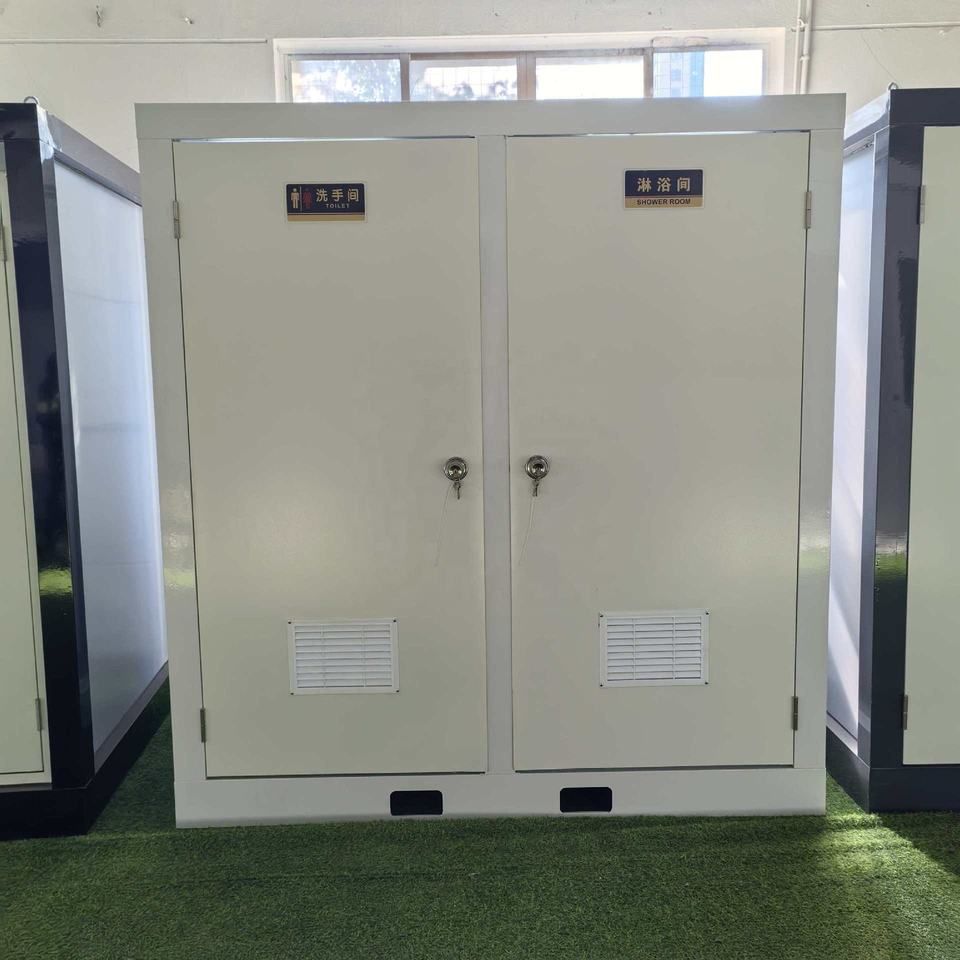
I. Core Criteria for Determining Illegal Structures According to relevant laws and practical cases, whether a container house is an illegal structure mainly depends on two factors:
- Whether it forms a fixed living or activity space: If the container has independent usable space, basic housing facilities such as doors and windows, and contains compartments with living items (e.g., beds, tables and chairs, kitchen and bathroom equipment), forming a function for long-term living or activities, it may be identified as a "fixed structure". For example, transforming a container into a bedroom, office, or lounge room and connecting it to utilities such as water and electricity is usually regarded as a fixed space.
- Whether a construction project planning permit has been obtained: According to the Urban and Rural Planning Law, any construction activity must obtain a planning permit in accordance with the law. If a container house is constructed without approval, even if it does not form a fixed space, it may still be identified as an illegal structure due to "construction without approval".
II. Special Cases Exempt from Permits Some regions implement a planning permit exemption system for small-scale renovation projects. For example, the List of Construction Project Planning Permit Exemptions in Dongguan clearly states that eligible small temporary facilities (e.g., tool sheds, storage rooms) are exempt from obtaining permits. However, the following conditions must be met:
- Size limitations: The floor area and height of the container house must comply with local exemption standards.
- Usage limitations: It must be used only for temporary, non-residential purposes (e.g., storage, equipment placement) and not as a long-term living space.
- Safety requirements: It must ensure structural safety, fire safety compliance, and not occupy public spaces or infringe on neighbors' rights.
III. Compliance Recommendations If homeowners plan to place container houses on terraces, they should consult local planning departments or urban management enforcement agencies in advance to confirm whether a permit is required. If approval is needed, design drawings and structural safety certificates must be submitted. If the project meets exemption conditions, relevant proof documents should still be retained for inspection. Additionally, it is important to avoid occupying public areas, affecting building structural safety, or violating fire safety regulations; otherwise, there may still be a risk of rectification or demolition.


