
Color Steel Shed Container House
The color steel shed container house is a temporary or semi-permanent building that combines color steel plates and container structures. It features easy construction, low cost, and strong mobility, and is widely used in areas such as construction site dormitories, commercial temporary buildings, and rural storage.
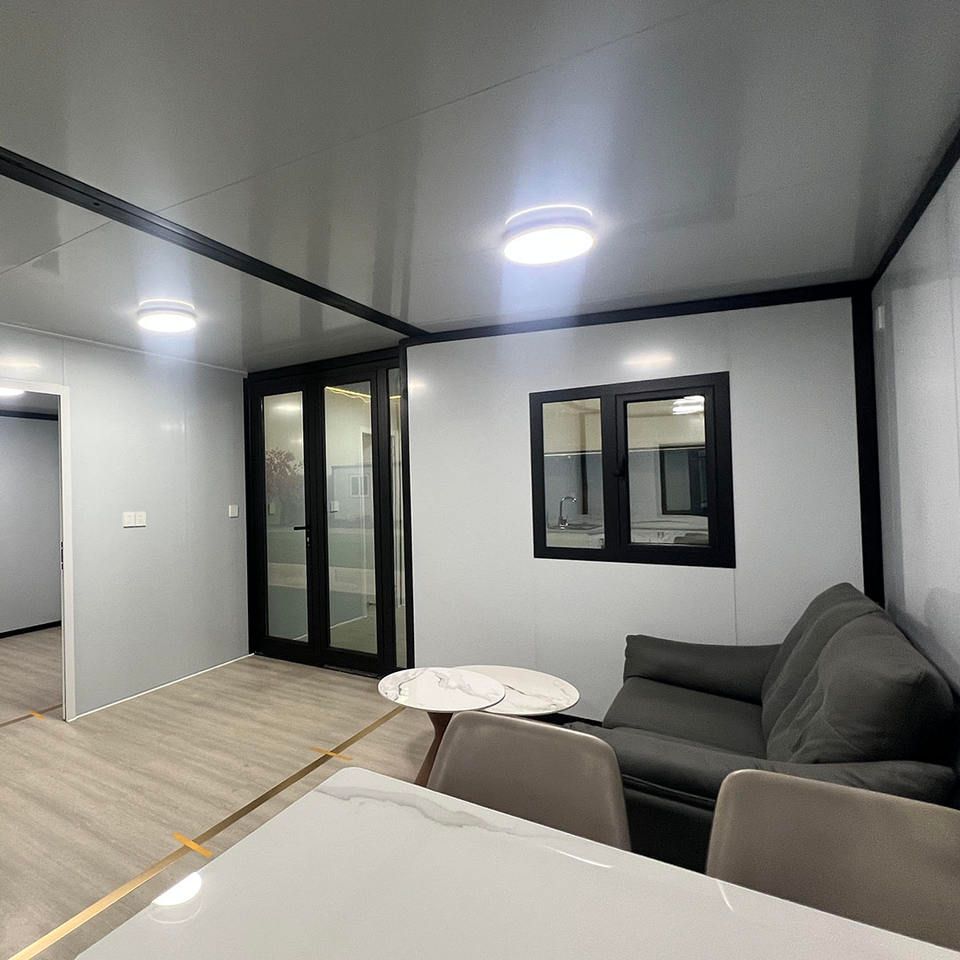
I. Structural and Material Characteristics
The color steel shed container house typically uses containers as the frame foundation, with walls and roofs made of color steel plates (composite of galvanized steel plates and polystyrene or rock wool sandwich panels). This structure combines the modular advantages of containers with the lightness of color steel plates. For example, the products of Baotou Xinxing Color Plate Steel Structure Manufacturing Co., Ltd. achieve factory prefabrication and rapid on-site installation through a combination of galvanized steel frames and rock wool sandwich panels, with construction errors controlled to within millimeters. Some companies also enhance structural stability and durability by adding C-shaped steel purlins and optimizing anti-corrosion coatings (such as zinc-rich primer + polyurethane topcoat), enabling the containers to remain stable even when stacked three layers high, with a service life of over 15 years.
II. Application Scenarios and Advantages
- Temporary Accommodation and Commercial Use: In scenarios such as construction sites and disaster areas, color steel shed container houses can serve as dormitories, offices, or shops. Their modular design supports rapid disassembly and reassembly, as well as repeated use. For example, the products of Suzhou Gansu Integrated Housing Technology Co., Ltd. can be shipped within 48 hours to meet urgent needs.
- Rural and Urban-Rural Fringe Areas: In some regions, they are used for storage, farm tool storage, or simple business premises, but compliance must be noted. For example, Danbei Town once carried out centralized rectification of containers around homesteads, and the handling of historical color steel shed issues should be based on specific illegal construction situations.
- Environmental Protection and Energy Efficiency Improvements: For northern climates, companies reduce indoor temperature fluctuations by about 40% through a three-layer structure (outer galvanized plate, middle rock wool insulation layer, inner PVC-coated steel plate) and a bottom elevated layer design, but window and door sealing must be strengthened to prevent condensation.
III. Compliance and Policy Risks
- Illegal Construction Identification: Unauthorized construction without planning permission may face demolition risks. For example, Tonggu Town once demolished 37 illegal color steel sheds, covering a total area of 1,300 square meters.
- Demolition Compensation: Rural color steel shed demolition compensation typically includes structural value, relocation fees, and temporary accommodation fees, with specific standards referring to local policies. For example, monetary compensation requires an assessment of factors such as area, structure, and location, while property rights exchange involves the government providing new housing.



