Coin-Operated Mobile Public Toilet
A coin-operated mobile public toilet is a type of public toilet that combines a coin-operated usage mechanism with mobile characteristics. Currently, there is no unified standard definition, but it can be comprehensively understood from the functional features of coin-operated public toilets and mobile public toilets.

Core Mechanism of Coin-Operated Public Toilets
The core of coin-operated public toilets lies in controlling access through coin insertion, which is common in some European countries. For example, coin-operated public toilets in France adopt a "self-cleaning + coin-operated queuing" model: users need to close the toilet door first, triggering an internal self-cleaning process (such as spraying disinfectant and flushing the toilet). After cleaning is complete, an external indicator light turns green, and only then can users insert coins to enter. This design ensures hygiene conditions while limiting usage frequency through the coin mechanism to avoid resource waste. Coin-operated public toilets in Lisbon, Portugal, focus more on fee management, with charges ranging from 10 cents to 1 euro, and only accepting coin payments. This model is common in tourist attractions or areas with high foot traffic, regulating usage demand through economic means.
Flexibility and Application Scenarios of Mobile Public Toilets
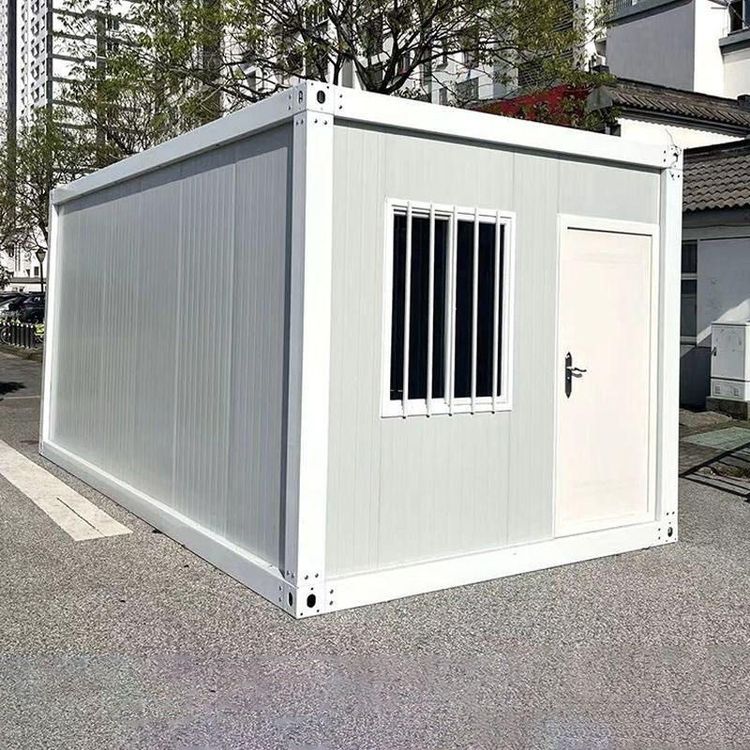
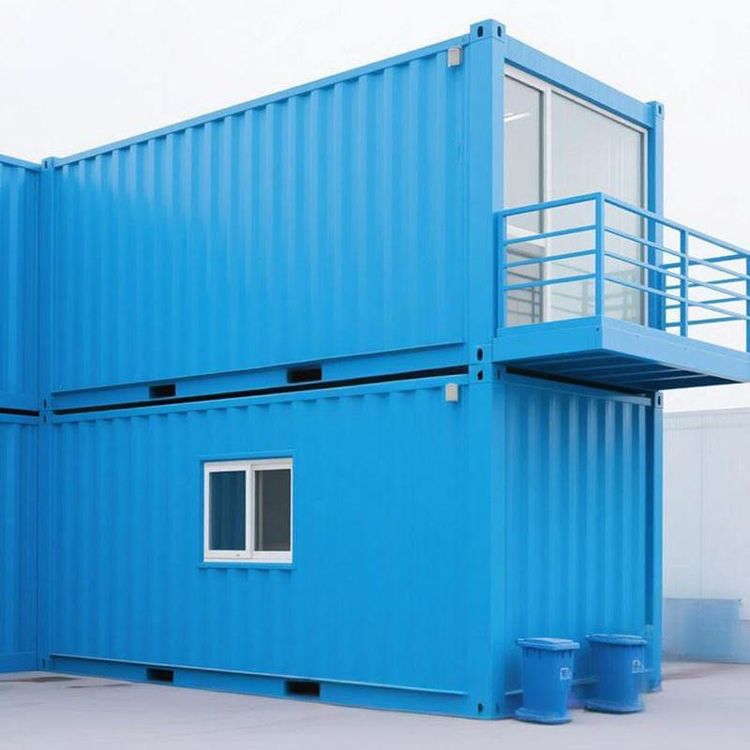
The core advantage of mobile public toilets lies in their "mobility." They are typically made of lightweight materials (such as plastic or aluminum alloy) and have a modular structure, facilitating quick installation, disassembly, and transportation. These toilets are commonly found in temporary scenarios, such as music festivals, sports events, construction sites, or natural disaster emergency responses. The internal configuration generally includes basic sanitary facilities like toilets, sinks, and paper towel dispensers, with some high-end models equipped with ventilation systems, lighting, and even barrier-free facilities. When using them, users do not need to insert coins but must follow simple operating steps (such as pressing the flush button and closing the door lock). For maintenance, regular cleaning, equipment status checks (such as water tank levels and pipe blockages), and timely repair of damaged parts are required.
Potential Integration Directions of Coin-Operated and Mobile Features
If the coin-operated mechanism is combined with mobile public toilets, two models may emerge: First, fee management in temporary scenarios, such as setting up mobile toilets at the entrance of music festivals and controlling usage frequency through coin insertion, both recovering costs and avoiding overcrowding. Second, long-term operation at fixed locations, such as mobile toilets near construction sites, restricting access by non-workers through coin insertion to reduce maintenance pressure. However, it should be noted that the frequent movement of mobile toilets may increase the risk of coin-operated equipment failure, necessitating the selection of durable coin recognition modules and the design of shock-resistant structures.