
Chongqing Mobile Toilet Storage
The storage treatment of mobile toilets in Chongqing mainly revolves around its fecal collection and harmless treatment system, achieving efficient storage and environmental protection goals through biodegradable materials, sealing devices, and modular design.
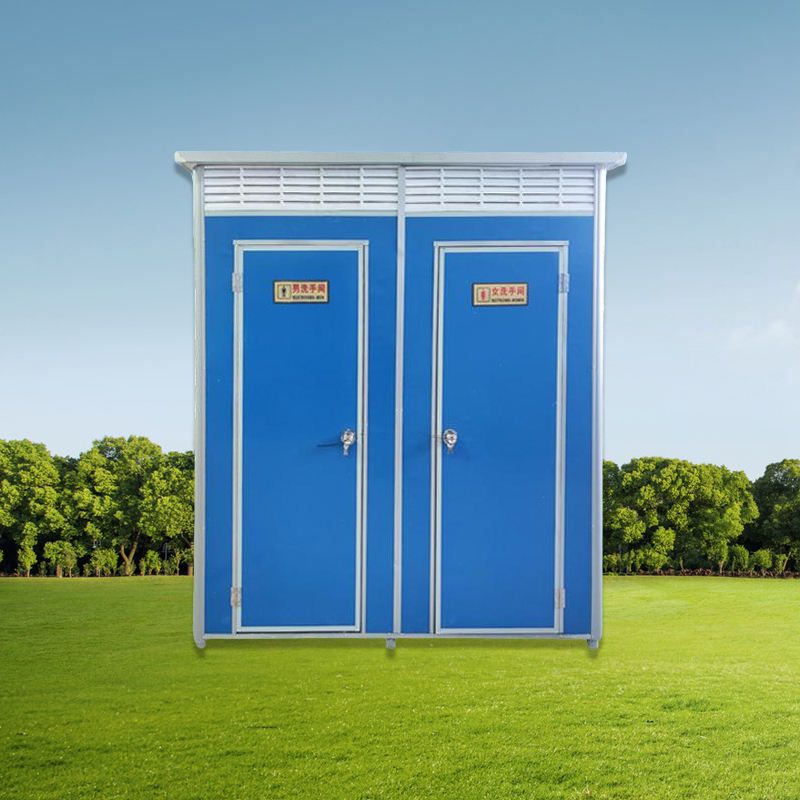
The core storage function of mobile toilets in Chongqing is reflected in the fecal treatment process. Taking the water-free packing mobile toilet as an example, it uses biodegradable plastic bags as the carrier for fecal storage. After users use the toilet, the equipment automatically seals the feces in the plastic bag and closes it, preventing odor diffusion and pollution leakage. This design not only reduces the dependence of traditional toilets on water resources but also lowers the difficulty of subsequent treatment through biodegradable materials, meeting environmental protection requirements. In addition, microbial degradation mobile toilets decompose feces into harmless substances (such as carbon dioxide and water) by adding specific bacteria strains. The storage container only needs to be regularly cleaned of residues, further simplifying the storage process.
From a structural perspective, the storage system of mobile toilets in Chongqing features modularity and portability. Its main frame is usually made of lightweight and high-strength materials (such as aluminum alloy or fiberglass-reinforced plastic). The internal storage devices (such as fecal storage tanks and degradation reactors) can be quickly disassembled and replaced, facilitating transportation and reuse. For example, in large-scale events or temporary construction sites, mobile toilets can be rapidly deployed through container-style transportation. The storage system moves along with the main body, eliminating the need to rebuild sewage pipes on-site and significantly improving usage flexibility.
Sealing and safety are other key characteristics of the storage system. All fecal storage containers are equipped with double-sealing devices (such as mechanical latches and rubber seals) to prevent leakage during transportation. Meanwhile, some high-end models are equipped with built-in gas purification systems that adsorb odors through activated carbon filtration or photocatalyst technology, ensuring a hygienic storage environment. In addition, the materials of the storage containers must comply with national environmental protection standards to ensure that biodegradable plastic bags or microbial bacteria strains do not cause secondary pollution to soil or water sources.
It should be noted that the storage capacity of mobile toilets in Chongqing is limited by the usage scenario and model. For example, the single-use storage capacity of water-free packing toilets is about 50 - 100 person-times, and the plastic bags need to be replaced regularly. The storage cycle of microbial degradation toilets can be extended to 3 - 6 months, but they require continuous replenishment of bacteria strains and nutrient solutions. Therefore, in practical applications, it is necessary to select appropriate models according to the traffic volume and usage duration to balance storage efficiency and maintenance costs.



