Chongqing Energy-Saving Mobile Toilet
There is currently no very specific and unified definition for energy-saving mobile toilets in Chongqing, but mobile toilets in Chongqing possess numerous eco-friendly and practical features in their design, some of which reflect energy-saving concepts.
Energy-Saving Design for Low-Temperature Environments
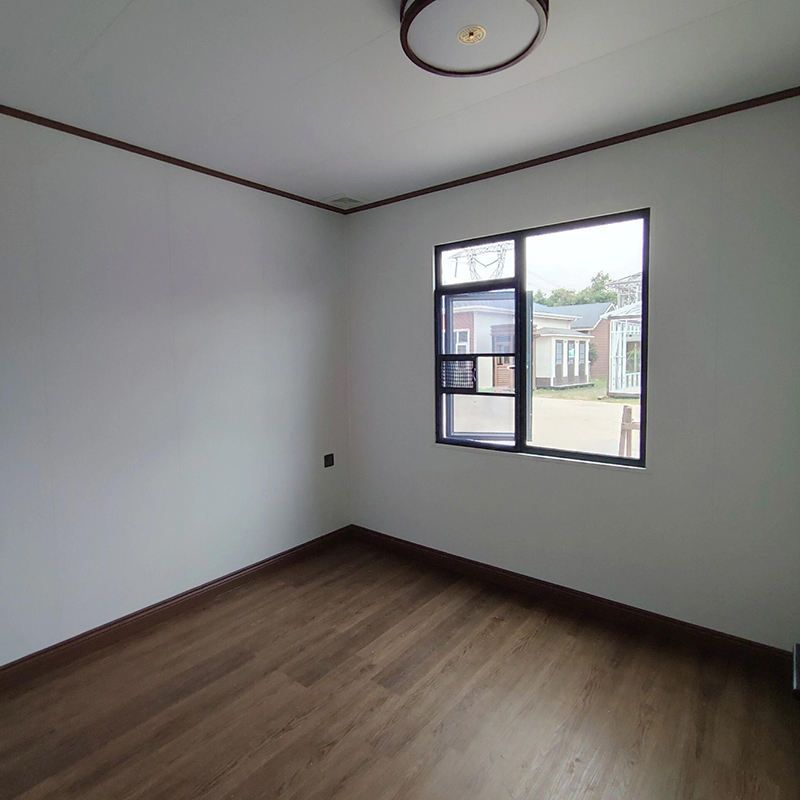
In some areas of Chongqing where winter temperatures are relatively low, certain mobile toilets are constructed using thermal insulation materials. These materials effectively reduce the loss of indoor heat, thereby lowering the energy consumption required to maintain a suitable temperature inside the toilet. Additionally, heating equipment is installed, which can be turned on as needed in cold weather to provide precise heating, avoiding energy waste caused by continuous heating over long periods. This design adapts to low-temperature environments, ensuring user comfort and indirectly reflecting an energy-saving design approach.
Eco-Friendly Treatment Technologies Contributing to Energy Conservation
There are eco-friendly mobile toilets that utilize microorganisms naturally present in soil to decompose feces. This treatment method does not require large amounts of water for toilet flushing and feces treatment, significantly reducing water consumption compared to traditional toilets that rely on copious amounts of clean water for flushing and complex sewage treatment systems. Moreover, the microbial decomposition process is natural and efficient, eliminating the need for additional energy to power complex treatment equipment, thereby reducing energy usage and achieving the dual goals of energy conservation and environmental protection.
Diverse Material and Flushing Method Options
Mobile toilets in Chongqing are made from a variety of materials, including stainless steel, steel structures, and plastics. Different materials have varying energy consumption levels during production, use, and maintenance, and selecting materials rationally can reduce energy costs to a certain extent. In terms of flushing methods, there are multiple options such as manual, foot-pedal, automatic, and push-button flushing. Manual and foot-pedal flushing methods allow users to control the amount of water flushed based on actual usage, avoiding unnecessary waste. Although automatic flushing is convenient, some advanced automatic flushing systems employ intelligent sensing technology to accurately detect user behavior and provide appropriate flushing, also achieving energy-saving effects. Push-button flushing similarly enables users to control the water volume according to their needs, providing users with various options for energy-saving use.