Environmental Protection Grades of Mobile Toilets in China
The environmental protection grades of mobile toilets in China are reflected in multiple aspects, including emission standards, sewage treatment methods, material selection, technical design, and sanitary ware standards, forming an efficient, clean, and sustainable environmental protection system.

1. Emission Standards The chassis vehicles of mobile toilets must comply with the China VI emission standards, which impose strict limits on pollutants such as carbon monoxide, nitrogen oxides, and particulate matter. By reducing the concentration of harmful substances in exhaust gases, these standards ensure that the impact on the external air environment during equipment operation is minimized, thereby reducing pollution emissions at the source.
2. Sewage Treatment Methods
- Circulating Water Flush Type: This method employs multi-stage physical filtration and biochemical disinfection technologies to treat sewage, achieving a closed-loop water circulation system. It reduces freshwater consumption and sewage discharge, making it suitable for scenarios with high water demand.
- Packaging and Degradation Type: This approach uses biodegradable films to seal excreta, achieving "zero water consumption and zero discharge" and preventing secondary pollution. It is ideal for water-scarce or ecologically sensitive areas.
- Microbial Degradation Type: This method utilizes microbial communities to decompose excreta, with the final products being carbon dioxide, water vapor, and a small amount of inorganic residue. It requires no water flushing or chemical agents, highlighting its environmental friendliness.
- Foam Sealing and Water-Saving Flush Types: These methods reduce water consumption by optimizing water flow design or using foam sealing technology, meeting water-saving and environmental protection requirements.
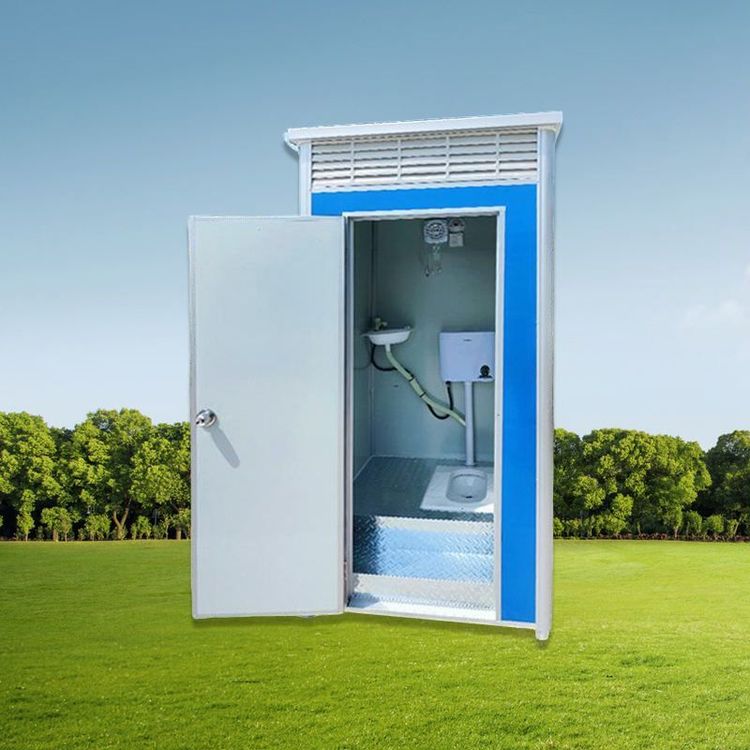
3. Material Selection For exterior wall materials, environmentally friendly options such as color-coated steel plates, metal carved panels, and stainless steel plates are preferred. The main structure is constructed using national standard light steel keel welding, reducing construction waste generation. Internal components like color-coated steel plates and sound insulation cotton also comply with environmental protection standards, minimizing the potential environmental impact of materials.
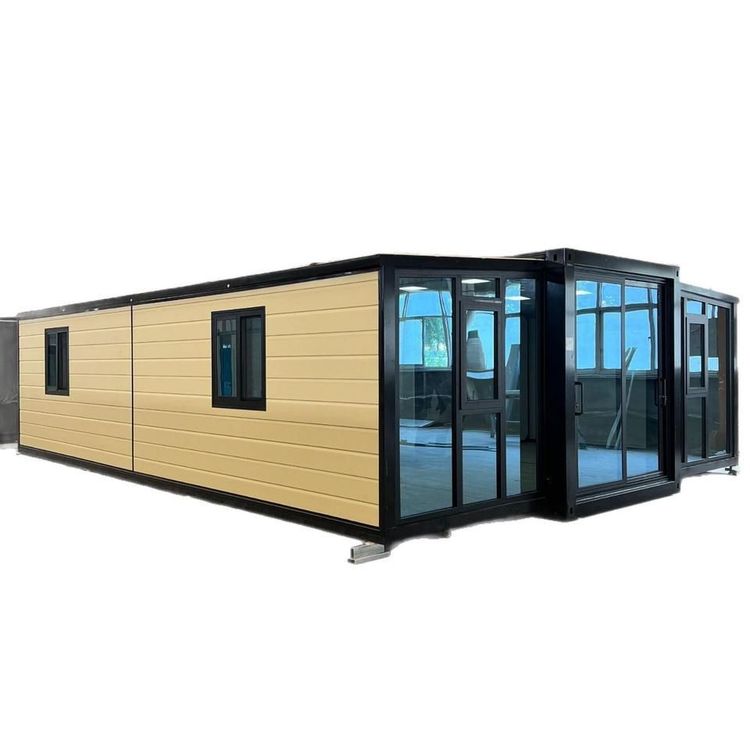
4. Technical Design Modular design supports rapid installation and disassembly, avoiding resource waste associated with the demolition of traditional toilets. Long-term leasing models reduce repeated construction, enhancing resource utilization efficiency. These design concepts optimize the environmental performance of mobile toilets from a full life-cycle perspective.
5. Sanitary Ware Standards Water-flush toilets should adopt sensor-based or mechanical water-saving flush valves, while non-water-flush toilets should be equipped with automatic or touch-free mechanical cleaning devices to reduce water waste. Hand-washing facilities must be equipped with soap dispensers and hand-drying devices to further reduce water demand.
Through the aforementioned technical and management measures, mobile toilets in China have formed a comprehensive environmental protection grading system that can adapt to sanitation service needs in various scenarios while achieving efficient resource utilization and environmental friendliness goals.