China Mobile Prefabricated Housing
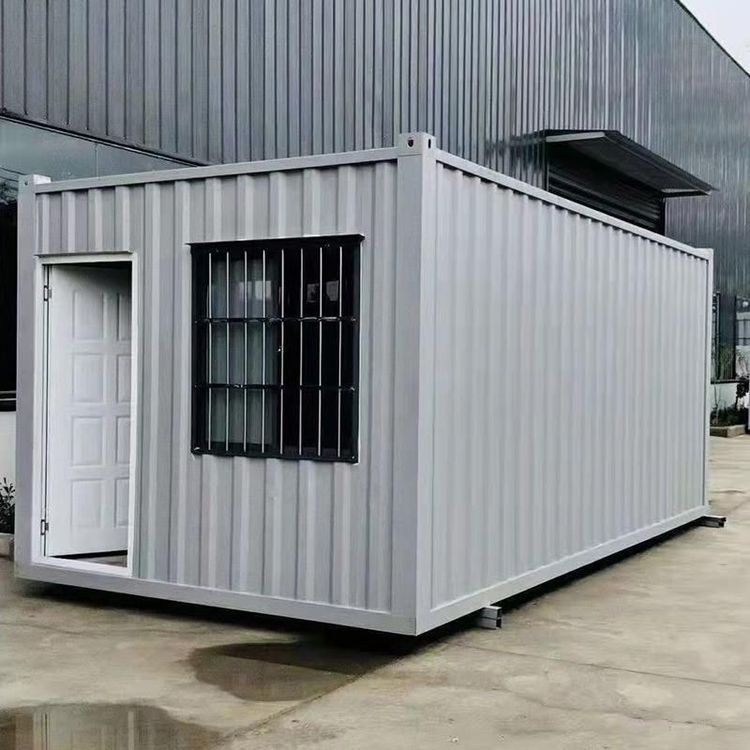
China's mobile prefabricated housing primarily involves the production and application of modular buildings and prefabricated houses, characterized by efficiency, flexibility, and environmental friendliness.

Modular buildings represent a higher level of integration within prefabricated construction. Their core lies in dividing a building into multiple independent modules, with components such as ceilings, floors, and water and electrical pipelines manufactured in a factory before being transported to the site for assembly. For example, the China Construction Hailong Intelligent Construction Industrial Park in Shenzhen, Guangdong, has an annual delivery capacity of 20,000 to 30,000 modular buildings. Through standardized production processes, these buildings reduce construction periods by over 60% compared to traditional construction. Data from Shenzhen Customs shows that in the first four months of this year, enterprises across the country exported movable houses worth 1.68 billion yuan through Shenzhen ports, a year-on-year increase of 19.6%, covering more than 150 countries and regions, demonstrating the widespread application of modular buildings in the international market.
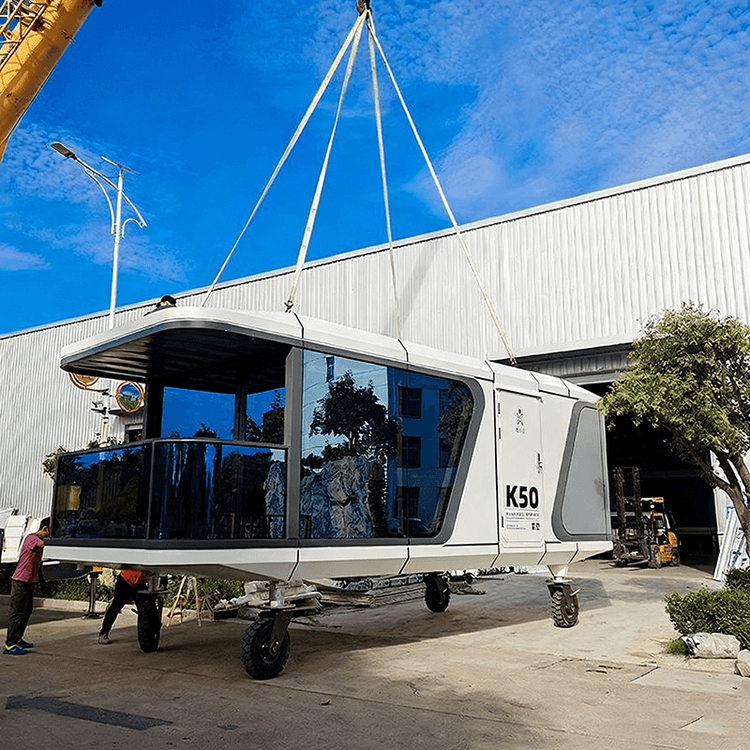
Prefabricated houses, exemplified by double-decker Apple Pods, complete their production processes in factories, including welding the main frame, filling walls, interior and exterior decoration, installing doors and windows, and pre-embedding water and electrical systems. Upon leaving the factory, they are complete movable houses. These houses feature steel structural frames, with metal or composite material finishes on the exterior, and integrated insulation, heat insulation, and water and electrical systems inside. Manufacturers can adjust the appearance, layout, and functions according to customer needs, meeting diverse scenario requirements.
Prefabricated and mobile houses are two core concepts in the modern construction industry. Prefabricated houses reduce on-site operations through factory production, offering advantages such as short construction periods, high resource utilization, and low environmental pollution, suitable for various building types including residences, schools, and hospitals. Mobile houses, as a subset of prefabricated houses, emphasize mobility, equipped with chassis, axles, and other devices, widely used in temporary offices, construction site dormitories, emergency shelters, and tourist camps. In the first half of 2026, China's total exports of prefabricated buildings reached 2.79 billion US dollars, a year-on-year increase of 45%, with movable houses exported through Shenzhen ports amounting to 2.45 billion yuan, highlighting the rapid development of the industry.