China Marine Container Houses
China's marine container houses demonstrate significant advancements in business, applications, modification technologies, and industry trends.

Business Areas: CIMC leverages its container manufacturing experience to introduce standardized concepts into the construction sector, pioneering a new modular building form. Its modular building system integrates structural, mechanical, electrical, decorative, and smart systems, with over 90% of components prefabricated in factories. These are transported to the site via sea-land combined transportation and rapidly assembled for immediate occupancy. The system provides one-stop steel-structured integrated modular building solutions for hotels, apartments, schools, medical facilities, and public housing, significantly enhancing construction efficiency and quality.
Application Practices: A notable example is CIMC Modular Building Investment Co., Ltd.'s transitional housing project in Hong Kong. Nearly 3,600 transitional units were built over two years, covering a total area of over 70,000 square meters with more than 4,000 modules, benefiting over 10,000 households. The Ma On Shan Lok Wo Sha Lei project, for instance, features a 4-story building with 436 transitional units, incorporating open kitchens and independent bathrooms. Expected to be completed by the end of 2023, it will accommodate approximately 1,200 grassroots citizens, effectively alleviating housing pressure.
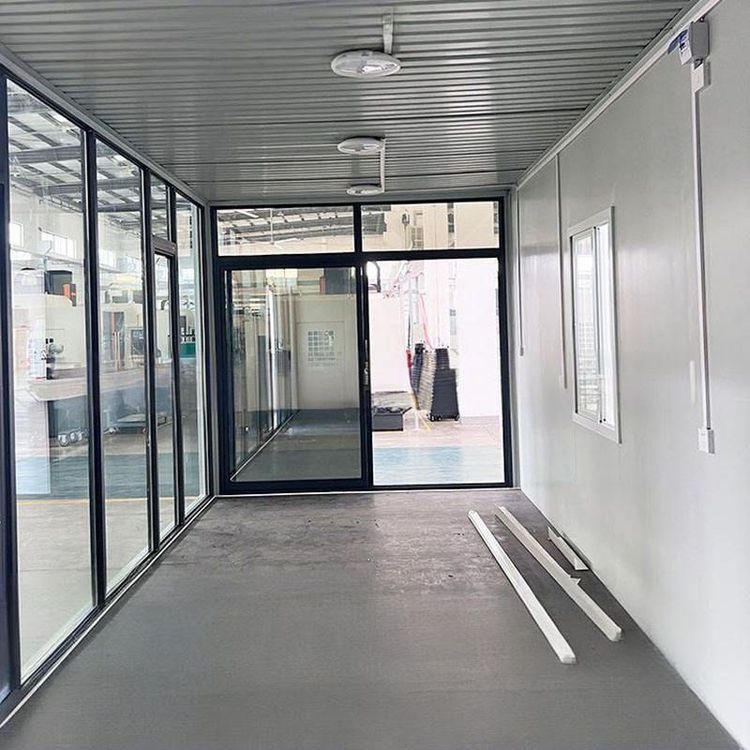
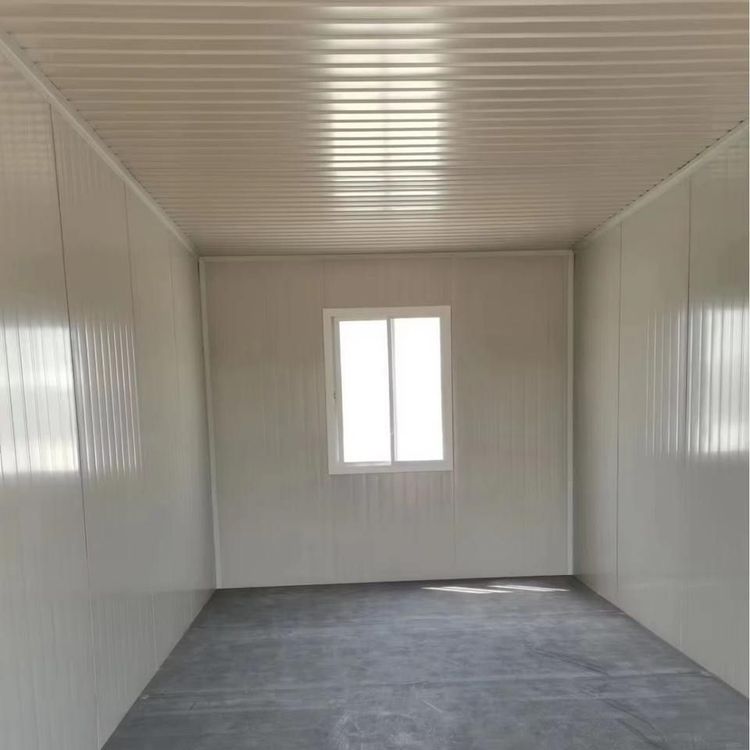
Modification Technologies: Second-hand container house manufacturers have formed a complete industrial chain, focusing on container selection, structural assessment, modification design, and construction. Key tasks include inspecting wall thickness, corner component integrity, and floor load-bearing capacity. The modification process involves cleaning and rust removal, window cutting, adding insulation layers (such as rock wool or polyurethane foam), and electrical wiring, which must comply with building codes. Some manufacturers offer customizable interior layouts, with a typical design lifespan of 10 to 20 years, balancing cost-effectiveness and practicality.
Industry Trends: Standardized modifications and modular designs are becoming mainstream, improving product consistency and ease of component replacement. Environmental regulations are driving the adoption of eco-friendlier coatings and insulation materials to reduce harmful emissions. For example, four second-hand marine containers can be transformed into a two-story building within 20 days, using plasma cutters to connect containers and forklifts for assembly, resulting in a seismic-resistant structure that embodies technological innovation and sustainable development.