
Chengdong Container House Dawuji
No publicly available information directly related to 'Chengdong Container House Dawuji' was found. The following provides a general introduction to the common types, application scenarios, and selection suggestions for container houses:
Common Types of Container Houses
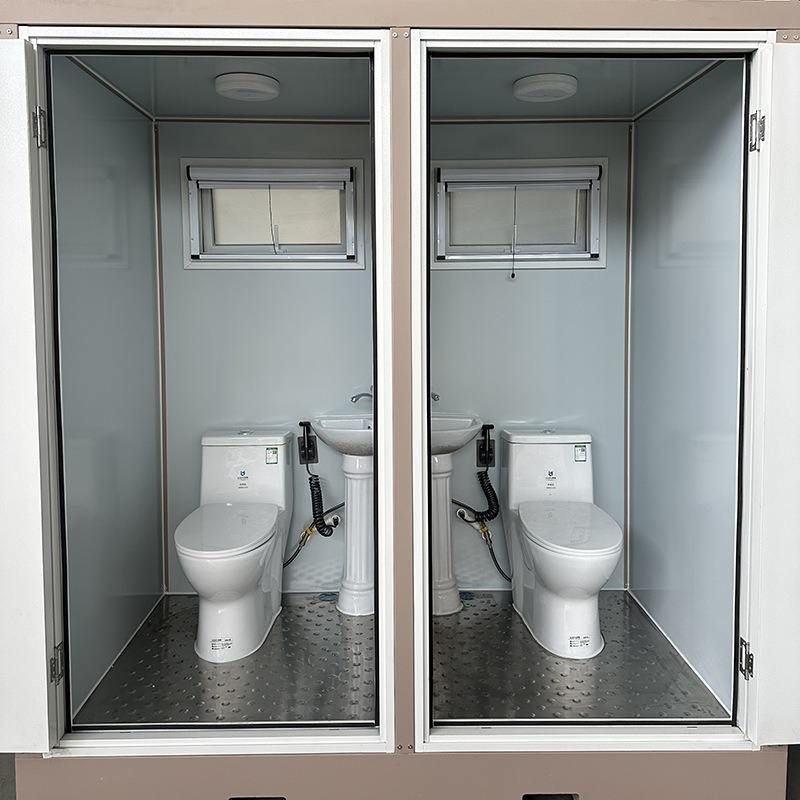
Container houses are mainly divided into two categories: standard container-modified houses and customized container houses. Standard container-modified houses are typically based on discarded or idle shipping containers. Through processes such as cutting, welding, and reinforcement, doors, windows, insulation layers, and interior decorations are added to create habitable or usable spaces. These houses have lower costs and shorter construction periods, making them suitable for temporary or low-cost demand scenarios. Customized container houses, on the other hand, are designed according to specific needs. Multiple container modules can be combined to form larger spaces or complex structures, with more flexible interior layouts and functions. They are commonly used in high-end temporary offices, commercial exhibitions, or characteristic homestays.
Application Scenarios of Container Houses
Container houses have a wide range of application scenarios due to their strong mobility, rapid construction, and environmental sustainability. For example, they can serve as temporary dormitories or offices on construction sites, allowing for relocation with project progress; as emergency shelters in post-disaster reconstruction, quickly providing living spaces; as characteristic homestays or cafes in tourist attractions, attracting tourists to experience; and as temporary exhibition halls or sales kiosks in commercial activities, allowing for flexible arrangements. Additionally, some creative designs use container houses as permanent residences, creating personalized living spaces through stacking and staggered arrangements.
Suggestions for Selecting Container Houses
When selecting container houses, it is essential to pay attention to key factors such as structural safety, thermal insulation performance, and ventilation and lighting design. In terms of structure, ensure that the container body has no severe corrosion or deformation and that the welds are firm; thermal insulation can be achieved by adding materials such as rock wool boards or polyurethane foam; ventilation and lighting require reasonable planning of door and window positions or the addition of skylights and exhaust fans. Furthermore, it is necessary to consider local planning permits, fire safety requirements, and other regulations to ensure legal and compliant use.



