
Back to blog
Article
Chengde Environmental Protection Mobile Toilet Installation
Admin October 02, 2026
The installation of environmental protection mobile toilets in Chengde should be systematically carried out from four aspects: planning, installation, transportation connection, and maintenance. The specific key points are as follows:
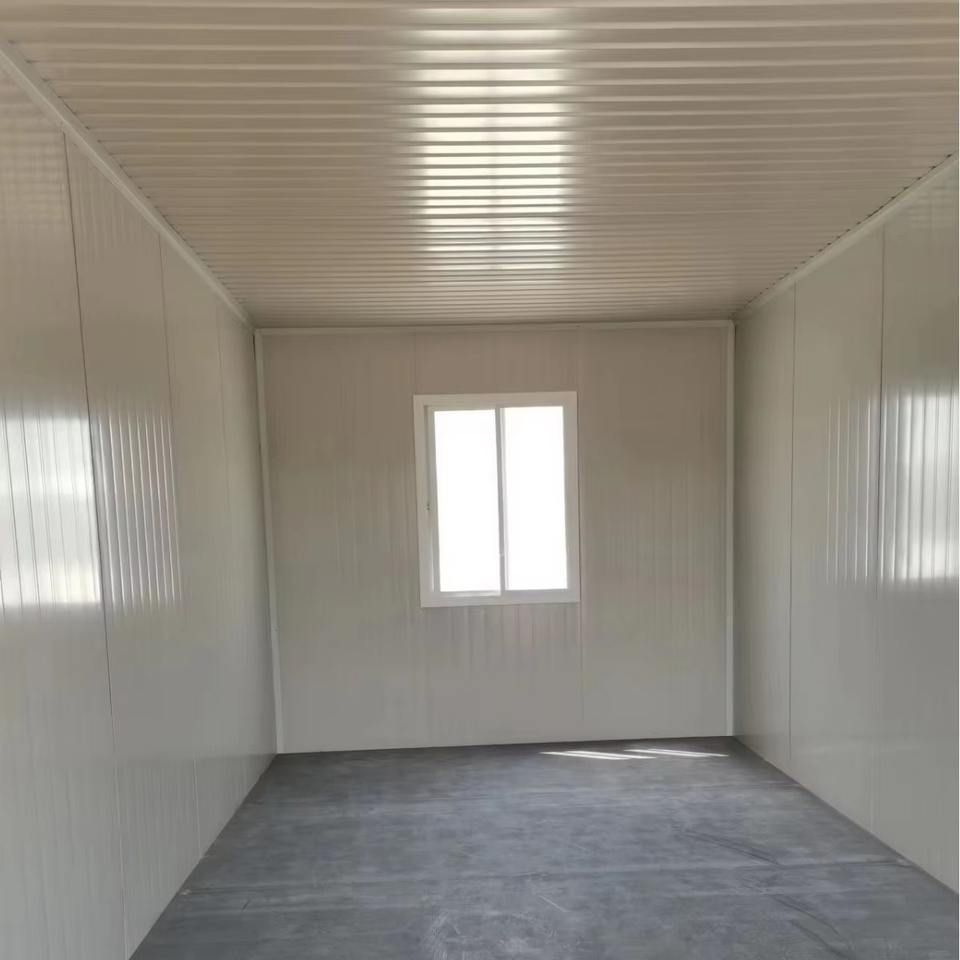
I. Pre-installation Planning
- Determine the Installation Location: It is necessary to comprehensively evaluate factors such as pedestrian traffic, accessibility, and environmental impact. For example, in the vicinity of popular scenic spots in Chengde, areas with open terrain and good drainage should be selected, avoiding low-lying areas prone to waterlogging. At the same time, it should be ensured that the location complies with local planning requirements and does not occupy public passageways or affect traffic safety.
- Select the Type and Quantity: Match the model according to the usage scenario. As a tourist city, Chengde is recommended to prioritize the use of multi-stall mobile toilets to improve usage efficiency. The number of toilet stalls should be calculated based on one stall per 100-200 people. If serving special groups (such as the elderly and disabled people), models with barrier-free facilities should be added.
II. Key Points during the Installation Process
- Foundation Construction: Mobile toilets need to be placed on flat and solid ground. In the mountainous areas of Chengde, special attention should be paid to reinforcing the foundation. For example, on slopes or soft soil foundations, stability should be enhanced by pouring concrete foundations or laying steel plates to prevent toilet tilting or structural damage due to ground settlement.
- Sewage System Connection: Choose the treatment method according to the type of toilet. Water-flush direct-discharge toilets need to be connected to the municipal sewage pipeline, and the pipeline slope should meet the drainage requirements. Independent septic tank toilets need to reserve a cleaning port for regular sludge removal to avoid overflow and environmental pollution.
III. Transportation and Installation Connection
- Pre-transportation Preparation: It is necessary to survey the transportation route in advance, evaluate road width, turning radius, and height limit requirements to avoid equipment blockage due to narrow roads. When using a flatbed truck for transportation, the toilet structure should be fixed with straps to prevent shifting or collision damage during transportation.
- On-site Installation: After the toilet arrives, the flatness of the site should be confirmed again. If necessary, the ground should be compacted with a road roller or a base plate should be laid. After unloading, adjust the angle of the toilet with a level to ensure accurate connection between the sewage outlet and the pipeline or septic tank. Finally, conduct water and electricity tests to verify normal functionality.
IV. Maintenance and Cost Control
- Regular Maintenance: Clean and disinfect daily. In winter, add an insulation layer to prevent pipeline freezing and cracking. Arrange for special personnel to inspect components such as door locks and flushing systems, and replace damaged parts in a timely manner to extend the service life.
- Cost Budget: The installation cost per stall is approximately 5,000 to 10,000 yuan (including equipment, transportation, and foundation construction). The subsequent maintenance cost is approximately 500 to 1,000 yuan per year, with specific fluctuations depending on the model and regional differences.
Through scientific planning and standardized operations, environmental protection mobile toilets can effectively improve the level of public facilities services in Chengde, taking into account both environmental protection needs and user experience.
Related



