
Characteristics of Factory-Prefabricated Houses
The characteristics of factory-prefabricated houses are mainly reflected in aspects such as short construction periods, controllable quality, energy efficiency and environmental protection, ease of maintenance, strong adaptability, and controllable costs.
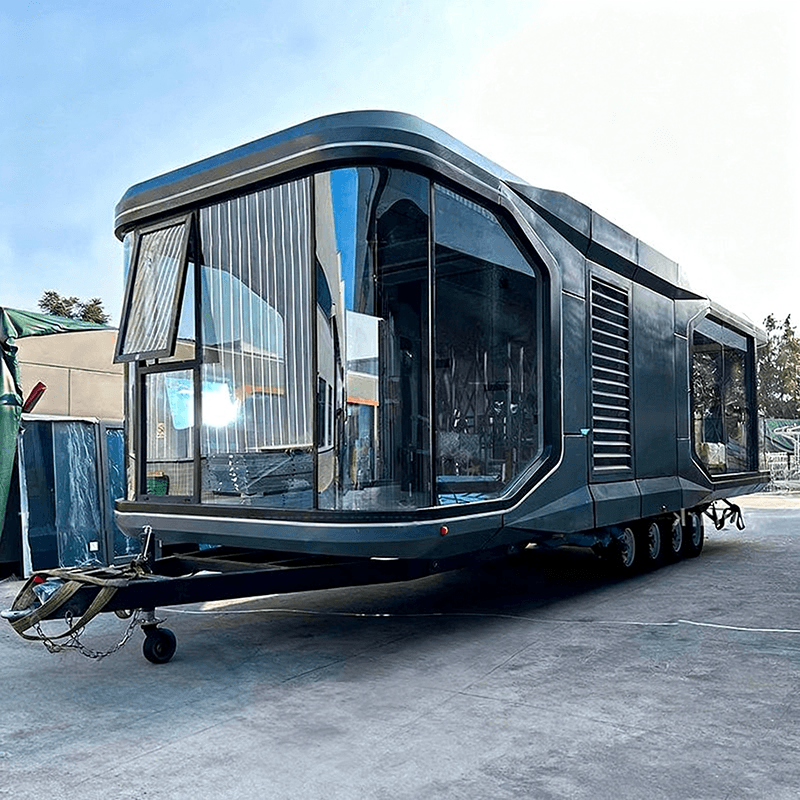
Short Construction Periods: Factory-prefabricated houses complete multiple processes simultaneously within the factory, leveraging automated vertical warehouses and intelligent production lines to significantly enhance construction efficiency. Compared to traditional buildings, the construction period can be shortened by over 60%. For example, in the Shenzhen affordable housing project, the completion and delivery time was reduced from 2.5 to 3 years to just 1 year, with a reduction in on-site labor by approximately 50%. A 100-square-meter prefabricated house may take only 1-2 months to complete, whereas a traditional brick-and-mortar house may require more than 6 months.
Controllable Quality: The factory production environment is stringent, with components manufactured under controlled conditions. Each component undergoes strict quality control during production, with precise positioning of each steel bar and millimeter-level control over errors and precision, effectively improving the overall quality of the building.
Energy Efficiency and Environmental Protection: The production process reduces dust, noise, and waste pollution associated with on-site construction. Many prefabricated houses use lightweight steel, wood, or other recyclable materials, aligning with green building principles. Some high-end prefabricated residences also integrate solar panels, insulation materials, and intelligent energy-saving systems to further reduce energy consumption, with their excellent insulation performance also reducing energy use.
Ease of Maintenance: The modular design approach of the buildings makes each part relatively independent and easy to disassemble, providing convenient conditions for later maintenance and inspection. When a component has a problem, it can be quickly located and replaced or repaired.
Strong Adaptability: Factory-prefabricated houses offer a high degree of flexibility, allowing users to customize the house layout according to their own needs. Moreover, they can be disassembled and reassembled at other locations in the future. Container houses and lightweight steel structures are particularly suitable for scenarios requiring frequent relocation, such as tourist homestays and construction site dormitories.
Controllable Costs: Factory production optimizes material and labor costs, with standardized production reducing material waste and modular design lowering the complexity of on-site construction. According to market conditions, the construction cost of ordinary prefabricated houses is typically between 1,000 and 3,000 yuan per square meter, far lower than the cost of traditional high-end residences (over 5,000 yuan per square meter).



