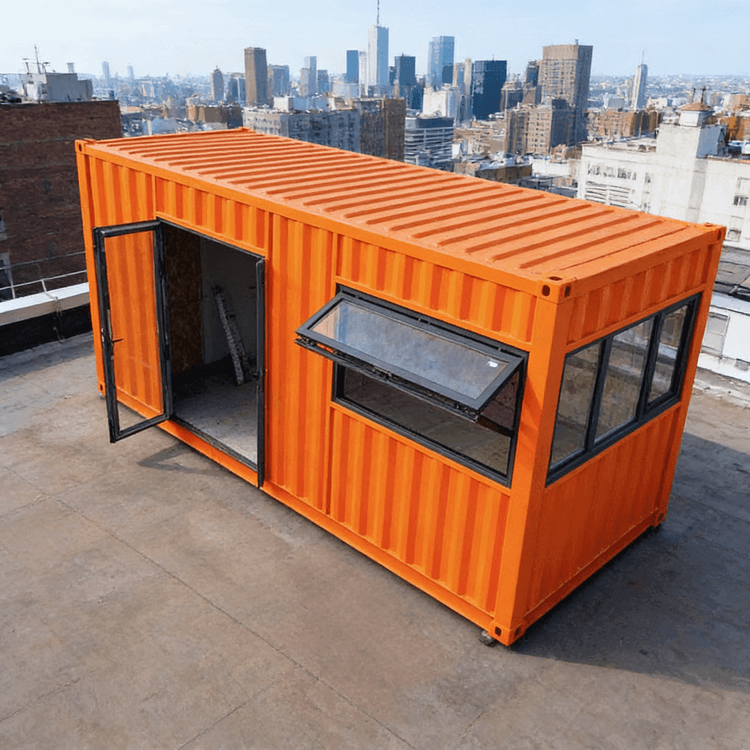
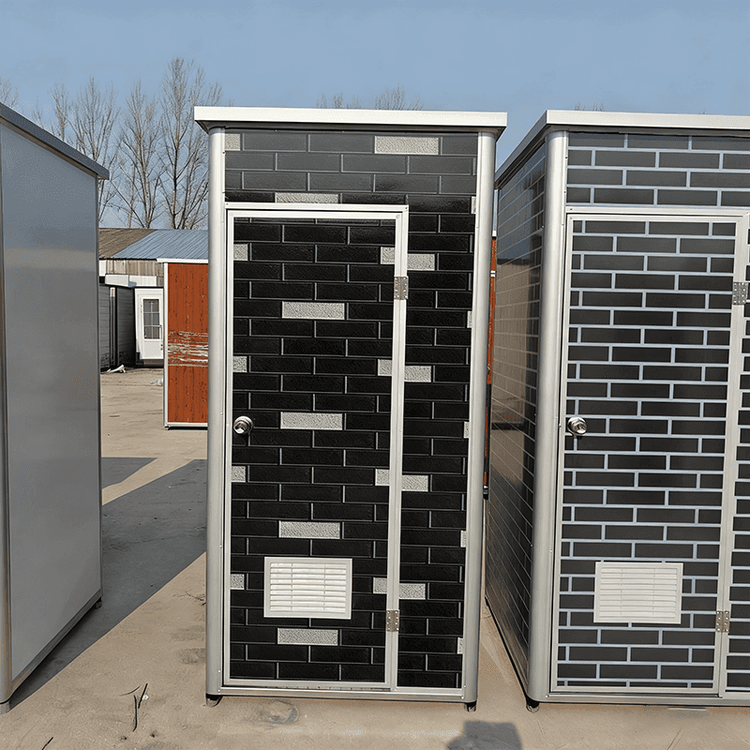
Chaoyang Marathon Portable Toilet
The rental service for portable toilets at the Chaoyang Marathon ensures the event's needs are met through scientific planning and advanced equipment, covering aspects such as deployment calculation, facility configuration, site selection and layout, transportation and installation, and environmental protection measures.

1. Basis for Deployment Calculation
The deployment of portable toilets needs to take into account the total number of participants, the population density along the racecourse, and the usage frequency of participants. The starting area has the highest density of toilets due to the concentrated flow of people. Along the way, toilets are set up in segments every 2 to 3 kilometers based on the location of refreshment stations and the flow of participants. The finishing area needs to meet the needs of both the finishers and the staff. For example, a large-scale event may have hundreds of portable toilets at the starting point, while refreshment stations along the way may have one toilet for every 50-100 participants.
2. Facility Configuration Standards
Modern portable toilets are equipped with independent waste storage tanks, ventilation devices, and disinfection facilities. The capacity of the waste storage tanks matches the expected number of users. Biodegradable enzymes are used to accelerate waste decomposition and suppress odors. Some models use water-saving flushing systems or waterless collection designs, consuming only one-third of the water used by traditional toilets. The toilets are equipped with hand sanitizer or automatic induction sprays to reduce the risk of contact transmission. Cleaning teams conduct round-the-clock cleaning and waste removal for high-frequency usage units based on real-time monitoring data.
3. Site Selection and Layout Principles
Toilet locations should avoid the main racecourse and emergency rescue channels and be close to refreshment stations or medical stations for unified management. The layout combines clustered and dispersed arrangements: large-scale clusters are used at the starting and finishing points, while small dispersed points are set up every 2 to 3 kilometers along the racecourse. The location selection should consider terrain drainage conditions, and sufficient space for queuing and passage should be reserved between toilet clusters to avoid congestion.
4. Transportation and Installation Process
Portable toilets are usually transported to designated locations at night before the event. Installation includes leveling and fixing, connecting temporary interfaces to the sewage pipes, adding degrading agents, and posting usage instructions. The installation team needs to complete all work within the racecourse closure window and reserve time for equipment function checks. The post-event removal process is quick and orderly, with priority given to removing equipment along the racecourse to restore road traffic.
5. Environmental Protection Measures
Waste is entrusted to professional environmental protection units for treatment. After disinfection and separation, some substances are converted into raw materials for organic fertilizers. The toilet shells are mostly made of recyclable panels to reduce the consumption of disposable building materials. Some new models use waterless collection designs to further reduce resource consumption.
Service Provider Information: The rental service for portable toilets at the Chaoyang Marathon is provided by Chengxu Portable Toilet Rental Factory (Phone: 15869566911), Changjiu Portable Toilet Rental and Sale, and other companies.