
Changzhou Scenic Area Mobile Toilet Design
Several enterprises in Changzhou offer professional solutions for mobile toilet design in scenic areas, with a comprehensive consideration of functionality, aesthetics, and practicality.
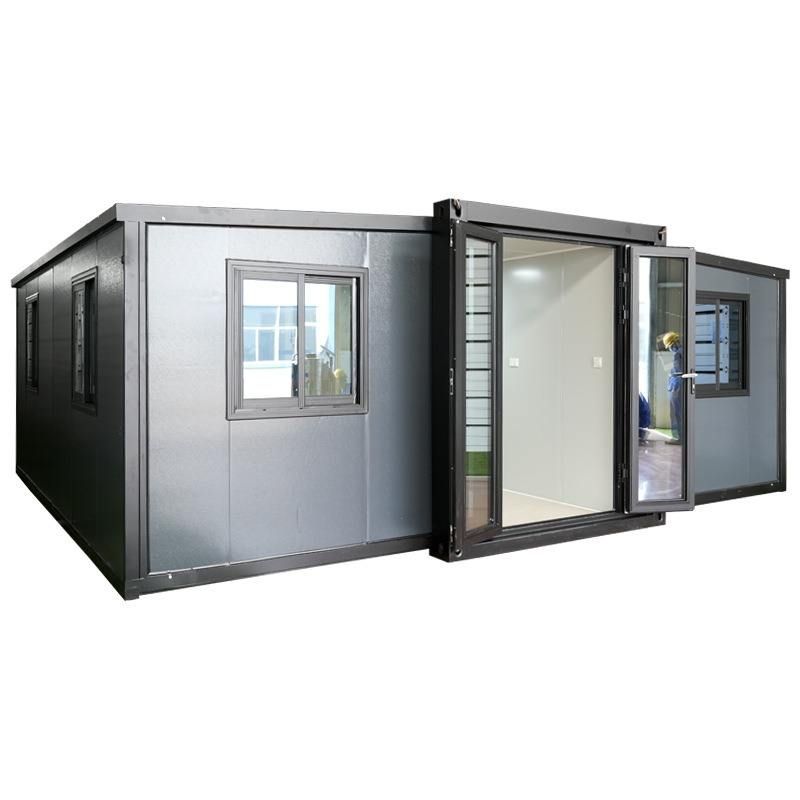
I. Enterprise Design Capabilities and Product Features
Changzhou Runlong Environmental Protection Technology Co., Ltd.
- Customized Design: Provides tailored solutions based on the cultural characteristics of scenic areas, integrating local culture into both appearance and functional design. For example, customized wooden structures can match natural landscapes, while glass door designs enhance light transmission and improve user experience.
- Modular Configuration: The selection of mobile toilets for scenic areas should consider factors such as tourist traffic, site conditions, and water and electricity supply. Planning for peak and off-peak seasons, fixed and temporary locations, and flush and waterless types should be done in advance. Options include trailer-mounted, packaged, foam, or microbial types.
- Durability and Convenience: Utilizes stainless steel (fire-rated A, corrosion-resistant) with rollers at the bottom to adapt to outdoor terrain. Stone-plastic panel interior walls are clean and odorless, with numbered compartments for orderly management, meeting the needs of multiple users during peak times.
Suzhou Duomai Public Facilities Co., Ltd.
- Material and Craftsmanship: Uses metal carved panels, supporting customized shapes with adjustable dimensions of 642.8m, suitable for the dual demands of aesthetics and practicality in scenic areas.
Changzhou Shijie Environmental Protection Technology Co., Ltd.
- Full-Process Services: As a professional enterprise in environmental protection equipment, it offers integrated services of design, research and development, manufacturing, and sales. Its products emphasize safety and health standards, suitable for scenic areas with high environmental performance requirements.
II. Core Design Considerations
- Functional Adaptability: Choose toilet types based on tourist traffic in scenic areas (e.g., trailer-mounted for temporary high-traffic scenarios, microbial for water-scarce regions), and configure independent restrooms and clear signage to improve usage efficiency.
- Environmental Integration: The appearance should harmonize with the natural or cultural landscapes of the scenic area, such as wooden structures and glass door designs enhancing visual harmony.
- Operational and Maintenance Convenience: Select corrosion-resistant materials (e.g., stainless steel) and easy-to-clean interior walls (e.g., stone-plastic panels) to reduce long-term maintenance costs; modular design supports rapid deployment and mobility.
- Safety and Compliance: Fire resistance should meet Class A standards, complying with outdoor public facility safety regulations; sewage disposal methods should match local environmental requirements (e.g., microbial treatment to reduce pollution).
III. Future Trends
By 2026, mobile toilet design in scenic areas will focus more on intelligence (e.g., automatic resource adjustment based on tourist traffic monitoring), ecology (widespread use of microbial degradation technology), and humanization (barrier-free facilities, parent-child compartments). Enterprises need to prepare for technological upgrades and customized service capabilities in advance.


