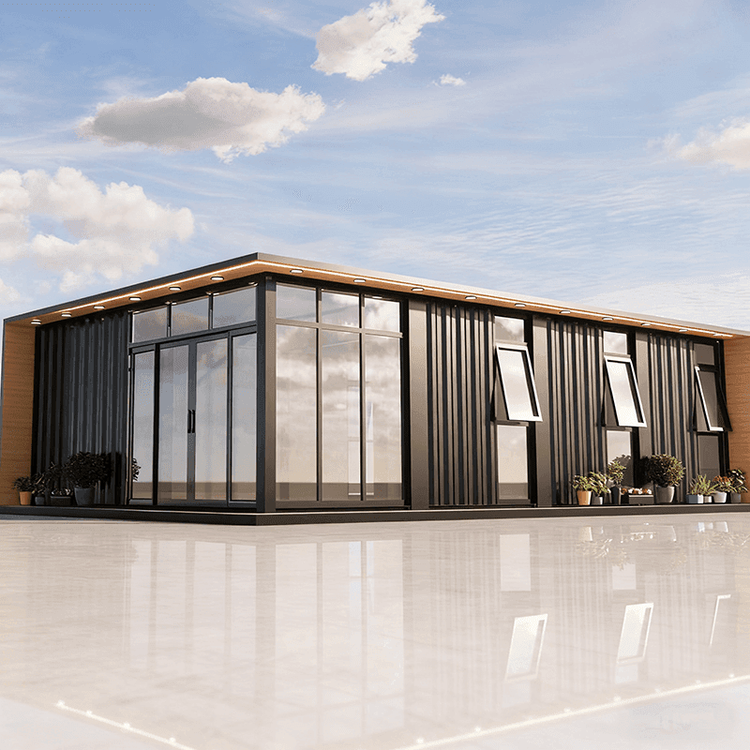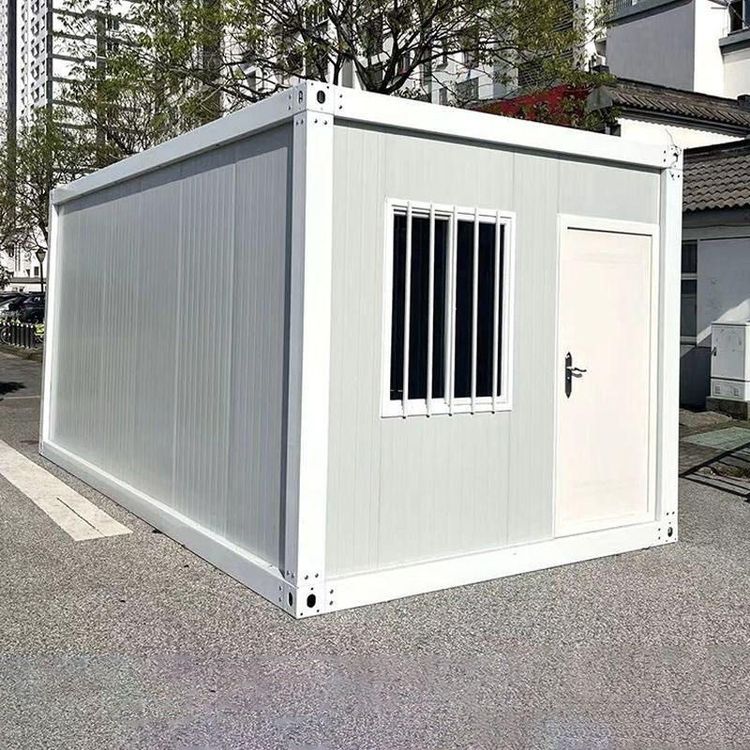
Changning Indoor Mobile Environmental Toilet
There are relevant facilities for environmentally friendly mobile toilets in Changning, but the specific name 'Changning Indoor Mobile Environmental Toilet' is not explicitly mentioned. These toilets are typically used as eco-friendly sanitation facilities in scenic spots or temporary venues.

Technical Types of Environmentally Friendly Mobile Toilets
The environmentally friendly mobile toilets potentially used in Changning cover a variety of technical solutions to meet different scenario requirements. Waterless flushing toilets process excrement through microbial degradation technology, requiring no water resources, and are suitable for areas with water scarcity or no drainage conditions, such as remote scenic spots or temporary construction sites. Foam-sealing toilets use foaming liquid to cover the surface of excrement, forming a sealed layer to block odors while reducing the amount of flushing water. They are suitable for scenarios with high hygiene requirements but limited water resources. Water-flushing toilets adopt the traditional flushing method but reduce water consumption by optimizing pipeline design or using water-saving devices, suitable for venues with a stable water supply, such as city parks or large-scale event sites.
Application Scenarios and Advantages
The core advantages of environmentally friendly mobile toilets lie in their flexibility and environmental friendliness. In construction site scenarios, temporarily installed water-flushing or waterless flushing toilets can quickly solve the toilet problems of construction workers, avoiding the hygiene hazards of traditional dry toilets. In scenic gardens, foam-sealing or waterless flushing toilets can reduce damage to the natural environment while integrating into the landscape through concealed design, enhancing the visitor experience. In addition, the modular structure of mobile toilets supports rapid disassembly, assembly, and transportation, allowing them to be adjusted according to event requirements or construction progress, reducing the construction costs of long-term fixed facilities.
Adaptability to Indoor Scenarios
If mobile environmental toilets are to be used indoors, ventilation design and odor control need to be prioritized. Waterless flushing toilets should be equipped with efficient exhaust systems to avoid the retention of gases generated during microbial degradation. Foam-sealing toilets require regular replenishment of foaming liquid to maintain the sealing effect. Water-flushing toilets need to ensure that the drainage pipes are isolated from the indoor environment to prevent backflow of odors. In addition, the size of indoor mobile toilets should be customized according to the spatial layout, usually adopting a compact design to save space while meeting ergonomic requirements.
Maintenance and Management Points
The long-term use of environmentally friendly mobile toilets relies on regular maintenance. Waterless flushing toilets require cleaning of the degradation tank and replenishment of microbial agents every 1-2 weeks. Foam-sealing toilets need daily inspection of the foaming liquid level and replenishment. Water-flushing toilets require weekly cleaning of the water tank and pipes to prevent scale blockage. For indoor scenarios, the frequency of disinfection also needs to be increased to ensure hygiene and safety, such as using chlorine-containing disinfectants to wipe surfaces or spray air purifiers.