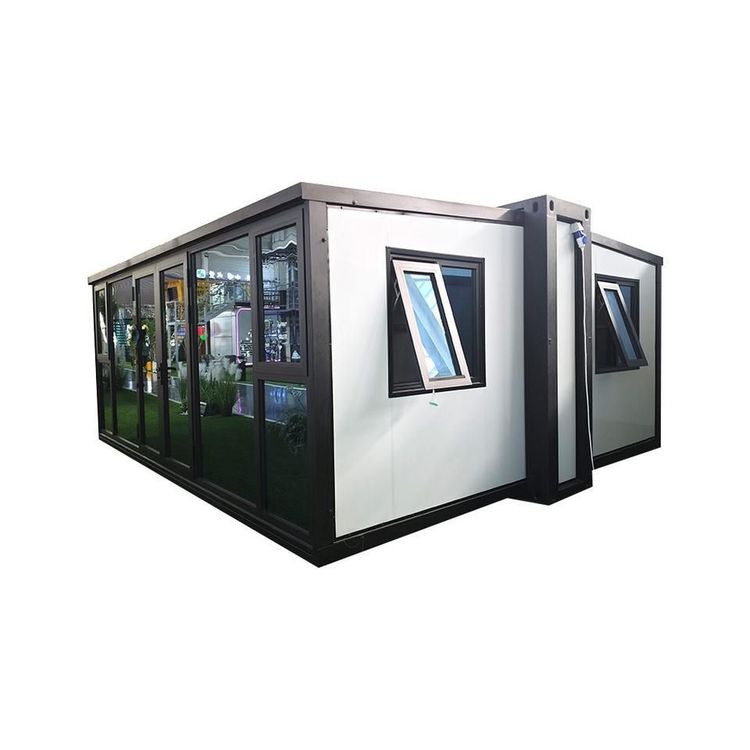
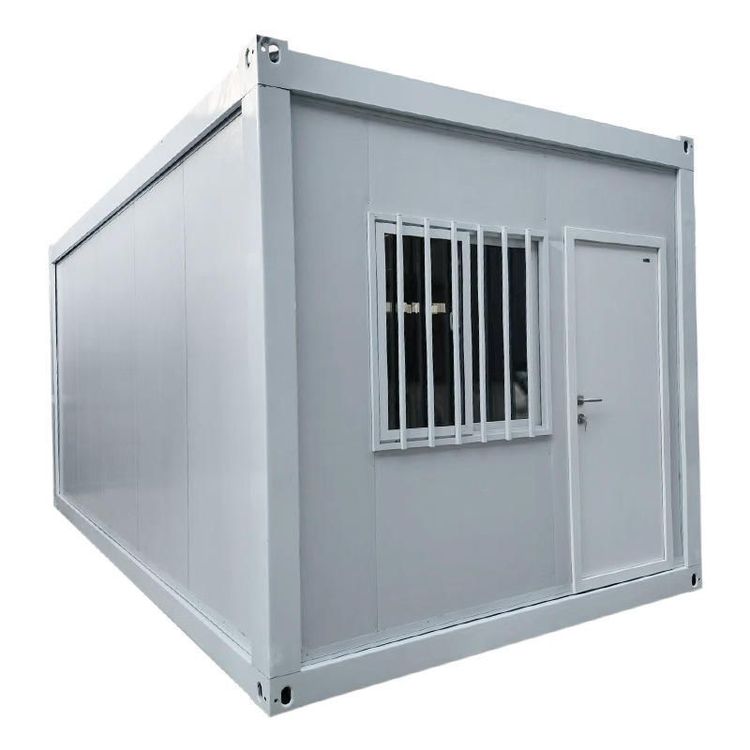
Cement Prefabricated Wall for House Partition
Cement prefabricated walls for house partitions are wall materials produced using prefabrication techniques for dividing interior spaces in buildings. They offer features such as easy installation and stable performance, with common types including slag concrete partition panels and cement lightweight partition panels.

1. Main Product Types and Suppliers
Xuzhou Cement Prefabricated Floor Panel Factory provides slag concrete partition panels, which are new environmentally friendly materials with a price range of 38.00 to 40.00 yuan per piece and a minimum order quantity of 100 pieces. These products use slag as aggregate combined with cement-based materials, offering both lightweight and eco-friendly properties.
Jiangsu Gangde Building Materials Co., Ltd. supplies cement lightweight partition panels, a type of lightweight partition panel with properties such as sound insulation, thermal insulation, high strength, and impact resistance. They are suitable for residential buildings, offices, workshops, and other settings. The material combines lightweight aggregate (such as expanded perlite) with cement, reducing self-weight while maintaining structural strength.
2. Product Forms and Performance Parameters
Cement prefabricated partition walls come in various forms in the market, with common shapes including rectangular, panel-like, and square forms, with sizes customizable according to needs. Their core performance parameter is compressive strength, typically reaching 10MPa to 20MPa, meeting the load-bearing and durability requirements of general building partitions. For example, cement lightweight partition panels achieve high strength while remaining lightweight through optimized aggregate ratios, allowing them to withstand a certain degree of external impact.
3. Material Selection and Construction Advantages
The key advantage of prefabricated partition panels lies in their quick installation. They adopt a factory-prefabricated, on-site assembly model, eliminating the need for on-site wet work (such as masonry or plastering), significantly shortening construction periods, and being particularly suitable for renovation scenarios requiring urgent occupancy (such as rapid hotel renovations or temporary office space setups). Additionally, prefabrication ensures consistent product quality and reduces on-site construction errors.
4. Usage Limitations and Precautions
Although prefabricated partition panels offer easy installation, it's important to note their high difficulty in modification. Since the panels are fixed with specialized connectors or adhesive materials, frequent modifications may cause structural damage or connector failure, making them more suitable for long-term fixed-use scenarios. Spatial layouts should be planned in advance during the design phase to avoid large-scale wall modifications due to functional adjustments later.
5. Expanded Application Scenarios
In addition to conventional partitions, cement prefabricated walls can also be used for non-load-bearing exterior walls or basement partitions, but selection should be based on specific product performance. For example, slag concrete partition panels, containing slag components, require verification of their durability for long-term exposure environments; cement lightweight partition panels need confirmation of their fire rating to meet building codes.