
Back to blog
Article
How About Cement Prefabricated Houses
Admin September 19, 2026
Cement prefabricated houses have both advantages and disadvantages, and the decision to choose one should be based on specific needs and scenarios.
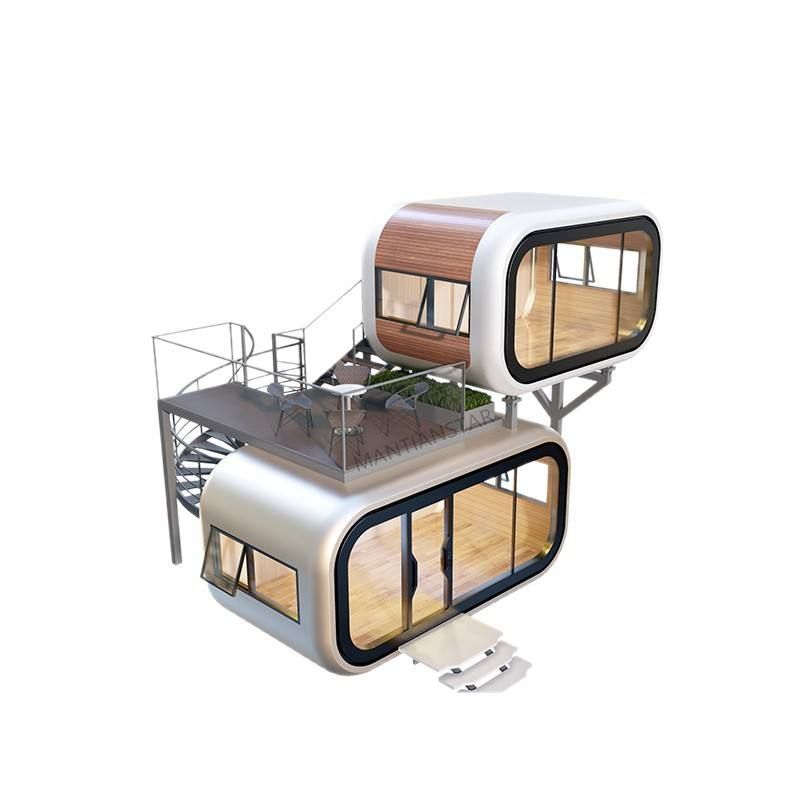
Advantages:
- Fast construction speed: The construction process is similar to building with blocks. After the prefabricated cement slab components are transported to the construction site, a few workers can complete the assembly of a villa in just four hours, and it takes only two days to build an entire building. For example, a 100-square-meter house can be assembled in one day, which is 90% faster than traditional construction methods. This truly enables the possibility of hoisting today and moving in tomorrow, significantly improving efficiency and greatly shortening the construction period compared to traditional methods.
- Low cost: The cost per square meter is only around 300 RMB. The cost of a large villa is just over 100,000 RMB, which is much lower than that of traditional brick-and-mortar houses. For a 100-square-meter house, it saves 60,000 RMB compared to a brick-and-mortar structure, and generates 90% less construction waste, greatly reducing the financial burden on rural families.
- Strong earthquake resistance: It can withstand a magnitude 9 earthquake and has good structural stability. After three years of use, the overall structural stability remains good, indicating strong durability and earthquake resistance of the house.
Disadvantages:
- Poor sound insulation and moisture resistance: The sound insulation and moisture resistance are inferior to those of ordinary brick houses. The probability of roof leakage in prefabricated houses is 30% higher than that of brick houses. After three years of use, during the rainy season or high-temperature seasons, small problems such as leakage and dampness may occur inside the house.
- Poor thermal insulation: Poor thermal insulation leads to a 20-30% increase in air conditioning electricity costs.
- Discrepancy between design life and actual life: The design life is 60 years, but major repairs are required after about 40 years of actual use.
- Inflexible design: The appearance is relatively monotonous, and the modular architectural design may lack flexibility, making it difficult to meet the diverse needs of everyone.
- Requires maintenance: The house requires regular maintenance and inspections to ensure its service life and safety.
If it is for temporary housing or in earthquake-prone areas, cement prefabricated houses can be a good choice; however, for long-term residence, especially in humid areas or for those who require a quiet environment, traditional brick houses are more reliable. If you plan to live in a cement prefabricated house for a long time, it is recommended to install sound insulation cotton and thermal insulation boards, and ensure proper waterproofing at the roof joints.



