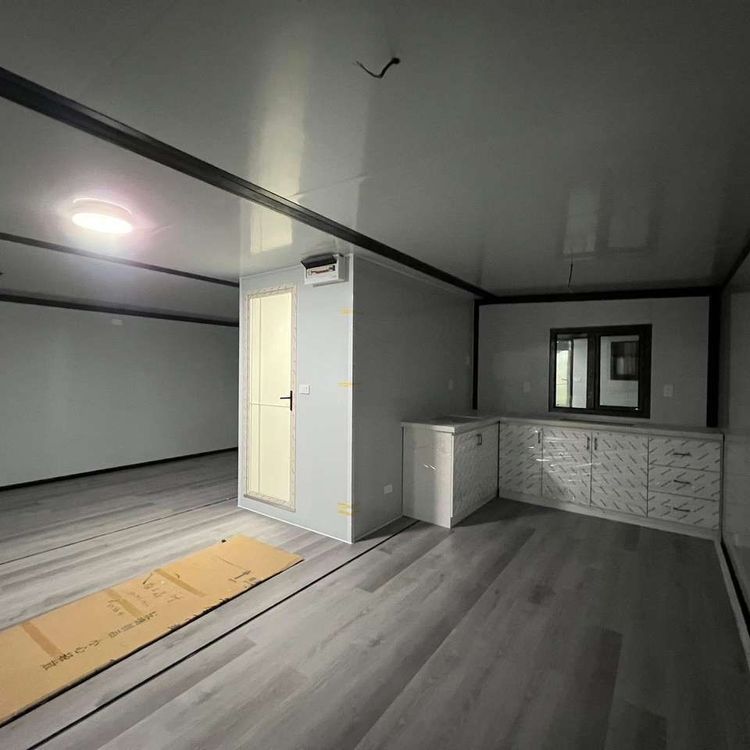
Introduction to Catering Container Houses
Catering container houses are modular mobile catering spaces formed by transforming, reinforcing, and decorating containers as the main structure. They have characteristics such as flexible combination, rapid deployment, environmental protection, and cost-effectiveness, making them suitable for temporary or long-term catering business scenarios.

1. Structural Performance and Safety
Catering container houses mostly adopt a full steel structure frame, providing high wind and earthquake resistance. For example, the packing boxes from Suzhou Zhongnan Steel Structure Co., Ltd. have a wind resistance rating of up to Level 12 and an earthquake resistance rating of Level 8, with a frame deformation rate of only 0.18%, far below the industry's qualified threshold of 0.3%. Some products further enhance safety through designs such as rounded edge treatments and high-strength welding processes, making them particularly suitable for long-term on-site stays or extreme weather conditions.
2. Functional Adaptability and Flexibility
The modular design of containers supports on-demand splicing and combination, allowing for rapid expansion into independent stores, pop-up shops, or multifunctional catering spaces. For example, in one case, eight containers formed a 240-square-meter store, covering storage, production, ordering, and a dining area with glass curtain walls, equipped with ventilation and heat recovery systems. The internal layout can be adjusted through partitions to meet different business needs and supports overall relocation, accommodating both temporary and long-term use.
3. Construction Efficiency and Cost Advantages
Prefabricated production and rapid on-site assembly significantly shorten the construction period. For example, the Suzhou Zhongnan Quick-Assembly Box can be installed in just 2 hours per unit, with a 240-square-meter store completed in nine days; the Qatar World Cup Fan Village project delivered 1,000 accommodation modules within three months using a "factory prefabrication + on-site quick assembly" model, reducing the average industry construction period by 40%. Additionally, container houses are recyclable, with higher material recovery value during demolition compared to prefabricated panel houses, resulting in lower long-term usage costs.
4. Application Scenarios and Cases
Catering container houses have been widely applied in scenic spots, commercial streets, community squares, and other scenarios. For example, the floating container restaurant in Warsaw Harbor combines with the water environment to create an open and shared community space; a container café in Shanghai achieves an industrial-style visual effect through overlapping and interspersed designs. Furthermore, they can be extended into diverse formats such as cafes and event spaces, supporting rental or brand pop-up activities.