The Ultimate Guide to Portable Toilet Partition
Currently, there is no complete 'Ultimate Guide to Portable Toilet Partition,' but the following key information can help comprehensively understand its core aspects such as design, materials, installation, privacy, and cost:
Design and Configuration Flexibility
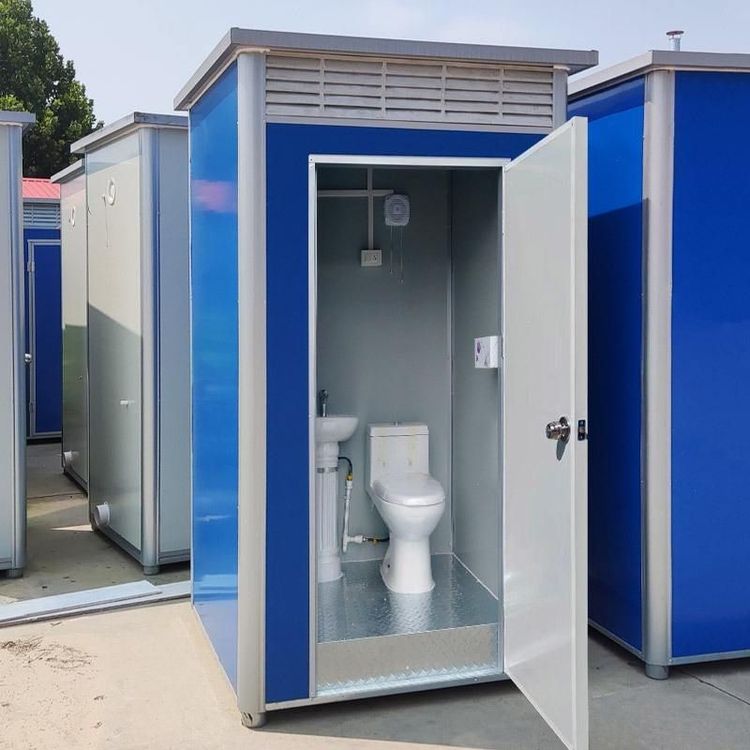
The core advantage of portable toilet partitions lies in their adaptability to various scenarios. They offer modular configurations that allow adjustments in the number and arrangement of partitions based on spatial layout, such as linear, L-shaped, or circular layouts. Material choices include high-density fiberboard (HDF), stainless steel, plastic, and tempered glass, each catering to different durability needs: HDF is suitable for high-traffic public areas, stainless steel offers strong corrosion resistance, and plastic is lightweight and easy to transport. Door designs include swing doors, sliding doors, and folding doors, with some high-end models equipped with automatic closing mechanisms to enhance hygiene. Hardware options include corrosion-resistant hinges, concealed screws, and adjustable feet to ensure installation stability.
Materials and Durability
Material performance directly affects the lifespan of partitions. HDF, with its high density and moisture resistance, is a mainstream choice, often coated with a wear-resistant layer to resist scratches and stains. Stainless steel partitions are impact-resistant and easy to clean but come at a higher cost; plastic partitions, while lightweight, are prone to deformation over time and are mostly used for temporary events. Waterproofing is crucial, with all materials required to pass spray tests to ensure they do not mold or swell in humid environments. Some manufacturers offer antibacterial coating options to further reduce the risk of cross-infection.
Installation and Adaptability
Modular design significantly improves installation efficiency, with standard partition units assembled in as little as 2 hours without the need for specialized tools. Adjustable feet compensate for uneven floors, ensuring partition verticality; wall-mounting systems support various substrates, including concrete, brick, and light steel framing. For temporary scenarios, such as music festivals or construction sites, partitions can feature quick-release structures, achieving a reuse rate of up to 90% and significantly reducing costs.
Privacy and Safety Features
Privacy protection is a core requirement. Full-height partitions (height ≥ 2000mm) paired with locking systems (such as mechanical or electronic code locks) meet high privacy standards for commercial venues; half-height partitions (height ≤ 1500mm) are suitable for open spaces, balancing ventilation and line-of-sight obstruction. Some models are equipped with acoustic insulation layers to reduce toilet noise interference. Safety features include rounded edges to prevent bumps and fire-resistant materials compliant with ASTM E84 standards to ensure safety in emergencies.
Cost and Additional Services
Prices are significantly influenced by materials, configurations, and services. A basic HDF partition (including standard doors and hardware) costs approximately $2,000-$5,000; high-end stainless steel models (with automatic doors and antibacterial coatings) can reach $10,000-$18,000. Turnkey services (including transportation, installation, and warranty) typically account for 15%-20% of the total cost but can avoid post-maintenance disputes. For technical documentation, manufacturers provide 3D models, load test reports, and maintenance manuals to assist in project decision-making.