Cantonese Introduction to Mobile Toilets
In Cantonese, mobile toilets can be referred to as “可以移动嘅厕所 (kei4 ji5 tung4 dik6 ci3 so2)” or “临时设置嘅洗手间 (lam4 si4 kit3 zik6 dik6 sai2 sau2 gaan1)”, emphasizing their flexibility and temporary nature.

I. Common Types and Suitable Scenarios Mobile toilets in the Guangdong region are mainly classified into standalone, towable, eco-friendly, and barrier-free types. Standalone units have an independent structure suitable for scattered placement; towable units can be connected to vehicles for easy and rapid relocation; eco-friendly units utilize biodegradation technology to reduce sewage discharge; barrier-free units are specifically designed for individuals with disabilities, equipped with handrails and low-level washbasins. Their core advantage lies in the ability to achieve rapid deployment through vehicle transportation, making them particularly suitable for scenarios where fixed toilets are insufficient, such as parks, construction sites, and squares. For example, during holidays when visitor numbers surge in parks or at large-scale celebrations, mobile toilets can effectively alleviate long queues for restroom use and enhance the service efficiency of public spaces.
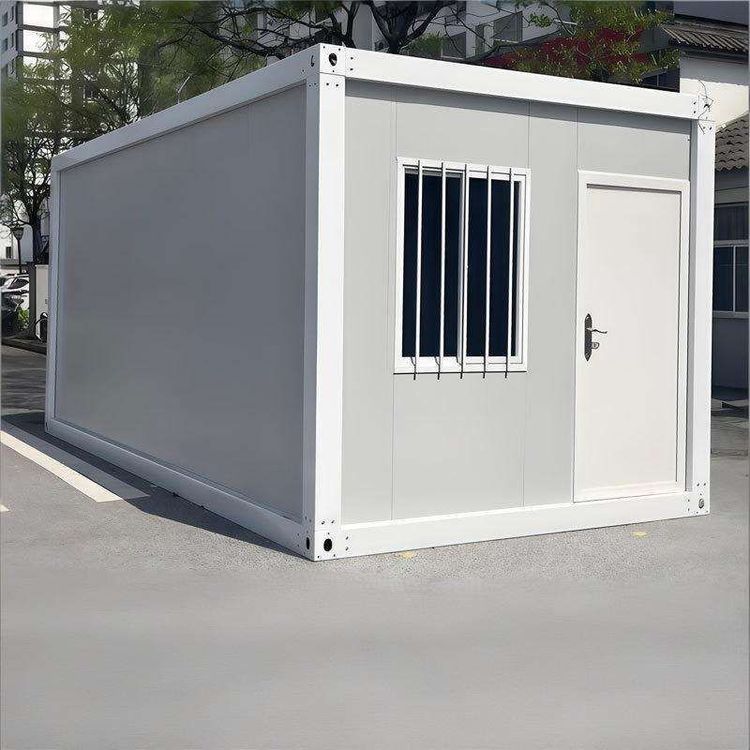
II. Structural and Facility Features The main structure of mobile toilets often employs lightweight metal materials, such as steel or aluminum alloy, to reduce self-weight and enhance durability; walls are commonly made of fiberglass or color-coated steel sheets, providing both waterproofing and thermal insulation. Basic internal facilities include sit-down/squat toilets, flushing systems, ventilation fans, and lighting equipment. Some eco-friendly models are also equipped with biodegradation treatment devices that decompose waste through microorganisms, reducing reliance on traditional sewage systems. Additionally, their modular design supports “combinable” features, allowing multiple units to be joined together according to demand to form temporary toilet clusters, further expanding service capacity.
III. Core Advantages and Environmental Value The “movable, combinable, and easy-to-transport” characteristics of mobile toilets result in a significantly smaller footprint compared to traditional fixed toilets, making them particularly suitable for urban areas with limited land resources or temporary event venues. Their environmental value is reflected in two aspects: first, by reducing sewage discharge through biodegradation technology, they alleviate pressure on municipal sewage networks; second, the use of lightweight materials and modular design shortens construction cycles and reduces resource consumption during the construction process. For instance, on construction sites, mobile toilets can be relocated along with the progress of the project, avoiding waste caused by repeated construction and aligning with the principles of green construction.