Design of Mobile Toilets in Cangzhou Scenic Areas
The design of mobile toilets in Cangzhou scenic areas requires comprehensive consideration of various factors, including tourist needs, the characteristics of the scenic environment, environmental protection requirements, and user experience. The following provides an introduction from five aspects: design essentials, customized innovation, environmental sustainability, user experience optimization, and product references:

Design Essentials:
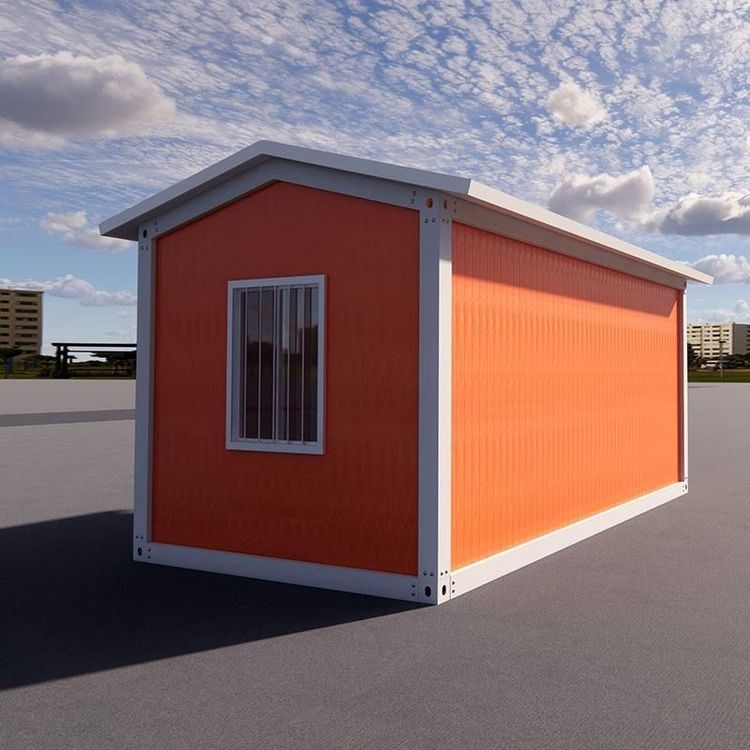
It is essential to meet the basic toilet needs of tourists. The number and distribution of toilets should be scientifically calculated in areas with high tourist traffic to avoid queuing. Cleanliness and hygiene are core considerations, with the interior equipped with efficient flushing systems, non-slip floors, and ventilation facilities to ensure no lingering odors. Additionally, considering the needs of different tourist groups, barrier-free facilities such as widened door frames, handrails, and dedicated spaces should be provided. The materials chosen should be corrosion-resistant, rust-proof, and moisture-proof metals or composites to adapt to the variable outdoor climate and the high humidity conditions in some areas of Cangzhou. The structure should adopt a modular design for easy transportation and rapid installation, minimizing disruption to the scenic environment.
Customized Innovation:
In terms of appearance, in natural scenic areas, the design can mimic the colors of local vegetation or landforms, using wooden textures or stone effects for decoration. For cultural and historical scenic areas, traditional elements can be incorporated into the toilet architecture, such as antique eaves and carved patterns. Functionally, some scenic areas combine toilets with rest areas, adding seating, drinking water facilities, and sunshades. Environmentally conscious scenic areas introduce solar power systems for lighting and ventilation, and some customized solutions include rainwater collection devices to treat and reuse rainwater for flushing.
Environmental Sustainability:
Water-saving technologies such as vacuum flushing systems or foam sealing techniques should be adopted to reduce the volume of water used per flush. In areas where conditions permit, small-scale biochemical treatment facilities can be established to purify sewage for use in green irrigation. Classified trash bins should be placed inside the toilets, and biodegradable cleaning agents should be used for maintenance.
User Experience Optimization:
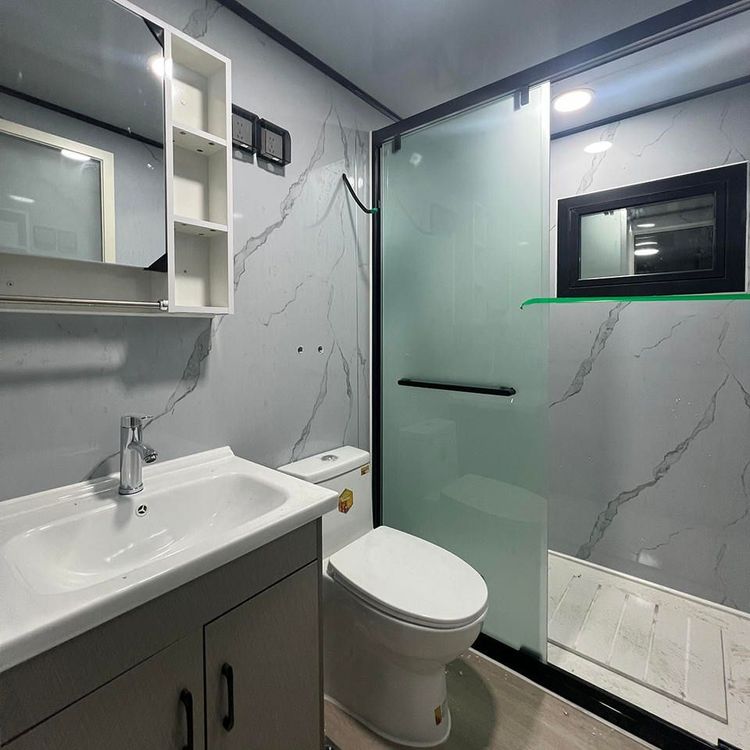
The interior space layout should be reasonable, ensuring that the toilet, handwashing, and grooming areas do not interfere with each other. The handwashing station should be equipped with sensor-activated faucets and soap dispensers, with mirrors and hooks and other small accessories being sturdy and durable. For family tourists, parent-child toilets should be provided, including child-sized toilets and changing tables. The lighting design should be thoughtful to ensure safety during nighttime use.
Product References:
The municipal mobile public toilet products of Cangzhou Hengtai Environmental Sanitation Equipment Co., Ltd. feature a steel frame structure for strong wind and earthquake resistance and a long service life. The exterior walls are made of metal carved composite insulation panels, which are heat-insulating, fire-resistant, and available in a variety of colors. The products of Cangzhou Zhoumei Environmental Sanitation Equipment Co., Ltd. are made of sturdy and durable materials with good sound insulation, diverse sewage discharge methods, and excellent ventilation and insect prevention designs.