Canada Container Farm House
There are container house products suitable for farms in Canada, but they need to meet regulatory requirements and consider actual costs.
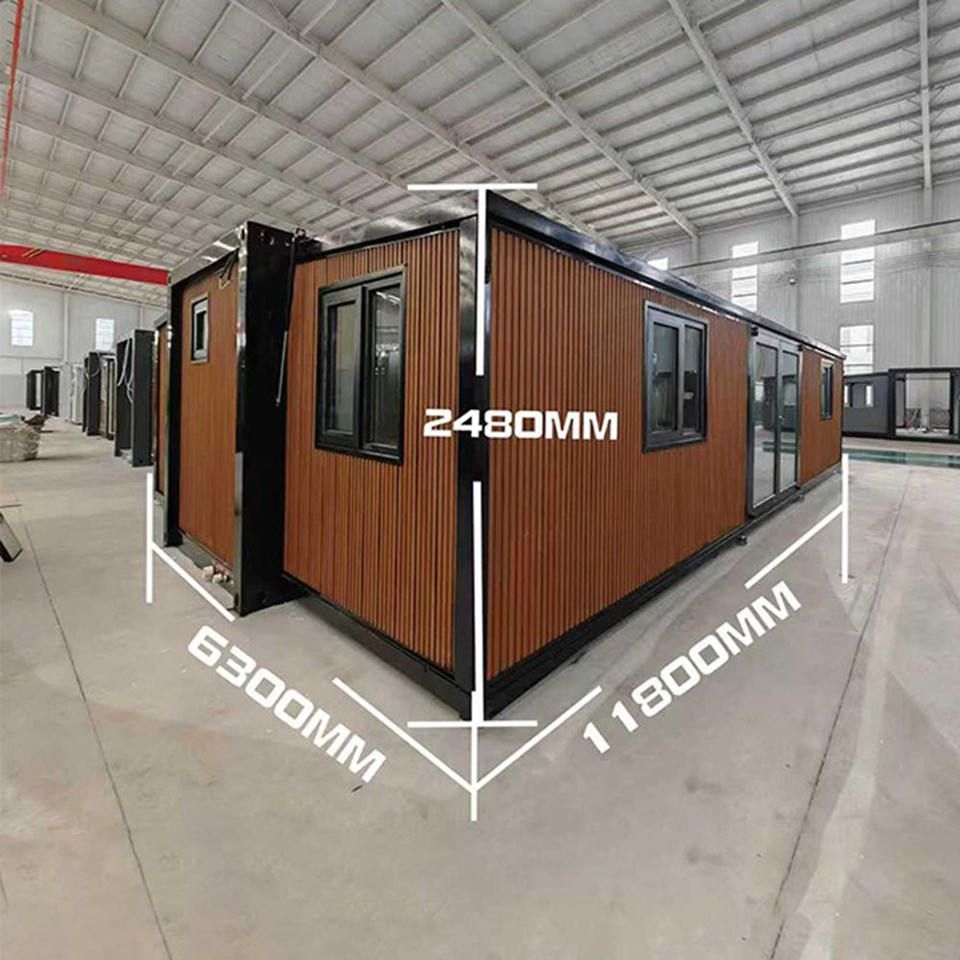
From the perspective of product supply, there are relevant container house products for farms in the Canadian market. Some suppliers offer "demountable container houses for ranches and farms in Australia, Canada, and New Zealand" with a minimum order quantity of 1 set. This indicates that in Canada, farmers can find container houses specifically designed for ranch and farm scenarios. These houses are demountable, making it convenient to move and adjust the layout according to the actual needs of the farm.
MEKAWORLD uses ISO containers to transform into prefabricated houses, and its products adopt a modular design. The modular design allows the houses to be flexibly combined and expanded according to the scale and functional requirements of the farm. For example, the farm can add or reduce house modules according to different seasons or business development stages to meet different purposes such as personnel accommodation and material storage. Moreover, these houses are mobile, which is a great advantage for farms that need to frequently change locations or have unstable land lease terms.
However, using containers as farm houses in Canada is not without challenges, and there are some issues that need attention. Regarding land property rights, farmers need to ensure that the land on which the container houses are used has legal property rights or long-term stable lease rights. Otherwise, they may face situations where the houses are demolished or cannot be used normally. Long-term lease costs: If the land is leased, long-term lease costs may increase farm operating costs and need to be comprehensively considered when planning the use of container houses. Building code approval: Container houses need to comply with local building codes and pass inspections in terms of fire protection, structure, insulation, etc.. These approval processes may require additional time and money, and farmers need to make plans and budgets in advance.