
Can Prefabricated Houses Be Used for Heat Exchange Stations?
Prefabricated houses can be used for heat exchange stations. Here is a detailed analysis:
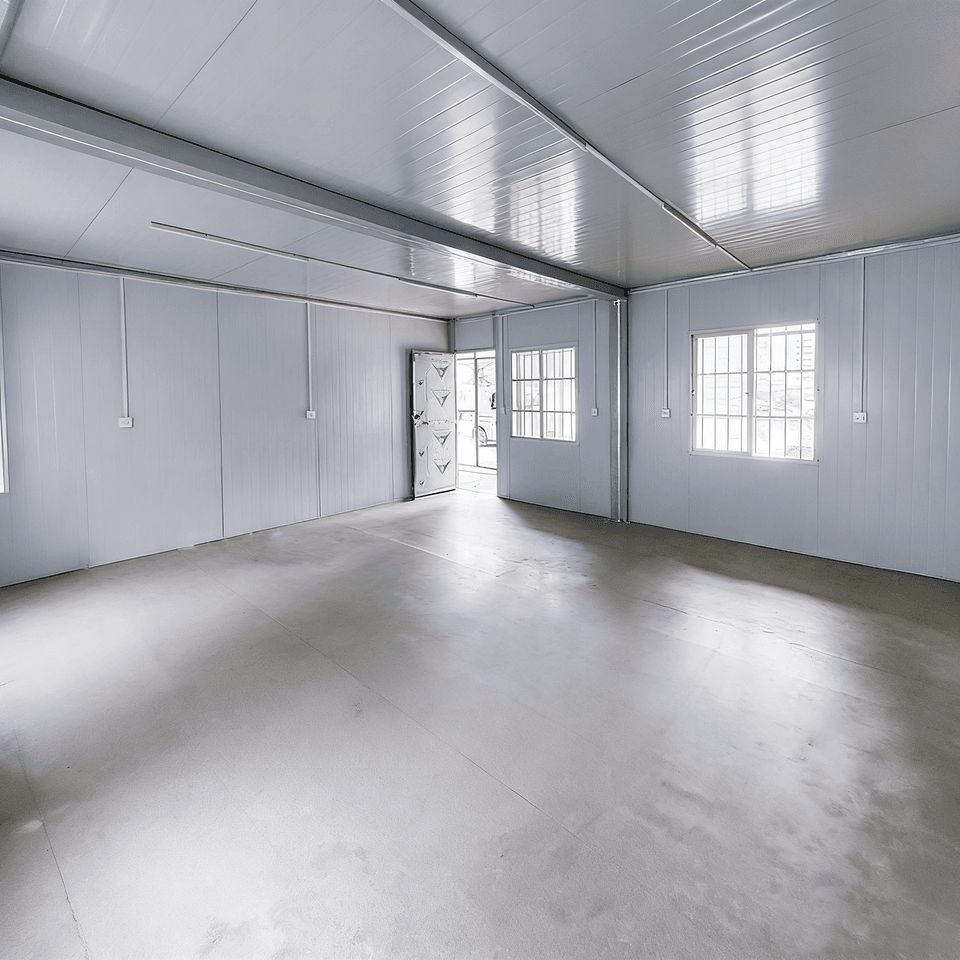
As a typical form of prefabricated houses, prefabricated cabins have many advantages that make them well-suited for heat exchange station construction. In terms of construction efficiency, prefabricated cabins feature modular and standardized, factory-prefabricated characteristics. Their structures, dimensions, and internal layouts all adhere to strict design standards, allowing the main structure construction, internal equipment installation, and most of the debugging work to be completed in the factory. Afterward, they are transported as a whole to the site for rapid connection and installation, significantly shortening the construction cycle. Compared to traditional construction methods, this enables heat exchange stations to be put into operation more quickly to meet heating demands.
In terms of flexibility and scalability, prefabricated houses also perform excellently. When project requirements change, such as an expansion or reduction in heating scale or the need to relocate the site, heat exchange stations in the form of prefabricated houses can be hoisted and transported as a whole for reuse, avoiding the hassle and waste of demolishing and rebuilding traditional buildings and reducing construction costs.
In terms of performance, modern prefabricated houses have good sealing, insulation, heat insulation, fire prevention, and corrosion resistance properties. These properties enable them to adapt to harsh outdoor environmental conditions, providing a stable operating environment for the equipment inside the heat exchange station, ensuring the normal operation of the equipment, reducing equipment failures and damage caused by environmental factors, and extending the service life of the equipment.
However, there are also some considerations when using prefabricated houses for heat exchange stations. It is essential to ensure that the prefabricated houses meet the construction standards for heat exchange stations, such as having adequate water and power supply loads, complete drainage facilities to prevent water accumulation during operation, good ventilation and lighting conditions to provide a comfortable working environment for staff and facilitate equipment heat dissipation, sound insulation measures to reduce the impact of equipment noise on the surrounding environment, convenient transportation channels for equipment transportation and maintenance, and lighting facilities to meet nighttime operation requirements.



