
Can Mobile Toilets Be Used on Mountains?
Mobile toilets can be used on mountains, but the appropriate type should be selected based on specific environmental conditions.
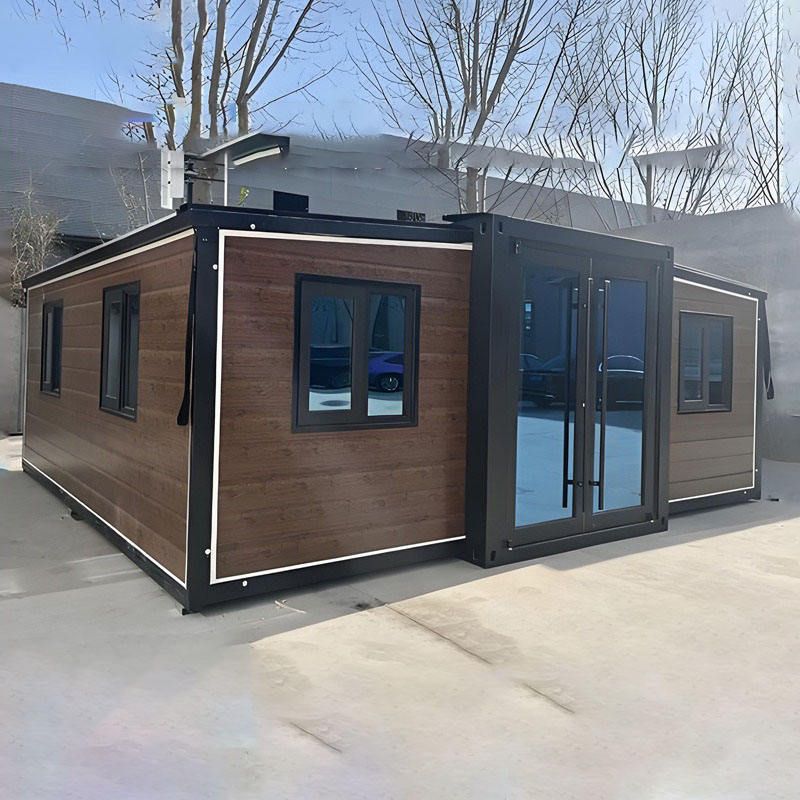
The compact size and high mobility of mobile restrooms make them particularly suitable for mountainous areas, tourist attractions with poor transportation, or complex terrains. For example, Mount Hua and forest scenic spots around Zhengzhou have adopted mobile toilets to address the difficulties in constructing traditional toilets.
For mountainous environments without electricity or water sources, some mobile toilets have unique adaptability. Waterless packing mobile toilets collect feces through special packing devices without the need for water flushing, thus avoiding the issue of water shortage. Fiberglass integrated mobile toilets feature an integrated design with a compact structure and come with a simple treatment method, meeting basic usage requirements.
Biodegradable mobile toilets are one of the preferred choices for mountainous scenarios. Their core technology combines microbial degradation bacteria with a stirring system, allowing feces to be directly decomposed into water and carbon dioxide within the tank, achieving zero pollution discharge and no odor. These toilets do not require feces pumping or connection to municipal sewage networks, effectively alleviating the problem of no sewage pipes in mountains. They are highly suitable for deep mountain scenic spots, hiking stations, high-altitude camping sites, etc., and have extremely low maintenance costs.
Solar-powered mobile public toilets are also suitable for use in mountainous areas and can well adapt to the complex mountain environment. Most mountainous areas lack power supply and sewage networks, while solar-powered mobile public toilets do not require external power sources or networks. They rely on solar energy for independent power supply, and their integrated sewage treatment systems can solve the problem of sewage discharge. Their main structures are sturdy, with the ability to withstand wind, rain, and aging, enabling them to resist harsh mountain weather. They are flexible to transport and can be moved to designated locations using cranes, forklifts, and other equipment without complex construction and easy installation. Their water storage tanks have sufficient capacity to meet the long-term usage needs of mountain personnel without frequent water replenishment. In addition, the abundant sunlight in mountainous areas allows photovoltaic panels to fully absorb sunlight for power generation, ensuring stable equipment operation.
You may also like

Portable Toilet Specifications Size & Area Guide: Finding the Right Fit
Read More
Top Portable Toilet Custom Manufacturers: How to Choose a Factory Partner
Read More
Portable Toilet Reviewed: Best Picks & Tips
Read More