Back to blog
Article
Can Container Houses Be Lived In During Winter?
Admin September 17, 2026
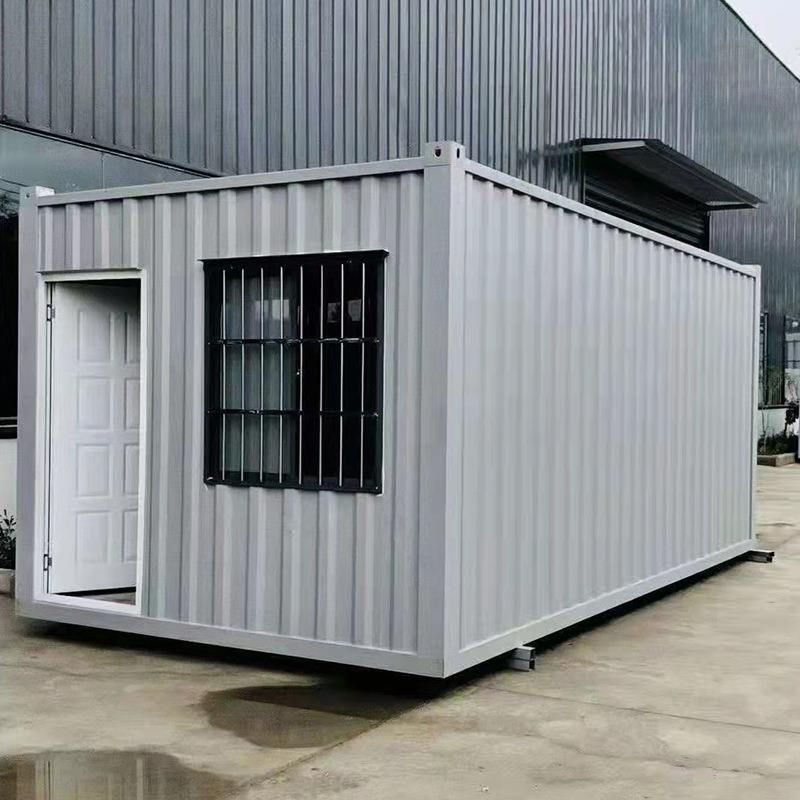
Container houses can be lived in during winter, but they need to meet various conditions such as thermal insulation, heating, and safety. Specific optimizations are required in the following aspects:
I. Enhancing Thermal Insulation Performance is Key
The thermal insulation effect of container houses directly impacts winter living comfort and requires dual optimization through material selection and structural design.
- Application of Thermal Insulation Materials: Prioritize materials with low thermal conductivity, such as expanded polystyrene (EPS) boards, polyurethane foam (PU) boards, and rock wool boards. Among them, polyurethane foam boards have a high closed-cell ratio and offer the best thermal insulation performance; rock wool boards combine fire resistance and sound insulation functions, making them suitable for scenarios with high safety requirements.
- Construction of Thermal Insulation Layers: External thermal insulation layers (e.g., metal sandwich panels covered with polyurethane) or internal thermal insulation boards (e.g., gypsum boards lined with EPS) can be used to form a continuous thermal insulation barrier. Attention should be paid to the firm combination of the thermal insulation layer with the container structure to avoid thermal bridge effects.
- Optimization of Door and Window Seals: Use double- or triple-glazed windows with a glass spacing of no less than 12mm and install seals (e.g., ethylene propylene diene monomer rubber strips) to reduce air infiltration. The gaps between window frames and walls should be filled with expanding foam.
- Detail Handling: Sealant or special seals should be used to treat air-leakage-prone areas such as container joints and corner connections; a gutter can be added at the junction of the roof and walls to prevent rainwater infiltration from affecting the performance of the thermal insulation layer.
II. Wall Panel Thickness Should Match Climate Conditions
The thermal insulation capabilities of wall panels with different thicknesses vary significantly, and the choice should be based on the minimum winter temperature:
- Mild Cold Range (0°C to 5°C): 50mm, 75mm, and 150mm wall panels can all meet basic living needs, but the 150mm wall panel results in smaller indoor temperature fluctuations and higher comfort.
- Severe Cold Range (-5°C to -10°C): The 50mm wall panel is only suitable for short-term storage of materials; the 75mm wall panel requires heating equipment (such as air conditioners or underfloor heating) for long-term occupancy; the 150mm wall panel can maintain an indoor temperature above 10°C relying on its own thermal insulation performance.
- Extreme Cold Range (-20°C to -30°C): The 50mm wall panel is completely unsuitable for living; the 75mm wall panel requires high-power underfloor heating (with a power of no less than 3kW per room) and full-house sealing modifications; the 150mm wall panel, combined with an underfloor heating system (with a power of no less than 2kW per room) and a fresh air and moisture-proof device, can stably maintain a comfortable temperature of 18°C to 22°C.
III. Dual Guarantee of Heating and Safety is Required
- Selection of Heating Methods: Conventional large-corrugated iron rock wool sandwich panel container houses can be heated by air conditioners, underfloor heating, or traditional stoves. Among them, underfloor heating has the highest thermal efficiency but requires pre-laid pipes; air conditioners are easy to install but consume more energy; stoves require dedicated chimneys and good ventilation to avoid carbon monoxide poisoning.
- Compliance with Safety Regulations: The use of open flames (such as charcoal braziers) is prohibited inside container houses; high-power electrical appliances (such as electric heaters) should be wired separately to avoid circuit overloading; cigarette butts must be completely extinguished before disposal; at least 15 minutes of window ventilation per day is required to prevent carbon dioxide accumulation.
Related