Can Container Houses Be Lived In?
Container houses can be lived in, but the living experience is significantly affected by design, configuration, and the environment. Long-term residence requires meeting specific conditions.

Feasibility of Short-Term Residence
Container houses were initially used for temporary resettlement (such as earthquake relief). Their structural safety can meet basic living needs. For example, the container houses used in the Nagoya Asian Games passed the inspection of the Olympic Council of Asia. They were equipped with independent toilets, refrigerators, washing machines, and air conditioners, meeting the official standards of being "safe, hygienic, and meeting basic rest requirements." However, in such scenarios, there are obvious shortcomings in the living experience:
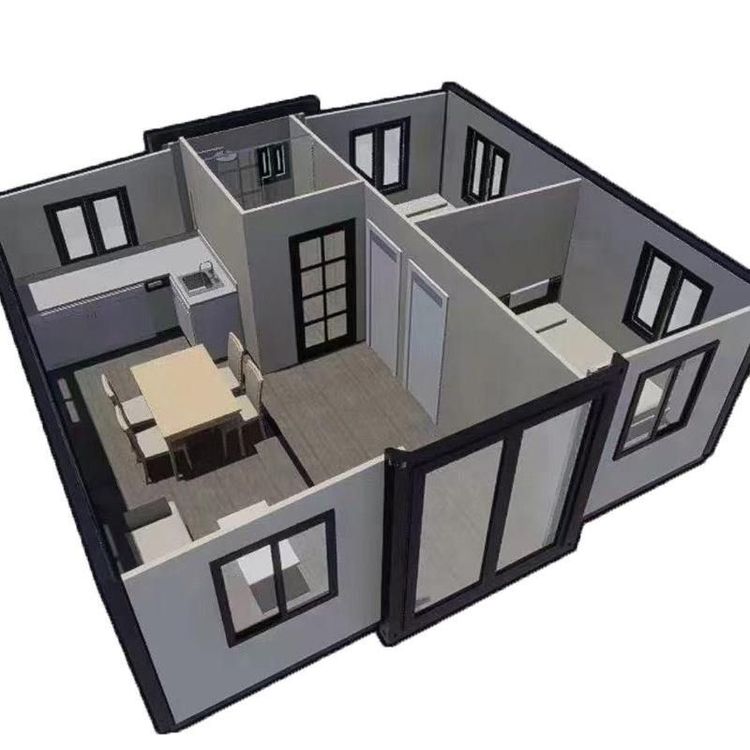
- Cramped Space: The interior height of a standard container is about 2.2 - 2.4 meters. The limited ceiling height causes a sense of oppression. A single bed is 195 centimeters long and 90 centimeters wide. Athletes taller than 2 meters have to curl up to sleep. The aisle in a double-bed room is narrow, and two people need to squeeze past each other.
- Inadequate Environmental Control: Metal materials are prone to heat conduction, and the strong airtightness leads to stuffiness. The container houses in the Nagoya Asian Games were only equipped with one air conditioner. The organizing committee suggested opening the door to dissipate heat before going to bed, exposing the ventilation design flaws.
- Simple Functional Facilities: Problems such as leaking sinks and waterlogged floors occur frequently. In extreme weather conditions (such as heavy rain), there is even water backflow, affecting living safety.
Conditions for Long-Term Residence
If used for long-term residence, the following problems need to be solved through renovation:
- Structural Optimization: Adopt a full-steel structural frame (such as the packing-box units from Suzhou Zhongnan, which can withstand wind of level 12 and earthquakes of level 8) and add insulation layers and ventilation systems to improve environmental adaptability.
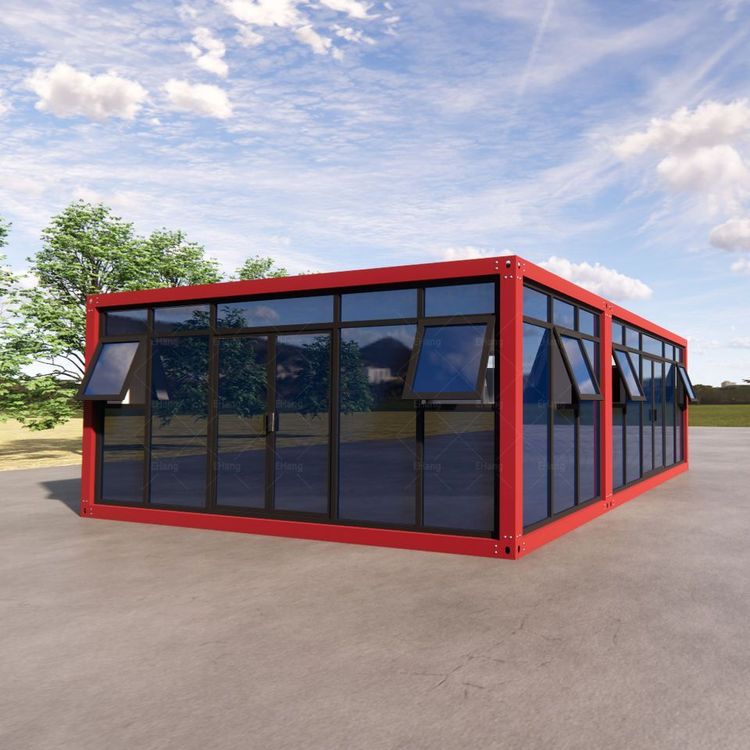
- Space Design: Expand the usable area through modular combinations, reasonably plan the water and electricity lines, and equip with multi-functional furniture to make up for the width limitations.
- Maintenance and Upkeep: Regular rust prevention treatment, painting, and structural inspections can extend the service life to more than 25 years. In humid or high-salt areas, anti-corrosion materials need to be used.
Applicable Scenarios and Limitations
Container houses are more suitable for temporary office work, event support, or low-cost housing needs. However, as a long-term living solution, the pros and cons need to be weighed:
- Advantages: The cost is lower than that of traditional houses. They can be built quickly and are movable, suitable for scenarios with limited land resources or emergencies.
- Limitations: The living comfort depends on the investment in renovation. Energy consumption is high in extreme climates. The case of the Nagoya Asian Games shows that low-cost solutions may cause controversy, and a balance needs to be struck between economy and humanization.