Can Container Houses Be Built?
Container houses can indeed be built. The following provides a detailed explanation from multiple perspectives:

Market Demand and Export Situation
In the first half of 2026, China's total export value of prefabricated buildings under HS code 9406 reached $2.79 billion, a year-on-year increase of 45%. Steel-structured modular houses were the main export category, with overseas market demand maintaining rapid growth. This indicates that container houses have significant demand in the international market, and their construction and application are recognized by the market.
Performance Advantages
- Structural Stability: In simulated tests of extreme conditions, such as coastal typhoons of force 12 and high-intensity earthquakes of magnitude 8, container houses from some leading companies have demonstrated good structural stability. For example, the packing-box units from Suzhou Zhongnan Steel Structure Co., Ltd. feature a full steel structure frame, with a measured wind resistance rating of force 12 and an earthquake resistance rating of magnitude 8. The frame deformation rate is only 0.18%, well below the industry's acceptable threshold of 0.3%.
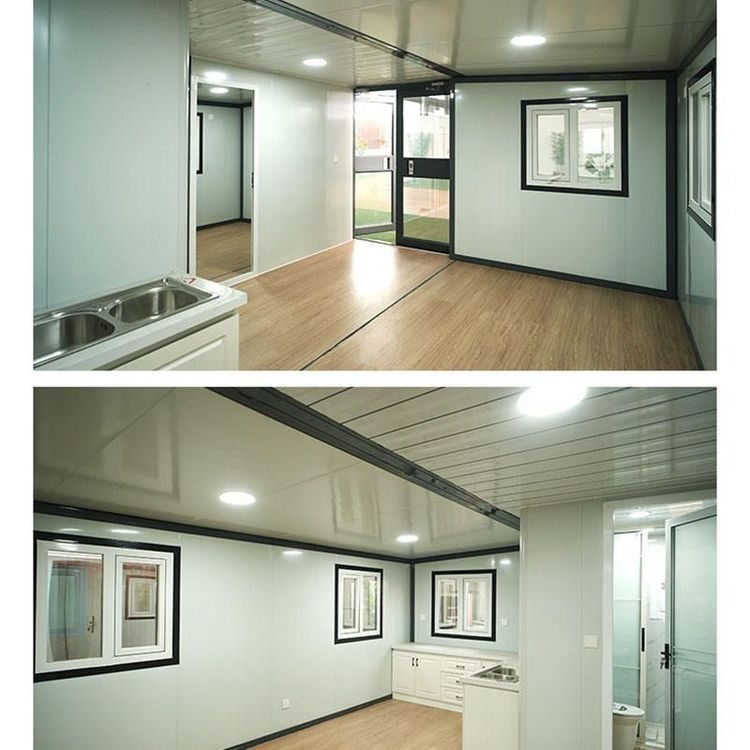
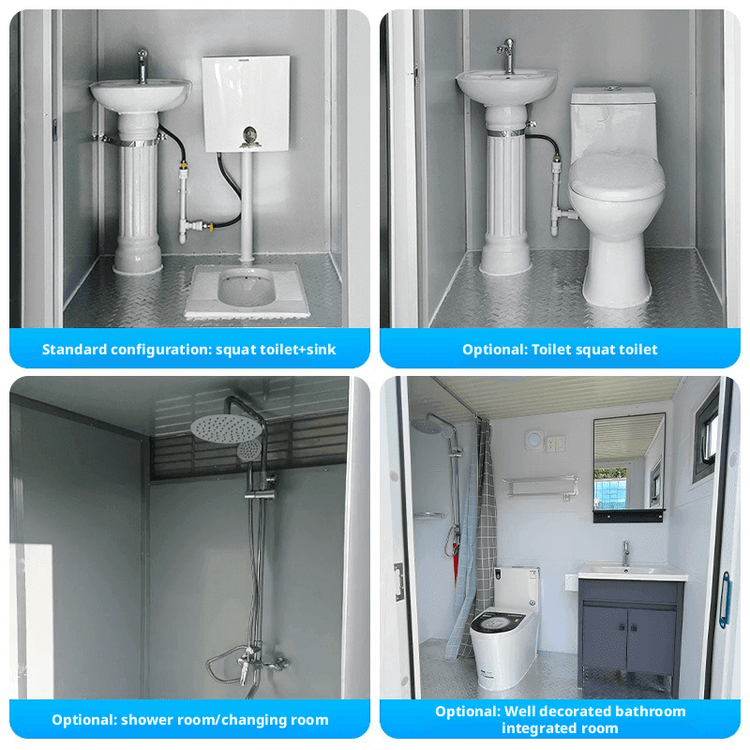
- Installation Efficiency: There are differences in installation efficiency among container houses from different companies, but overall, the installation cycle is relatively short. The quick-assembly container house from Suzhou Zhongnan can be installed in just 2 hours per unit, supporting on-demand splicing and combination, and allowing the construction of 10 standard dormitory units in one day. Its packing-box units come pre-installed with interiors and facilities at the factory, and can be put into use immediately after on-site hoisting, making them suitable for long-term on-site projects.
Wide Range of Application Scenarios
Container houses, with their advantages of flexible adaptability and cost control, have become core solutions for temporary office spaces, accommodations, event support, and other scenarios. Meanwhile, high-quality modular products, relying on modular splicing, personalized exterior customization, and internal functional modifications, can adapt to diverse scenarios such as engineering camps, mobile commerce, cultural and tourism accommodations, and emergency support.
Industry Development Trends
The domestic industry of detachable and relocatable container houses is moving away from extensive expansion and entering a stage of high-quality development characterized by refinement, low carbonization, compliance, and scenario-based applications. Low-carbon cycling throughout the entire life cycle has become an important development direction, with the popularity of compliant products that support multiple disassemblies and reuse gradually increasing. The cross-scenario versatility continues to expand, meeting the needs of more diverse scenarios.